What Happens If You Want to Sell Your Colombia Property Later?

What Happens If You Want to Sell Your Colombia Property Later?
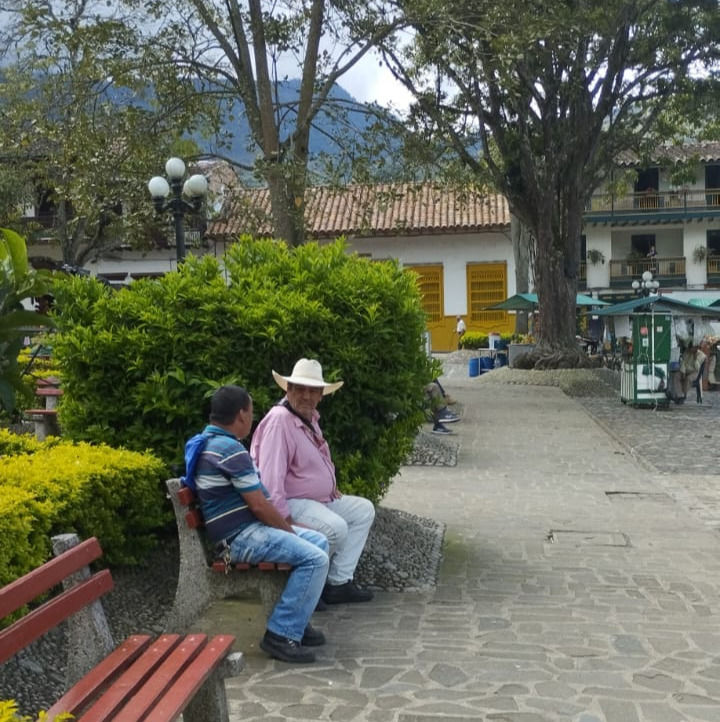
Investing in real estate across Colombia has become an increasingly popular route for global buyers, lifestyle seekers, and eco-conscious investors. The lush mountain landscapes, vibrant towns like Jerico and Jardin, resilient agricultural heritage, and strong property values draw people from around the globe. While the purchasing process in South America receives plenty of attention, a critical aspect of any successful real estate strategy is understanding what happens when you decide to transition out of your investment.
Whether you purchase a charming coffee finca in Antioquia, a suburban estate, or rural land for development, knowing how to navigate the eventual sale is paramount. Selling real estate in South America involves distinct legal processes, tax structures, currency repatriation protocols, and market dynamics. Having a clear blueprint from day one ensures that your capital remains secure, compliant with national authorities, and positioned for optimal profitability. What Happens If You Want to Sell Your Colombia Property Later?
1. Establishing the Foundation: Title Integrity and Ownership Models
When you prepare to list real estate in Colombia, potential buyers and legal advisers will scrutinize your property title and legal standing. Ensuring your documentation is immaculate well before placing your listing on the market is the single most effective way to avoid delays and maximize your market positioning.
Certificate of Tradition and Freedom (Certificado de Tradicion y Libertad)
The cornerstone of any real estate transaction in Colombia is the Certificado de Tradicion y Libertad. Issued by the Superintendencia de Notariado y Registro, this legal document acts as the complete historical record of the property. It lists every past transaction, legal owner, boundary update, tax lien, mortgage, or pending court action attached to the land.
When selling, foreign and local buyers alike will require an up-to-date certificate (typically less than thirty days old). Ensure there are no unresolved administrative errors, lingering liens from former owners, or boundary discrepancies. Addressing minor clerical mistakes early prevents sudden complications during the closing process.
Public Deed (Escritura Publica)
Every legitimate ownership change requires a public deed executed before a notary public (Notaria) and subsequently registered in the public registry office. When you sell, your original purchase deed will serve as the baseline for tax calculations and official title verification. Having all original registered deeds organized demonstrates professionalism and builds trust with interested buyers.
Corporate vs. Individual Ownership Structures
If you purchased your estate through a Colombian legal entity (such as a Sociedad por Acciones Simplificada, or S.A.S.), your sales process will follow one of two paths:
Direct Property Sale: The Colombian company sells the real estate directly to the buyer, executing a new public deed.
Share Transfer: The buyer acquires the shares of the S.A.S. holding the asset.
Selling via a share transfer can simplify certain administrative steps and reduce land registration fees, but it requires thorough corporate accounting audits to satisfy the incoming buyer. Selling as an individual is straightforward, with clear capital gains parameters established directly between the seller and the tax authority.
2. Navigating the Legal and Administrative Steps to Sell
Selling real estate involves a structured, sequential series of legal actions. Understanding this timeline helps sellers maintain momentum from the initial handshake to the final transfer of funds.
The Promesa de Compraventa (Purchase and Sale Agreement)
Once you reach an agreement on price and terms with a buyer, both parties execute a legally binding contract known as the Promesa de Compraventa. This document outlines:
Complete legal details of buyer and seller.
Exact boundary descriptions and cadastral identifiers (Cedula Catastral).
Agreed sale price and formal payment schedule.
Penalty clauses for default or non-compliance by either party.
Specific date, time, and notary office for signing the final Escritura Publica.
Typically, the buyer pays a non-refundable deposit (earnest money or arras) of ten to twenty percent of the agreed purchase price upon signing the Promesa. This commits both parties to completing the transaction under agreed conditions.
Essential Tax Clearances and Certificates
Before a notary public can execute the final public deed, the seller must provide mandatory municipal clearances proving that all local obligations are settled:
Paz y Salvo Predial: A certificate confirming that all municipal property taxes (Impuesto Predial) are paid up to date.
Paz y Salvo de Valorizacion: A certificate verifying that any special assessment levies for public infrastructure improvements affecting the property are fully satisfied.
Signing the Escritura Publica at the Notaria
On the agreed date, both parties (or their designated legal representatives acting via power of attorney or Poder) gather at the designated Notaria. The notary reviews all supporting documents, verifies tax clearances, calculates required notary withholdings, and oversees the signing of the official public deed.
Once signed, the deed is submitted to the Oficina de Registro de Instrumentos Publicos. Official ownership transfers legally when the registry office records the new deed on the Certificado de Tradicion y Libertad.
3. Financial Mechanics: Tax Obligations and Wealth Preservation
A successful exit strategy requires a thorough understanding of the tax environment surrounding Colombian real estate transactions. Proper planning ensures full compliance with local regulations while protecting your financial yields.
Capital Gains Tax (Ganancias Ocasionales)
Capital gains taxes apply when you sell real estate at a price higher than your official tax basis (costo fiscal). Under current tax regulations set by DIAN (Direccion de Impuestos y Aduanas Nacionales):
Short-Term Ownership (Under 2 Years): If you sell property held for less than two years, the gain is treated as ordinary income and subject to progressive income tax rates.
Long-Term Ownership (2 Years or More): If you have held the title for two years or longer, the transaction qualifies as a capital gain (ganancia mecasional), taxed at a flat rate of fifteen percent on the taxable gain.
Understanding Tax Basis (Costo Fiscal)
Your taxable gain is calculated as the formal sale price declared on the public deed minus your registered tax basis. Your tax basis can be adjusted upward over time through:
Inflation adjustments allowed annually by DIAN.
Legally documented capital improvements, additions, or major construction projects supported by official invoices (facturas electronicas).
Accurately updating your property's tax value in annual tax declarations helps mitigate steep capital gains taxes upon eventual resale.
Retencion en la Fuente (Withholding Tax at Source)
During the notary closing, the notary is legally required to collect a national withholding tax (Retencion en la Fuente) directly from the seller. This is generally one percent of the total sale price stated in the public deed. This payment is withheld at the source and credited toward your final annual tax return with DIAN.
Closing Fees Allocation
Closing expenses are traditionally split between buyer and seller according to standard custom:
Notary Fees: Divided equally (fifty percent buyer, fifty percent seller).
Withholding Tax (Retencion en la Fuente): Paid entirely by the seller.
Registration Fees and Taxes (Impuesto de Registro): Paid entirely by the buyer.
4. Capital Repatriation and International Banking Protocols
For international investors, moving proceeds from a domestic sale back to their home country or foreign bank account is a top priority. Colombia maintains a structured foreign exchange regulatory framework managed by the central bank, Banco de la Republica.
Registering Foreign Capital (Formulario 4)
When you initially purchase property in Colombia using funds transferred from abroad, your capital must be registered with Banco de la Republica via an official exchange form (Formulario 4 or equivalent foreign exchange declaration). This step registers your initial foreign direct investment (Inversion Extranjera Directa).
Repatriating Your Funds Legally
Properly registering your initial investment unlocks your legal right to repatriate your original capital plus any accumulated profits or capital gains back to your international accounts.
To execute the outbound transfer:
Provide your commercial bank (Banco Comercial) with the registered public deed of sale, tax payment receipts, and proof of DIAN compliance.
Complete the corresponding foreign exchange return for outbound capital movement.
The bank converts the Colombian Pesos into your chosen foreign currency (such as USD or EUR) and transfers the funds internationally.
Failing to register initial capital correctly can complicate outbound banking transfers. Working alongside experienced financial and legal advisers guarantees smooth execution.
5. Market Positioning: Preparing Rural Fincas and Land for Resale
Selling rural properties, coffee estates, and country homes requires a tailored approach compared to urban residential units. Buyers in regions like Antioquia look for distinct features that blend productivity, modern amenities, and natural beauty.
Land Topography, Boundaries, and Infrastructure
Rural buyers prioritize clear physical boundaries and accessible infrastructure. Prior to listing:
Hire a licensed surveyor to verify land borders and update topographic maps.
Ensure all access roads, drainage systems, and internal pathways are well-maintained.
Verify that natural water rights (concesion de aguas) from local environmental authorities (such as Corantioquia) are up to date and attached to the deed.
Agricultural Productivity and Coffee Operations
If you own coffee farms or agricultural acreage, documenting ongoing farm performance creates substantial value. Prospective buyers value:
Historical crop yield figures and harvest records.
Existing worker management agreements and labor compliance.
Functional processing infrastructure, including de-pulping machinery, drying yards, and storage facilities.
Specialty coffee certifications or established buyer relationships with local cooperatives.
A productive, well-documented farm commands higher valuation metrics and attracts serious agricultural and eco-tourism investors.
Presentation and Staging
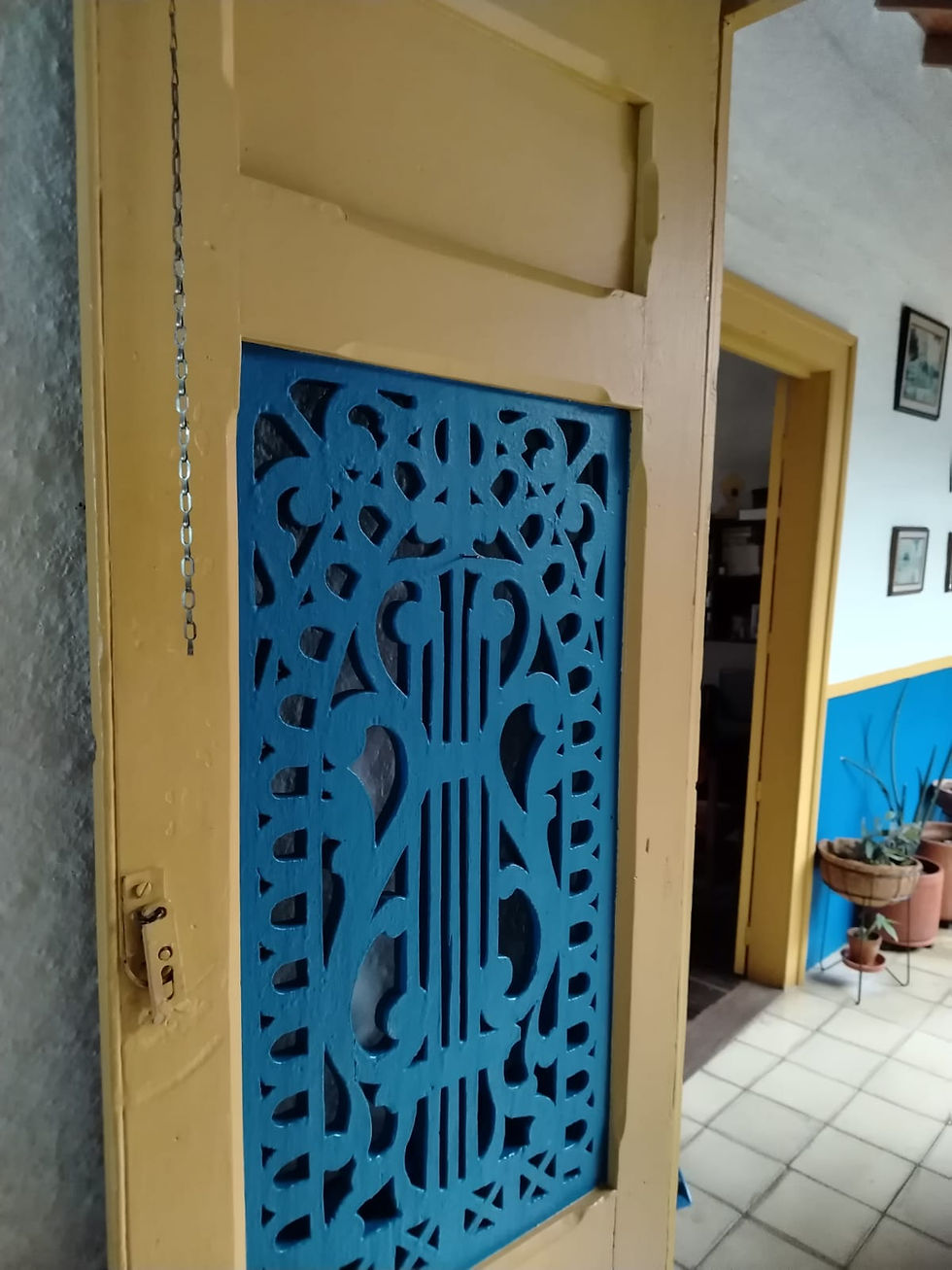
High-value buyers respond to well-presented properties that highlight authentic regional charm. Restoring traditional architectural woodwork, maintaining lush gardens, and presenting bright, clean living spaces dramatically increases appeal during buyer walkthroughs.
6. Strategic Marketing for High-Value Colombian Estates
Reaching the right buyers requires sophisticated marketing strategies that extend far beyond simple classified notices. Today's buyer pool includes affluent domestic purchasers from urban hubs like Medellin and Bogota, alongside international buyers looking for primary residences, boutique hospitality projects, or long-term wealth preservation.
Multi-Channel Exposure
Effective real estate promotion combines digital visibility with high-touch personal outreach:
Search Engine Visibility: Optimizing listings for specialized online discovery ensures your estate reaches global buyers actively searching for property opportunities.
High-Definition Media: Utilizing professional photography, aerial drone footage, and virtual tours lets remote buyers experience the terrain, mountain views, and architectural details firsthand.
Targeted Professional Campaigns: Reaching qualified investor circles through structured corporate outreach and tailored real estate marketing pipelines accelerates sales cycles.
Working with Specialized Local Experts
Navigating rural markets, environmental regulations, municipal tax offices, and international buyer networks demands localized expertise. Partnering with dedicated property professionals who specialize in specific corridors—such as the historic municipalities of Jardin and Jerico—ensures your listing receives premium exposure and skilled negotiation support.
At Jardin Colombia Real Estate, we maintain an exclusive selection of the hottest properties in Jardin and across Antioquia. Our specialized teams combine deep regional knowledge, fresh market perspectives, and expert promotional skills to support buyers and sellers alike. Beyond property listings, our team offers outsourced marketing services that help real estate ventures and regional businesses achieve greater returns.
7. Essential Checklist for Selling Real Estate in Colombia
To keep your sale organized from start to finish, use this step-by-step preparation list:
Verify Documentation: Obtain a fresh Certificado de Tradicion y Libertad and review all historical entries.
Resolve Boundary Discrepancies: Confirm that physical fencing aligns with registered public deed descriptions.
Pay Municipal Taxes: Clear all outstanding Impuesto Predial and Valorizacion balances to secure required Paz y Salvo certificates.
Confirm Water and Utility Rights: Secure documentation for legal water concessions and grid connections.
Establish Realistic Market Valuation: Assess recent sales of comparable fincas, land parcels, and residential estates in your immediate municipality.
Gather Agricultural Records: Compile yield reports, worker contracts, and processing equipment inventories for working farms.
Organize Tax Invoices: Collect official invoices for capital improvements to adjust your tax basis with DIAN.
Engage Professional Representation: Align with legal advisers, accountants, and dedicated real estate marketing specialists.
Prepare Marketing Media: Produce professional photography, drone imagery, and comprehensive property briefs.
Review Foreign Exchange Records: Confirm that original investment import filings (Formulario 4) are safely archived for bank repatriation steps.
Conclusion
Deciding to sell your real estate in Colombia is a manageable process when approached with clear preparation, strong legal guidance, and effective market strategies. From confirming public title records and managing capital gains obligations to executing formal public deeds and repatriating funds internationally, every stage benefits from meticulous planning.
By understanding how municipal clearances, notary withholdings, central bank regulations, and agricultural valuations work together, you can confidently navigate your eventual property exit. Whether you own a secluded country retreat, a commercial agricultural enterprise, or undeveloped land, strategic preparation protects your equity and ensures your investment yields strong long-term results.
For sellers seeking maximum market reach and buyers looking for exceptional opportunities, working with dedicated local specialists makes all the difference. Explore our current listings, professional insights, and comprehensive real estate services by visiting https://www.jardincolombiarealestate.com today.
Frequently Asked Questions (FAQs)
Can foreign citizens legally sell property and transfer funds out of Colombia?
Yes. Foreign citizens enjoy equal property ownership rights in Colombia. As long as your initial purchase capital was properly registered with Banco de la Republica upon entry, you can legally repatriate your capital and realized gains back to your international bank account after settling local tax obligations.
How is capital gains tax calculated when selling Colombian real estate?
If you have owned the property for two years or longer, your capital gain is taxed at a flat rate of fifteen percent on the net profit (the sale price minus your registered tax basis). If owned for less than two years, the gain is taxed as ordinary income at standard progressive rates.
What is the purpose of the Promesa de Compraventa?
The Promesa de Compraventa is a legally binding contract that secures the sale terms, price, payment schedule, closing date, and default penalties before signing the final public deed. It protects both buyer and seller during the closing preparation phase.
How long does it typically take to complete a property sale in Colombia?
Once a buyer and seller execute the Promesa de Compraventa, closing at the notary office generally takes two to four weeks, depending on how quickly municipal tax clearances (Paz y Salvo) are issued. Official title registration following the notary signing typically takes an additional two to three weeks.
Do I need to be physically present in Colombia to sell my property?
No. You can grant a formal Power of Attorney (Poder) to a trusted legal representative or real estate professional in Colombia. The Power of Attorney must be executed before a notary or at a Colombian consulate abroad and properly authenticated for legal use.
What are Paz y Salvo certificates, and why are they necessary?
Paz y Salvo certificates are official documents issued by local municipal government offices confirming that property taxes (Impuesto Predial) and public improvement levies (Valorizacion) are completely paid up to date. Notaries cannot execute a public deed of sale without these certificates.
How are notary and closing costs divided between buyer and seller?
Standard custom in Colombia dictates that notary fees are split equally (fifty-fifty) between buyer and seller. The seller pays the mandatory income withholding tax (Retencion en la Fuente, usually one percent), while the buyer pays registry and title transfer taxes.
Can I sell a property owned by a Colombian company (S.A.S.)?
Yes. You can either sell the real estate directly from the company to the buyer via a public deed or transfer the shares of the company to the buyer. Each path carries specific legal and accounting considerations, so consulting a tax professional is recommended.
Why is water concession (Concesion de Aguas) important when selling a rural finca?
In rural Colombia, legal rights to surface water or natural springs are regulated by regional environmental authorities (such as Corantioquia). Having an active, legal water concession attached to the property deed guarantees legitimate water access and significantly enhances rural property value.