Cultural considerations for foreign property owners
Cultural considerations for foreign property owners
Acquiring real estate in an international destination involves far more than navigating legal frameworks, signing public deeds, or wiring funds through official banking channels. Physical land, commercial structures, and residential retreats are deeply embedded in the social fabric, local history, and daily rhythm of the communities where they reside. For foreign investors, success is defined not only by strategic financial placement but by how effectively one integrates into the regional culture, builds meaningful relationships, and honours local traditions.
Colombia has earned its reputation as one of Latin America's most dynamic and welcoming markets for foreign direct investment. Across its diverse topography, international buyers are discovering exceptional value, rich agricultural potential, and a high quality of life. However, transitioning from a foreign buyer to a respected local property owner requires an understanding of Colombia's relational business environment, social nuances, labor dynamics, and regional pride.
Navigating these cultural touchpoints creates smooth operations, protects investments, and fosters genuine community integration. Cultural considerations for foreign property owners
The Relational Paradigm: Business Built on Trust
In many Western economies, real estate transactions and property management are strictly transactional. Deals are executed through digital portals, contracts are strictly enforced without prior personal acquaintance, and professional interactions remain detached. In Colombia, the operational landscape is fundamentally relational.
TRANSACTIONAL MODEL vs. RELATIONAL MODEL

TRANSACTIONAL MODEL (Western Standard)
Contract First  -->  Digital Exchange  -->  Impersonal Execution  -->  Speed Over Rapport

RELATIONAL MODEL (Colombian Practice)
Personal Rapport --> Informal Small Talk --> Mutual Trust Built --> Successful Long-Term Partnership
Relaciones over Transactions
The concept of relaciones (personal relationships) forms the bedrock of Colombian commercial and social life. Before discussing lease terms, land boundaries, or renovation budgets, local partners, contractors, and municipal officials want to know who you are as a person. Rushing directly into negotiations without engaging in warm, courteous conversation can be perceived as cold, demanding, or untrustworthy.
Taking ten to fifteen minutes to ask about someone's family, discuss local weather, or compliment the region's natural beauty is not wasted time; it is the essential preliminary groundwork that ensures future cooperation. When local partners feel respected and valued, operational challenges that might otherwise take weeks to resolve can often be handled with a simple phone call.
Courteous Formalism and Honorifics
Colombian culture balances warmth with a high degree of formal courtesy, particularly in professional and rural settings. Address individuals using formal titles such as Señor (Mr.) or Señora (Mrs.) followed by their surname until invited to use first names. In professional or administrative environments, using titles like Don or Doña before a first name indicates deep personal respect and social warmth, especially when addressing elders, land stewards, or community leaders.
In business contexts, it is common to hear professionals addressed as Doctor or Doctora, even if they do not hold a medical or doctoral degree. Using these honorifics demonstrates cultural awareness and respect for local hierarchy.
Communication Styles: Reading Between the Lines
Understanding how Colombians communicate is crucial for foreign property owners managing renovations, agricultural workers, or tenant relations. The dominant communication style prioritizes harmony, conflict avoidance, and face-saving over blunt directness.
CULTURAL COMMUNICATION COMPARISON

Direct Communication (Foreign Expectation):
"No, that deadline is impossible and the cost is too high."

Indirect Communication (Colombian Norm):
"Es un poco difícil... vamos a mirar cómo lo podemos resolver."
(Translation: "It's a bit difficult... let's see how we might resolve it.")
The Art of Indirect Expression
In English-speaking cultures, directness is often viewed as honesty and efficiency. In Colombia, overly direct criticism or blunt refusals can be seen as aggressive or disrespectful. Colombians rarely deliver a firm, abrupt "no". Instead, disagreement or impossibility is softened through phrases like:
Es un poco complicado ("It is a little complicated")
Vamos a ver ("We will see")
De pronto ("Maybe" or "possibly")
Trataré ("I will try")
When a contractor or project manager uses these expressions, it often signals an obstacle, a budget shortfall, or an unrealistic timeline. Rather than pressing for an immediate binary answer, probe gently with open-ended questions: ¿Qué dificultades ves en este proyecto? ("What difficulties do you see in this project?") or ¿Cómo podemos facilitar este proceso? ("How can we make this process easier?").
Public Dignity and Private Feedback
Maintaining dignidad (dignity) and saving face is vital across all social strata. Publicly correcting a worker, reprimanding a service provider in front of others, or raising your voice in a municipal office damages relationships and halts progress. Corrective feedback should always be delivered privately, with an encouraging tone, framing the issue as a shared problem to be solved together rather than individual fault.
Managing Labor and Community Relations
Whether maintaining a private estate, overseeing an eco-lodge, or operating a commercial farm, foreign property owners frequently become employers. Managing local labor requires an understanding of rural social structures, employment standards, and traditional reciprocity.
ELEMENTS OF EFFECTIVE LOCAL PROPERTY MANAGEMENT

+-------------------------------------------------------------------+
| 1. LEGAL FORMALITY      | Strict compliance with social security  |
|                         | and formal labor contracts.             |
+-------------------------+-----------------------------------------+
| 2. HUMAN RAPPROCHEMENT  | Inquiring about workers' families and   |
|                         | supporting their personal well-being.   |
+-------------------------+-----------------------------------------+
| 3. TRADITIONAL COURTESY | Providing coffee breaks (algo) and      |
|                         | respecting traditional work rhythms.    |
+-------------------------+-----------------------------------------+
| 4. COMMUNITY ACCORD     | Participating in local improvements and |
|                         | supporting civic initiatives.           |
+-------------------------+-----------------------------------------+
Formal Compliance Combined with Personal Care
Colombian labor law is strict, requiring employers to provide formal contracts, health insurance, pension contributions, severance pay (cesantías), and semi-annual bonuses (prima). Beyond legal compliance, workers value an employer who demonstrates genuine concern for their personal well-being.
In rural communities, a property owner who asks after a worker's children, provides fair working conditions, and offers modest support during personal hardships earns deep loyalty and long-term dedication. The administrator of your estate (mayordomo) is not merely an employee; they are the guardian of your physical asset and your primary link to the surrounding community.
The Rhythm of Rural Life
In agricultural and rural areas, life follows established rhythms tied to daylight, weather patterns, and local customs. Workdays often start early, around 6:00 AM, and include traditional breaks such as the algo or media mañana—a mid-morning coffee break with a light snack. Respecting these daily habits and sharing a coffee with your team creates mutual respect and breaks down social barriers.
Regional Nuances: The Special Dynamics of Antioquia and Jardín
Colombia is a nation of distinct regional cultures, each with its own customs, accents, and social norms. Antioquia stands out as one of the country's most prosperous, proud, and culturally distinct departments.
THE PAISA CULTURAL ESSENCE

+--------------------+----------------------------------------------+
| CULTURAL TRAIT     | EXPRESSION IN REAL ESTATE & BUSINESS         |
+--------------------+----------------------------------------------+
| Entrepreneurship   | Strong work ethic, pride in self-sufficiency,|
| (Vocación Emprendedora) | and focus on commercial excellence.   |
+--------------------+----------------------------------------------+
| Warm Hospitality   | Natural friendliness, generosity, and a      |
| (Hospitalidad)     | strong desire to make guests feel at home.   |
+--------------------+----------------------------------------------+
| Pride of Heritage  | Deep reverence for local traditions, neat   |
| (Amor por la Tierra)| architecture, and agricultural roots.        |
+--------------------+----------------------------------------------+
People from Antioquia, known as Paisas, are recognized throughout Latin America for their entrepreneurial drive, warm hospitality, quick wit, and deep attachment to their land.
The Spirit of the Paisa Region
Paisa culture places high value on industriousness, personal presentation, neatness, and word-of-mouth reputation. Properties in Antioquia—whether humble farmhouses or luxury estates—are maintained with great care. White-painted facades, vibrant flower boxes, manicured gardens, and polished corridors are points of pride. As a foreign owner, keeping your property well-maintained signals respect for your neighbors and the broader community.
When engaging in business or property dealings in Antioquia, transactions move quickly when mutual trust is established. The traditional Paisa business ethic values direct agreements backed by absolute personal integrity. While written legal contracts are essential, your personal word (la palabra) carries immense weight.
Integrating into Jardín: Heritage, Coffee, and Community
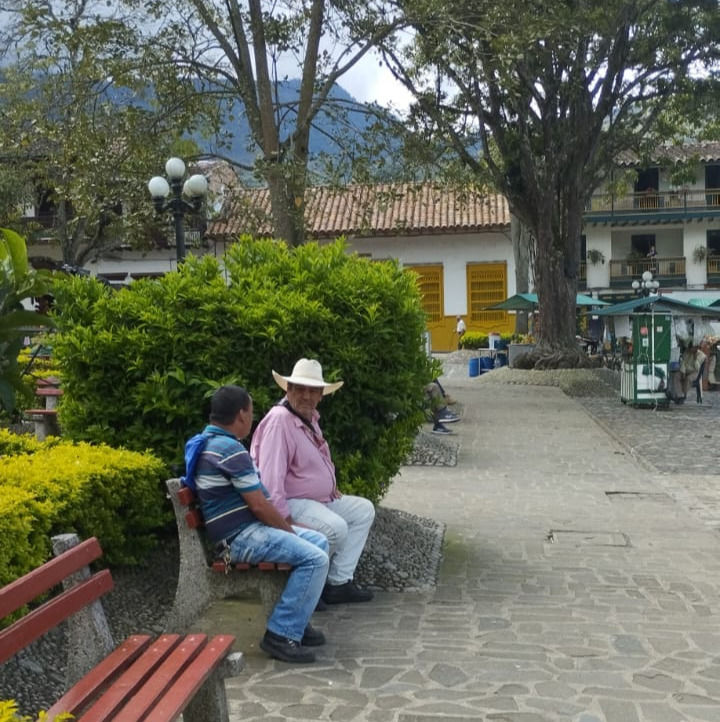
Within Antioquia's Southwestern province, the town of Jardín represents one of the nation's most preserved heritage destinations (Pueblos Patrimonio). Nestled in a verdant valley framed by the Andes, Jardín is defined by its colonial architecture, rich coffee heritage, and eco-tourism appeal.
Foreigners investing in Jardín join a community that deeply values its identity. Integrating successfully into Jardín involves:
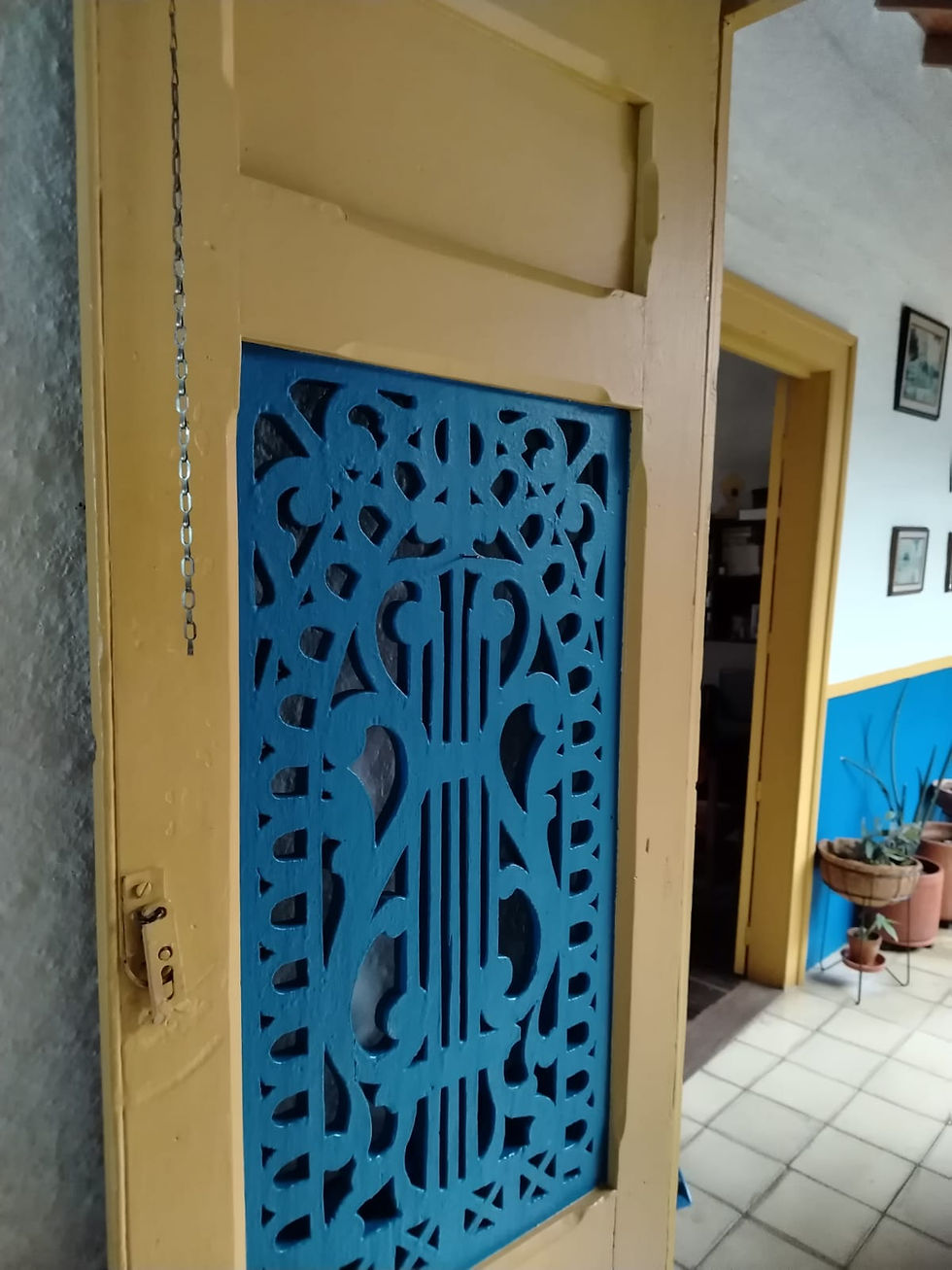
Preserving Architectural Integrity: Maintaining colonial woodwork, traditional tile roofs, and bright color palettes when restoring townhouses or rural estates.
Supporting the Coffee Heritage: Understanding that coffee farming is a historic way of life, not just an agricultural industry. Engaging with local growers and honoring traditional harvesting methods builds local goodwill.
Participating in Community Life: Gathering at the central plaza for evening coffee or conversation is the heart of social life in Jardín. Being present in public spaces fosters organic connections with locals and fellow business owners.
Real Estate Opportunities and Strategic Positioning in Antioquia
Understanding cultural dynamics provides a strong foundation for executing successful real estate strategies in Colombia's most desirable regional markets.
Investing in productive land, eco-tourism projects, and boutique hospitality assets allows foreign buyers to combine asset growth with active regional participation. For investors seeking opportunities under searches such as #FarmsForSaleInColombia, #ColombianCoffeeFarmsForSale, #CoffeeFarmsForSaleColombia, or #CoffeeFarmForSaleColombia, success depends on pairing sound financial management with a genuine appreciation for the land and its history.
Acquiring agricultural or leisure properties under categories like #ColombianLandForSale, #CoffeeFarmsInColombiaForSale, and #FincaForSaleColombia allows foreign owners to generate revenue through high-grade coffee production, farm-stay hospitality, or private eco-retreats. These ventures contribute directly to local employment and sustainable regional development.
For broader portfolio expansion, avenues tagged under #InvestInColombia, #Colombia, #JardinColombia, #InvestInColombiaRealEstate, and #BuyingPropertyInColombia offer a compelling mix of legal security, natural beauty, and strong capital appreciation.
Executing these projects requires local expertise and specialized market knowledge. In the Antioquia market, we feature the top properties in Jardín alongside tailored outsourced marketing services designed to elevate commercial assets and unique real estate ventures. With fresh perspectives, specialized teams, and high-level skill sets, we help businesses refine their positioning and achieve greater returns on their capital investments.
To explore premier opportunities, visit our primary portal at Jardín Colombia Real Estate and discover a handpicked portfolio of properties in Antioquia.
Practical Etiquette Checklist for Foreign Property Owners
PROPERTY OWNER CULTURAL ETIQUETTE CHECKLIST

[ ] Learn basic conversational Spanish to communicate directly with your team.
[ ] Greet everyone warmly (Buenos días / Buenas tardes) before asking questions.
[ ] Dress neatly for official, legal, or municipal meetings.
[ ] Offer coffee (a cafecito or tinto) when welcoming guests or workers.
[ ] Address local authorities and elderly neighbors with formal honorifics.
[ ] Deliver feedback or corrections in private, maintaining worker dignity.
[ ] Support local shops, hardware stores, and service providers.
[ ] Keep your property exterior clean, painted, and well-landscaped.
Conclusion
Becoming a property owner in Colombia is a rewarding journey that extends far beyond real estate metrics and financial returns. By embracing the relational nature of Colombian business, communicating with diplomacy, honoring rural labor traditions, and respecting the cultural heritage of regions like Antioquia and Jardín, foreign investors secure both their physical assets and a valued place within the local community. Land ownership in Colombia is ultimately a stewardship—of property, of relationships, and of community trust. With cultural awareness, open communication, and local expert guidance, foreign property owners can enjoy a rich, fulfilling, and successful investment experience.
Frequently Asked Questions (FAQs)
Do I need to speak fluent Spanish to manage property in Colombia?
While fluent Spanish is not strictly mandatory if you work with bilingual property managers, learning conversational Spanish significantly improves your experience and local relationships. Local staff, contractors, and neighbors appreciate any genuine effort to speak their language. It builds personal trust, prevents misunderstandings, and allows you to participate directly in community life.
How do I handle delays or missed deadlines with contractors without causing offense?
Avoid public confrontation or angry outbursts. Schedule a private, face-to-face meeting over coffee. Begin with friendly small talk, then express your concern calmly. Frame the conversation around solving the problem together: ask what obstacles caused the delay and how you can help clear them. Following up verbal agreements with a polite written message ensures shared clarity.
What is the customary way to tip or reward rural estate staff during the holidays?
In Colombia, formal employees are legally entitled to the prima (a 13th-month salary bonus paid in two installments, in June and December). Beyond legal obligations, it is customary in rural areas to give estate workers (mayordomos or field hands) a Christmas gift basket (ancheta) filled with holiday foods, sweets, and coffee, along with a modest cash bonus. This gesture shows gratitude and strengthens loyalty.
How are property boundary disputes usually handled in rural areas?
Boundary disputes should be approached with extreme diplomacy and patience. Rather than asserting rights aggressively or threatening legal action immediately, invite the neighboring property owner to walk the boundary line together alongside a trusted local surveyor or mutual acquaintance. Resolving boundary questions through informal conversation over a meal or coffee is almost always faster, less expensive, and preserves neighborhood harmony.
Is it acceptable to negotiate property prices aggressively in Colombia?
While price negotiation is a standard part of real estate transactions in Colombia, aggressive low-ball offers or disrespectful comments about the property's condition can alienate sellers. Colombians take pride in their real estate assets. Negotiations should remain courteous, complimentary, and focused on finding a fair price that respects both parties. Working through a respected local real estate broker helps bridge price expectations while maintaining warm personal relations.