Estate Planning for Foreign-Owned Colombia Properties

Estate Planning for Foreign-Owned Colombia Properties
Colombia has rapidly evolved into one of the most attractive destinations in Latin America for international property investors, retirees, and lifestyle buyers. From the lush mountains of Antioquia to vibrant urban centers and pristine rural country estates, foreign buyers continue to secure exceptional land and residential assets across the nation. However, purchasing real estate as an international buyer introduces unique legal, tax, and cross-border inheritance challenges. Without a well-thought-out legal strategy, transferring assets to designated beneficiaries or managing estate logistics upon death can lead to lengthy probate processes, unexpected tax obligations, and administrative friction.
Navigating foreign real estate ownership requires a clear understanding of local regulations, forced heirship rules, double taxation dynamics, and corporate holding structures. Proper estate planning protects your family's financial security, ensures your personal wishes are respected, and guarantees a smooth transfer of ownership across generations. Estate Planning for Foreign-Owned Colombia Properties
Understanding Colombian Real Estate Ownership for Foreign Nationals
Foreign individuals enjoy the exact same constitutional protections regarding land ownership as Colombian citizens. Article 58 of the Political Constitution of Colombia guarantees private property rights, meaning international investors can acquire, lease, transfer, or inherit titled real estate without requiring local citizenship or permanent residency status.
Despite these constitutional protections, foreign property owners must navigate distinct regulatory frameworks governing currency transactions, tax reporting, and title verification.
Title Verification and Public Deeds
Every legitimate property transaction in Colombia relies on a Public Deed (Escritura Pública) registered with the local Public Instruments Registry Office (Oficina de Registro de Instrumentos Públicos). This office issues an official title certificate known as the Certificate of Tradition and Freedom (Certificado de Tradición y Libertad).
The Certificado de Tradición y Libertad serves as the comprehensive legal transcript of the property. It discloses the complete ownership history, existing mortgages, judicial liens, easements, or unresolved inheritance claims. Before incorporating any property into a cross-border estate plan, title status must be completely verified to ensure the property is free of encumbrances.
Foreign Direct Investment (FDI) Registration
When foreign capital enters Colombia to acquire real estate, registering the funds properly with the Central Bank (Banco de la República) is a critical regulatory step.
International money transfers sent to purchase real estate must be cleared through an authorized financial intermediary using standard exchange market forms (such as Form No. 4 for Foreign Direct Investment). Registering this investment establishes your foreign ownership on official record and guarantees your legal right to repatriate capital, rental income, or sale proceeds back to your home country.
Failing to properly register Foreign Direct Investment can complicate future estate distributions. If heirs attempt to sell an inherited property and transfer the funds internationally, bank compliance divisions will request proof of the original FDI registration. Without this documentation, funds can be held up in complex administrative audits.
Fundamental Differences in Cross-Border Estate Law
A common mistake among foreign investors is assuming that a last will and testament executed in their home country (such as the United States, Canada, the United Kingdom, or Australia) automatically governs their real estate in Colombia. Under international private law, immovable property is governed by the laws of the jurisdiction where the land resides (lex loci rei sitae).
Forced Heirship Principles
Unlike common law jurisdictions that allow individuals complete freedom to disinherit family members or leave assets entirely to third parties, Colombia follows a civil law system derived from the Napoleonic Code. This system includes strict forced heirship provisions (asignaciones forzosas) that protect immediate family members.
Under Colombian Civil Law (Article 1226 and subsequent sections of the Civil Code, updated by Law 1934 of 2018), an estate is divided into statutory portions:
Forced Legitimation Portion (Legítima Cautelosa): Fifty percent (50%) of the total estate MUST be distributed equally among the direct forced heirs. Forced heirs are primarily natural or adopted children, or parents if the deceased has no children.
Freely Disposable Portion (Libre Disposición): Fifty percent (50%) of the estate can be freely bequeathed to anyone designated in a valid Colombian will, including non-family members, charities, or specific heirs to unequal degrees.
For foreign property owners accustomed to flexible estate structures, these mandatory distribution percentages can alter intended inheritance plans if not addressed proactively.
Marital Property Rights and Conjugal Partnerships
If a foreign property owner is legally married or in a recognized de facto marital union (Unión Marital de Hecho), marital property laws apply before any estate distribution takes place.
Under Colombian law, marriage creates a conjugal partnership (Sociedad Conyugal). Upon the death of a spouse, the marital partnership is liquidated first. The surviving spouse is automatically entitled to fifty percent (50%) of all community assets acquired during the marriage as their own marital share (Gananciales). The remaining 50% constitutes the deceased spouse’s individual estate and is subject to succession rules and forced heirship laws.
Essential Estate Planning Tools for Colombia Real Estate
International investors have several strategic legal mechanisms to structure their property holdings, protect beneficiaries, and streamline probate processes.
+-----------------------------------------------------------------------+
|                 COLOMBIAN ESTATE PLANNING FRAMEWORK                  |
+-----------------------------------+-----------------------------------+
|     INDIVIDUAL OWNERSHIP PATH     |      CORPORATE HOLDING STRUCTURE  |
+-----------------------------------+-----------------------------------+
| • Direct Public Deed (Escritura)  | • Colombian SAS Corporation       |
| • Formal Colombian Will (Testamento)| • Direct Share Transfer to Heirs |
| • Forced Heirship Rules Apply     | • Bypasses Land Probate Process   |
| • Traditional Judicial Probate    | • Streamlined Corporate Governance|
+-----------------------------------+-----------------------------------+
Formal Colombian Wills (Testamento Abierto)
Executing a local Colombian will is one of the most effective ways to establish clarity over Colombian assets. While foreign wills can theoretically be recognized through international authentication processes (apostille and official translation), managing probate in local courts using a foreign will creates major delay and added expense.
A local open public will (Testamento Abierto) is drafted by an experienced attorney, executed before a Colombian Public Notary (Notario Público), and witnessed by three disinterested parties. The notary records the document in official archives, ensuring immediate legal recognition upon the testator's death.
Key benefits of an open public will include:
Explicit exercise of the 50% freely disposable portion to direct specific property rights.
Appointment of an executor (Albacea) who manages property maintenance and legal representation during probate.
Clear alignment between local real estate registries and international estate wishes.
Corporate Structures (Sociedad por Acciones Simplificada - SAS)
Establishing a Colombian simplified stock corporation (SAS) to hold title to real estate is a popular strategy for international buyers. Instead of an individual holding title directly, the foreign investor holds 100% of the corporate shares, and the company owns the Public Deed.
Using a corporate structure provides multiple strategic advantages:
Ease of Transfer: Transferring corporate shares to heirs upon death is often significantly faster and simpler than transferring titled land through formal judicial probate.
Multiple Ownership Management: If multiple family members or business partners co-invest, a corporate structure provides clear operating agreements, voting rights, and buyout mechanisms.
Liability Protection: Corporate ownership limits personal liability arising from property operations, tenant contracts, or agricultural management.
Real Estate Trusts (Fideicomiso Mercantil)
A Real Estate Trust (Fideicomiso) involves transferring property ownership to an authorized corporate trustee (Sociedad Fiduciaria) under regulated oversight. The trust holds legal title while the investor remains the primary beneficiary during their lifetime.
Upon death, the trust agreement executes pre-determined transfer instructions directly to designated substitute beneficiaries without passing through traditional probate courts. Real estate trusts offer exceptionally high asset protection, though they involve ongoing administration fees and setup costs.
Usufruct Rights (Usufructo)
A practical strategy for elderly buyers or family succession is splitting property rights into bare ownership (Nuda Propiedad) and usufruct rights (Usufructo).
Under this arrangement, a parent transfers the bare legal title of the property to their children while retaining a lifetime usufruct right. The parent maintains full rights to occupy, manage, rent out, and collect income from the property until their death. Upon death, the usufruct automatically terminates, and complete unencumbered ownership consolidates in the children's names without probate proceedings.
Navigating Probate and Succession in Colombia
When a foreign property owner passes away owning direct title to real estate, the property must undergo formal probate proceedings (Proceso de Sucesión).
Notarial Succession vs. Judicial Succession
Colombia offers two primary pathways for completing probate:
Notarial Succession (Sucesión Notarial): This is a streamlined administrative process conducted directly before a Public Notary. It requires 100% agreement among all legally recognized heirs and surviving spouses. If no disputes exist and all documents are in order, notarial probate can be completed within two to four months.
Judicial Succession (Sucesión Judicial): If heirs disagree on asset distribution, if forced heirship rights are contested, or if minor children lack formal representation, the probate transfers to a family court judge. Judicial successions are complex, adversarial, and can take anywhere from eighteen months to several years to resolve.
Required Documentation for Foreign Heirs
Foreign heirs must assemble a comprehensive package of authenticated international documents to initiate probate in Colombia. Every document issued abroad must be legalized via Apostille (under the Hague Convention) and translated into Spanish by an officially certified translator in Colombia.
Standard required documents include:
Official Death Certificate of the property owner.
Birth certificates of all heirs (proving familial relationship for forced heirship verification).
Marriage certificate or proof of marital status (if applicable).
Authentic copy of any Colombian wills or registered foreign wills.
Certificado de Tradición y Libertad for all real estate assets.
Tax clearance certificates (Paz y Salvo) covering municipal property taxes and utility obligations.
Tax Considerations in Cross-Border Inheritance
Tax planning is an essential component of cross-border estate management. Both local Colombian tax rules and home-country tax liabilities impact final wealth preservation.
Inheritance Taxes in Colombia
In Colombia, inherited assets are treated as an occasional gain (Ganancia Ocasional). Under current national tax codes, occasional gains from inheritances, legacies, and gifts are taxed at a flat rate of 15%.
However, the tax code provides significant statutory exemptions for family inheritances:
Primary Housing Exemption: A portion of the value of the deceased person’s principal residence is exempt from occasional gains tax, up to statutory thresholds defined in Tax Units (UVT - Unidades de Valor Tributario).
Direct Family Deductions: Specific tax-free allowances apply to forced heirs receiving their statutory share.
Tax liabilities are calculated based on the official tax value (Avalúo Catastral) or the registered fiscal value of the asset at the time of succession, rather than inflated speculative estimates.
Avoidance of Double Taxation
Foreign estate owners must evaluate how Colombian inheritance taxes interact with the tax rules in their home jurisdiction.
For instance, the United States taxes its citizens on global assets, but provides foreign tax credits or estate tax exemptions depending on overall net worth thresholds. Other countries maintain specific tax treaties or local credit systems to prevent double taxation on real estate held overseas. Working alongside cross-border tax specialists ensures full international compliance without paying unnecessary duplicate taxes.
Regional Investment Insights: Spotlight on Antioquia and Jardin
Selecting the right location for property investment directly influences asset value retention, rental yields, and overall ease of estate management. Within Colombia, the department of Antioquia stands out as a premier regional destination for both domestic and international buyers.
Antioquia offers world-class urban infrastructure in Medellín paired with incredible eco-tourism, coffee culture, and rural estates throughout its surrounding valleys.
+-----------------------------------------------------------------------+
|                    ANTIOQUIA REGIONAL COMPARISON                      |
+-------------------+---------------------------------------------------+
| REGION            | PRIMARY INVESTMENT APPEAL                         |
+-------------------+---------------------------------------------------+
| Jardin            | Eco-Luxury, Historic Architecture, Coffee Estates |
| Jerico            | Cultural Tourism, Mountain Retreats, Agriculture  |
| El Retiro / Rionegro | Country Homes, Proximity to International Airport |
| Medellin          | Urban Condos, Long-Term Rental Income, Commercial |
+-------------------+---------------------------------------------------+
The Unique Appeal of Jardin, Antioquia
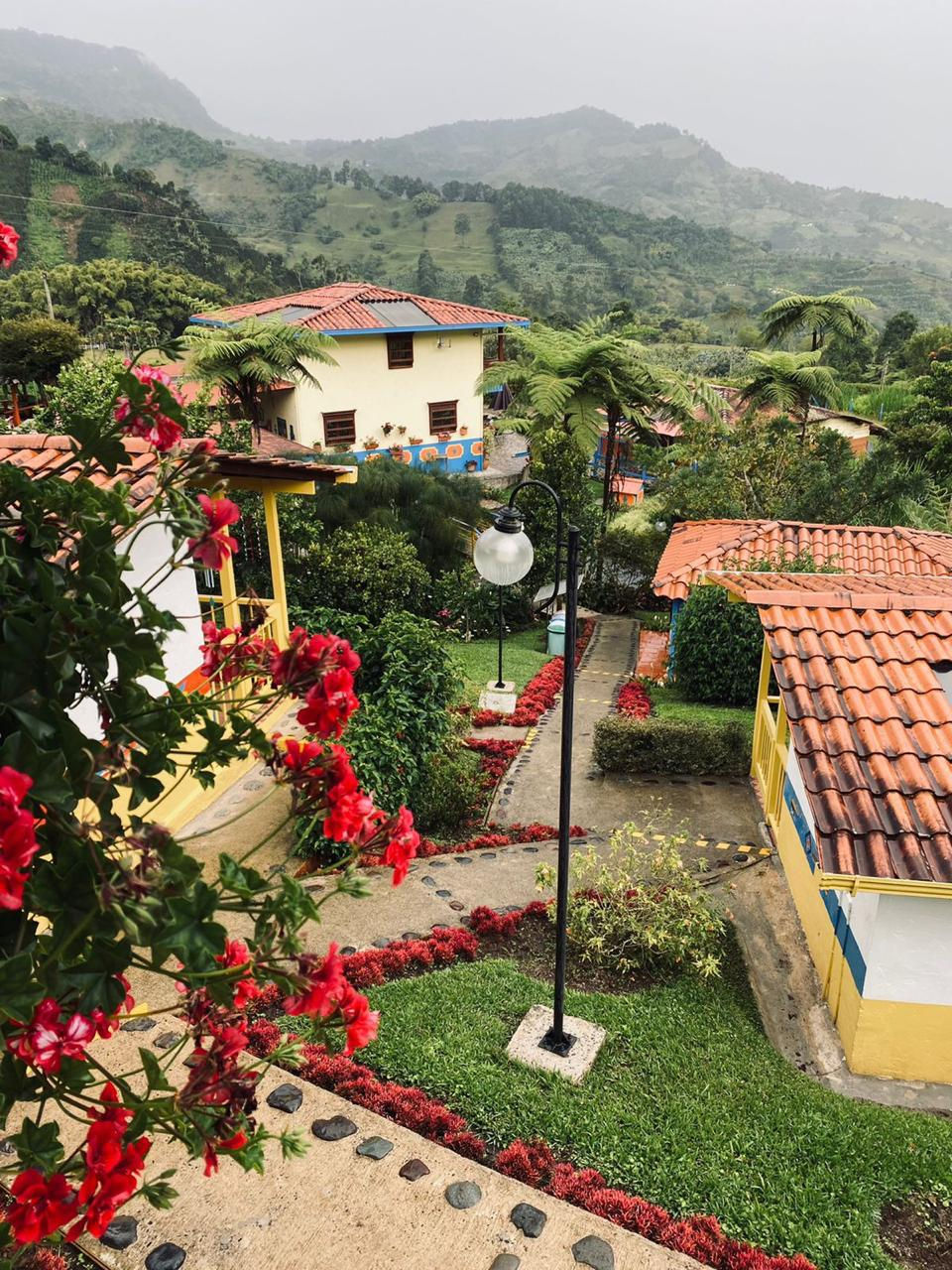
Nestled in the southwestern mountains of Antioquia, Jardin is widely celebrated as one of Colombia's most beautiful heritage towns (Pueblos Patrimonio). Known for its preserved colonial architecture, colorful wooden balconies, lush coffee-covered hillsides, and pristine natural surroundings, Jardin has become a magnet for foreign buyers seeking lifestyle retreats, boutique hospitality projects, and productive agricultural land.
Properties in Jardin represent versatile long-term real estate investments. Demand remains strong across several distinct categories:
Historic Colonial Homes: Restored homes near the central plaza that offer timeless character and strong boutique commercial potential.
Coffee Farms and Agricultural Estates: Working farms producing specialty coffee while offering luxury residential country living.
Eco-Luxury Country Houses (Fincas): Mountain properties designed for sustainable living, private retreats, or vacation rental operations.
Managing properties in prime locations like Jardin requires professional oversight, particularly for absentee owners or heirs residing abroad. Working with specialized teams who possess regional experience, deep local market knowledge, and comprehensive outsourced marketing services ensures your properties maintain high occupancy, strong rental yields, and excellent long-term asset value.
Whether managing traditional country fincas or modern residential estates, accessing top-tier properties and new perspectives helps investors and heirs achieve greater returns while securing their real estate holdings. To explore exceptional properties in this region, visit https://www.jardincolombiarealestate.com to connect with dedicated local specialists.
Step-by-Step Estate Planning Checklist for Foreign Investors
To ensure your foreign-owned Colombian property is completely protected and prepared for seamless succession, follow this structured implementation checklist:
1. Perform Title and Legal Due Diligence
Verify that all property deeds (Escrituras) are properly recorded at the Public Instruments Registry Office. Obtain an updated Certificado de Tradición y Libertad to verify that no liens, judicial claims, or boundary disputes exist.
2. Verify Foreign Investment Registration
Ensure all initial purchase funds sent to Colombia were properly registered as Foreign Direct Investment with Banco de la República using official exchange market documentation. Keep permanent digital and physical copies of these registrations alongside your title deeds.
3. Consult a Dual-Jurisdiction Legal Team
Engage an experienced Colombian real estate attorney alongside an estate advisor in your home country. Ensure both professionals coordinate to prevent conflicts between your home-country estate documents and local Colombian forced heirship laws.
4. Choose Your Holding Structure
Determine whether direct personal ownership with a local public will, a Colombian SAS corporation, a real estate trust, or a usufruct arrangement aligns best with your family structure, tax objectives, and long-term asset plans.
5. Execute Local Estate Documents
Draft and register a formal Colombian Open Public Will (Testamento Abierto) before a local Notary Public. Appoint a trustworthy, bilingual Executor (Albacea) or professional legal firm to represent your estate locally.
6. Organize an Accessible Document Vault
Create a secure physical and digital repository containing title deeds, central bank registrations, corporate shares, tax receipts, utility records, legal wills, and contact information for your local attorney, accountant, and property managers. Provide your designated heirs and executor with clear access instructions.
7. Review and Update Annually
Regularly review your estate plan to accommodate changes in Colombian tax legislation, civil law updates, family circumstances, or new real estate acquisitions.
Essential Keywords for Investors Exploring Colombian Real Estate
For buyers and investors researching opportunities across the country, keeping track of key market terms and property types helps identify prime opportunities:
Conclusion
Securing real estate in Colombia offers extraordinary lifestyle benefits and long-term economic growth potential. However, protecting these valuable cross-border assets requires strategic, proactive estate planning. Because Colombian civil law imposes forced heirship requirements and strict notarization procedures, foreign owners cannot rely solely on estate documents drafted in their home jurisdictions.
By establishing local wills, utilizing corporate holding structures like a Colombian SAS, leveraging usufruct rights, and ensuring proper Foreign Direct Investment registration, international investors can completely protect their properties. Proper estate planning eliminates administrative confusion, minimizes tax liabilities, and guarantees a smooth legal transition for future generations.
With the right professional guidance and localized legal strategies, your investment in Colombian real estate will remain a secure, rewarding asset for your family for decades to come.
Frequently Asked Questions (FAQs)
Does my US, Canadian, or European will cover my real estate in Colombia?
While foreign wills can legally be presented during probate in Colombia, the process is extremely complex, slow, and expensive. Foreign wills must be apostilled, translated by a certified Colombian translator, and reviewed by a local court judge to confirm compliance with Colombian forced heirship laws. Executing a local open public will directly before a Colombian Notary is significantly faster and far more reliable.
What happens if a foreign property owner dies without leaving a will in Colombia?
If an owner dies intestate (without a will), Colombian statutory rules of succession take full effect. The estate is distributed strictly according to mandatory civil law order: first to direct children and surviving spouse, then to parents, then to siblings, and finally to nieces or nephews. If no legal heirs exist after thorough judicial searches, the property eventually escheats to the state via the Colombian Institute of Family Welfare (ICBF).
Can I disinherit a child or leave 100% of my Colombian property to my spouse?
Under Colombian forced heirship rules, you cannot disinherit a child unless specific, legally proven statutory grounds exist (such as severe criminal acts or documented abandonment). Fifty percent (50%) of your estate must be divided equally among forced heirs. However, you can use the remaining 50% freely disposable portion to increase your spouse's share or direct specific assets accordingly.
What is the benefit of owning property through a Colombian SAS corporation?
Holding real estate through a simplified stock corporation (SAS) converts real land property into corporate shares. In the event of an owner's death, transferring shares to beneficiaries is often far simpler and faster than conducting formal land probate. Additionally, corporate structures provide clear governance for multiple owners and added personal liability protection.
How are inheritance taxes calculated for foreign heirs in Colombia?
Inheritances are taxed as occasional gains (Ganancia Ocasional) at a flat 15% rate on taxable amounts above statutory exemptions. Tax liabilities are determined using the property's official tax valuation or fiscal declared value. Certain statutory tax-free thresholds apply to primary residential homes and direct forced heir distributions.
Do foreign heirs need to travel to Colombia to complete the probate process?
No. Foreign heirs can execute a formal Power of Attorney (Poder Especial) before a local Colombian Consulate overseas or before a public notary (with an apostille). This document authorizes an experienced Colombian attorney to represent the heirs, manage notarial filings, handle tax clearances, and complete property title registration on their behalf without requiring the heirs to travel in person.