
Future development areas to watch in Colombia
Future development areas to watch in Colombia
Colombia is undergoing a remarkable evolution. Over the past two decades, our country has shifted from an emerging regional player into one of the most compelling destinations in Latin America for real estate, agricultural ventures, technology, and eco-tourism. As a Colombian marketing expert with years of hands-on experience advising international buyers, institutional funds, and local developers, I have seen firsthand how economic shifts, infrastructure improvements, and changing global lifestyle preferences reshape our territory.
Understanding where growth is happening and where the next major wave of appreciation will occur requires looking beyond primary cities like Bogotá and Medellín. Real long-term opportunity lies in strategic regions where infrastructure expansion meets natural abundance, rich cultural heritage, and rising global demand. From high-altitude agricultural retreats in Antioquia to emerging secondary hubs along our coastlines and mountain valleys, Colombia offers a uniquely diverse map of potential.
In this comprehensive analysis, we will explore the major macro-trends driving transformation across the nation, evaluate specific regions poised for significant expansion, examine the agricultural and real estate sectors, and outline key strategies for successfully navigating investments in Colombia.
Macroeconomic Drivers Transforming Colombian Real Estate and Development
To evaluate specific territory across Colombia, one must first grasp the overarching economic currents driving capital into Latin America's fourth-largest economy. Colombia's resilience stems from a combination of strong demographic fundamentals, expanding foreign direct investment, and massive infrastructure upgrades that are connecting previously isolated regions to major commercial hubs and international ports.
Infrastructure Infrastructure Expansion and the Pacific-Atlantic Corridors
For generations, Colombia's dramatic topography presented both a natural blessing and a logistics challenge. The Andes mountain range splits into three distinct chains, historically isolating rural agricultural regions from coastal ports and major urban centers. However, over the past decade, national infrastructure initiatives have fundamentally reshaped this reality.
The construction of major highway networks, tunnels, and bridges under national 4G and 5G road expansion programs has dramatically cut travel times between key productive regions and urban markets. For instance, new highway connections between Medellín, the coffee axis, and the Caribbean coast have reduced transit times by up to forty percent. Regions that were once considered distant mountain retreats are now easily accessible for weekend travelers, logistical operators, and agricultural exporters.
When transit times fall, property values and economic activity in connected secondary municipalities naturally experience sustained upward momentum.
The Rise of Remote Work and Global Lifestyle Migration
The global shift toward remote work and distributed team management has altered international real estate demand. High-earning professionals, retirees, and entrepreneurs from North America and Europe are increasingly seeking locations that combine pleasant climate, affordable cost of living, robust digital connectivity, and high overall quality of life.
Colombia has emerged as a top beneficiary of this trend. Medellín established itself as a global hub for digital nomads, but as those urban centers mature, a significant portion of long-term buyers are moving outward into picturesque rural municipalities. Buyers are actively seeking tranquil mountain estates, boutique agricultural properties, and eco-friendly homes located within two to three hours of an international airport.
Agricultural Resilience and the Specialty Coffee Movement
While residential real estate draws considerable attention, Colombia's fertile land remains one of its most enduring strengths. Global demand for specialty coffee, organic avocados, exotic fruits, and sustainable timber continues to outpace supply.
The coffee industry in particular has undergone a dramatic modernization. Rather than selling raw commodities at volatile market prices, forward-thinking landowners are cultivating specialty Arabica micro-lots, processing high-scoring specialty beans, and integrating boutique agro-tourism experiences directly on their properties. This dual-revenue model combining high-value agricultural exports with boutique hospitality has made acquiring rural land one of the most compelling options for long-term investors.
Key Regions and Future Development Zones to Watch
When assessing regional growth across Colombia, smart capital targets locations that balance natural charm with strategic infrastructure projects. Here is a breakdown of the primary regions positioned for sustained long-term growth.
Southwest Antioquia and the Jewel of Jardin
Antioquia has long been the industrial and financial engine of Colombia, but its rural municipalities are currently experiencing unprecedented interest. While the Eastern Suburbs near Medellín have seen dense commercial development, Southwest Antioquia offers an exceptional blend of pristine natural beauty, traditional coffee culture, and rapidly improving road connections.
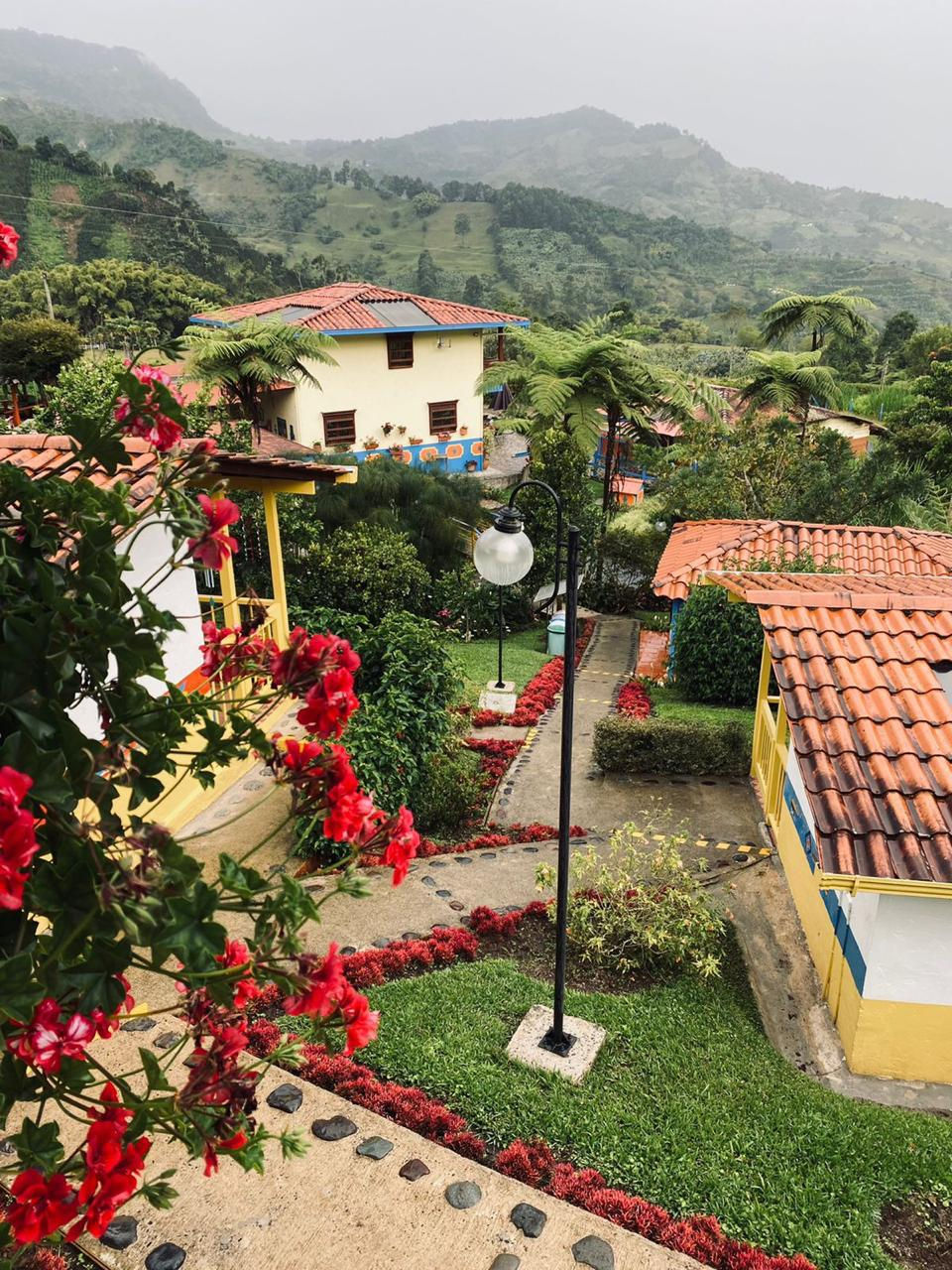
At the center of this movement is Jardin, widely considered one of Colombia's most beautiful and authentic colonial towns. Surrounded by lush cloud forests, dramatic waterfalls, and verdant coffee hillsides, Jardin has carefully preserved its architectural heritage while quietly building world-class eco-tourism and agricultural infrastructure.
The completion of major highway corridors connecting Medellín to Southwest Antioquia has brought Jardin within easy reach of urban centers and international airports. This accessibility, paired with strict local zoning rules that protect historic architecture and natural landscapes, creates ideal conditions for real estate appreciation.
Key property categories in Southwest Antioquia include:
Active specialty coffee estates with established production capabilities.
Boutique eco-resort sites suited for high-end sustainable tourism.
Country homes and luxury fincas offering breathtaking mountain vistas.
Land parcels suitable for regenerative agriculture or private eco-retreats.
For buyers considering Investing In Colombia Real Estate or exploring options for FarmsForSaleInColombia, Southwest Antioquia represents a prime example of a market where natural beauty meets strong growth fundamentals.
The Coffee Axis (Eje Cafetero) and Secondary Expansion
Comprising the departments of Quindío, Risaralda, and Caldas, the traditional Coffee Axis remains a cornerstone of rural development. Known for its rolling hills, wax palms, and gentle climate, the region has successfully transitioned from pure agriculture into a major domestic and international tourism destination.
While established hubs like Salento and Armenia have reached mature pricing levels, smart investors are looking toward secondary surrounding valleys where land costs remain accessible and infrastructure improvements are expanding the town boundaries. Areas bordering Caldas and Risaralda offer expanding opportunities for multi-use agricultural projects, wellness retreats, and primary residences for retirees.
The Caribbean Coast and Secondary Port Cities
Colombia's northern coastline continues to capture international interest, driven by tourism, port logistics, and renewable energy projects. Beyond established markets like Cartagena and Santa Marta, secondary coastal zones are drawing attention for long-term land acquisition.
Regions near Palomino, Dibulla, and the outskirts of Barranquilla are seeing expanded interest for boutique hospitality development, renewable solar projects, and eco-luxury residential communities. As coastal infrastructure improves, these coastal zones offer distinct opportunities for buyers interested in hospitality and strategic land holdings.
The Eastern Plains (Llanos Orientales) and Agribusiness Expansion
For institutional investors focused on large-scale agriculture, forestry, and livestock management, the Eastern Plains around Meta and Vichada represent Colombia's agricultural frontier. With vast tracts of flat, arable land and abundant water resources, this region is key to national food security and export-focused agricultural expansion. While less suited for individual lifestyle residential buyers, the Llanos offer unique positioning for commercial agro-industrial ventures.
Deep Dive: Agricultural Land and Finca Investments
Acquiring rural land in Colombia is more than a passive asset purchase; it is an entry into a productive ecosystem. Among all land types, coffee properties hold a special place in Colombian identity and international market appeal.
Why Coffee Properties Capture Global Demand
A traditional Colombian finca provides a unique combination of lifestyle satisfaction and practical economic capability. Unlike raw undeveloped land that produces no immediate yields, an active coffee farm provides ongoing harvests, established local labor relationships, and existing processing infrastructure.
Furthermore, the rise of direct-to-consumer specialty coffee sales has transformed farm economics. Specialty coffee buyers around the world pay premium rates for single-origin beans with distinct flavor profiles, high altitude cultivation, and sustainable farming practices.
When evaluating Colombian Coffee Farms For Sale, successful buyers analyze several vital technical parameters:
Factor | Technical Ideal | Strategic Value |
Altitude | 1,400 to 1,900 meters above sea level | Enhances bean density, acidity, and specialty cupping scores |
Water Supply | Natural mountain springs and protected streams | Critical for coffee washing, processing, and domestic use |
Soil Quality | Volcanic ash-enriched, high organic matter | Reduces fertilizer costs and supports long-term crop health |
Transport Access | Paved or well-maintained feeder roads | Ensures smooth crop transport and guest access |
Processing Facilities | Modern eco-pulpers and parabolic drying beds | Reduces water consumption and improves bean quality |
Investing in Coffee Farms For Sale Colombia or looking for a Coffee Farm For Sale Colombia allows buyers to participate in a storied agricultural tradition while capitalizing on growing international demand for specialty origins.
Transforming Traditional Land into Eco-Tourism Destinations
A major trend across rural Antioquia and the coffee region is the integration of high-end eco-hospitality with active farming. Modern travelers no longer want simple hotel stays; they seek immersive experiences where they can pick coffee cherries in the morning, learn about roasting from local master artisans, and relax in luxury accommodations surrounded by nature in the afternoon.
Properties configured for dual agricultural and hospitality use enjoy diversified income streams. During harvest seasons, agricultural yield provides primary revenue, while year-round tourism bookings generate steady cash flow. This hybrid operational model has made searching for Coffee Farms In Colombia For Sale and Finca For Sale Colombia one of the most active sectors in modern Colombian real estate.
Practical Guide to Buying Property in Colombia
Navigating real estate transactions in a foreign country requires clear understanding of legal processes, tax structures, and currency mechanisms. Colombia maintains a mature, secure legal framework for real estate transactions that welcomes foreign investment, provided proper due diligence is conducted.
Legal Protections for Foreign Capital
Foreign individuals and foreign corporate entities enjoy the exact same constitutional ownership rights as Colombian citizens when acquiring real estate. There are no restrictions on foreign land ownership near borders or coastal zones, making Colombia one of the most open property markets in South America.
Furthermore, Colombia's legal system utilizes a centralized public registry system. Every property possesses a unique registration document called a Certificate of Tradition and Freedom (Certificado de Tradición y Libertad). This legal document details the full historical ownership chain, active mortgages, liens, easements, and legal encumbrances associated with the parcel.
Essential Steps in the Property Acquisition Process
To ensure a seamless purchase when Buying Property In Colombia or acquiring Colombian Land For Sale, buyers should follow a structured sequence:
Title Search and Legal Due Diligence: An experienced Colombian real estate attorney must review the property's Title Certificate going back at least thirty years to verify clean ownership titles, clear boundary definitions, and freedom from legal disputes.
Land Use and Zoning Verification: For rural land or commercial developments, verifying local municipal zoning rules (POT - Plan de Ordenamiento Territorial) is essential to confirm that intended uses—such as building residential structures, running commercial hospitality, or agricultural processing—are fully permitted.
Property Tax and Municipal Clearance: Ensure that all historical municipal property taxes (Impuesto Predial) and water or utility assessments are fully paid up to date.
Promesa de Compraventa (Purchase Agreement): Once due diligence is verified, buyer and seller sign a legally binding promise of sale detailing purchase price, payment timelines, penalty clauses, and deed transfer dates.
Foreign Capital Registration: All foreign currency transferred into Colombia to purchase real estate must be registered with the Central Bank (Banco de la República) using Form 4 (Declaración de Cambio). This registration establishes official record of foreign direct investment, making future capital repatriation straightforward.
Public Deed Execution and Registration: The final sale deed (Escritura Pública) is signed before an official Colombian Notary (Notaría) and subsequently recorded at the Public Register Office (Oficina de Registro de Instrumentos Públicos). Official title transfers only upon completion of this registration step.
The Role of Marketing and Strategic Positioning in Real Estate Development
Developing land or launching a successful real estate project in Colombia requires more than just acquiring a great property. In today's digital global economy, effectively communicating value to qualified buyers around the world requires specialized marketing strategies, local market insight, and expert storytelling.
Bridging the Gap Between Local Assets and Global Buyers
International buyers searching for InvestInColombia opportunities often face information asymmetry. They may recognize Colombia's growth potential, but lack direct access to verified listings, trustworthy local market data, and clear legal guidance.
This is where specialized marketing and advisory services become critical. Project developers and landowners must present their properties using clear, professional, multi-lingual digital channels, high-definition visual assets, and accurate technical data regarding soil, climate, water access, and income potential.
Our team at https://www.jardincolombiarealestate.com brings deep local experience, new perspectives, expert skills, and specialized teams to help landowners, real estate developers, and businesses position their assets effectively and achieve greater returns in international and domestic markets.
By combining local operational presence in key regions like Southwest Antioquia with modern digital marketing strategies, property owners can showcase the true value of their land to an eager global audience.
Key Considerations for Sustainable and Impactful Development
As development expands across Colombia's rural municipalities, sustainability and community integration have moved from optional considerations to vital core requirements. Responsible development preserves the very qualities that make these regions desirable in the first place.
Architectural Preservation and Regenerative Design
In historical municipalities like Jardin, preserving colonial architectural heritage is protected by law and appreciated by the market. New developments that blend traditional bahareque or clay-tile aesthetics with modern eco-friendly amenities perform exceptionally well.
Similarly, rural agricultural developments should incorporate regenerative farming practices. Protecting natural water springs, maintaining native forest corridors for bird migration, and minimizing synthetic chemical use not only preserves ecological health, but also earns premium pricing for agricultural produce and eco-tourism bookings.
Community Integration and Local Employment
Successful projects build strong, collaborative relationships with surrounding rural communities. Coffee farming and rural tourism depend directly on skilled local labor, experienced farm managers, and regional artisan suppliers. Developers who invest in local worker training, offer fair compensation, and support community infrastructure cultivate long-term goodwill and operational stability.
Conclusion
Colombia stands at an extraordinary moment in its economic history. Driven by transformative infrastructure projects, expanding global interest in rural lifestyle properties, and rising demand for sustainable specialty agriculture, the country offers exceptional opportunities for forward-thinking land buyers and real estate investors.
While major urban centers continue their steady growth, the most dynamic future development areas are found in connected rural municipalities like Jardin and the surrounding valleys of Southwest Antioquia. Here, the combination of rich agricultural land, pristine natural environment, vibrant local culture, and accessible transportation creates ideal conditions for long-term value creation.
Whether your goal is acquiring a private mountain sanctuary, developing a boutique eco-resort, building a portfolio of specialty coffee farms, or positioning local real estate assets for international buyers, success requires clear market intelligence, thorough legal due diligence, and experienced local execution.
By understanding regional development trends, respecting local heritage, and partnering with dedicated local experts, investors can participate directly in Colombia's bright economic future.
Frequently Asked Questions (FAQs)
Is it safe and legally secure for foreigners to buy property in Colombia?
Yes, Colombia provides foreign investors with the exact same legal real estate property ownership rights as Colombian citizens. All property ownership is registered through a centralized public deed system. To ensure complete legal security, buyers should work with an experienced real estate attorney to complete title searches, verify municipal zoning, and formally register foreign funds transferred through the Central Bank.
What are the main regions to consider when buying a coffee farm in Colombia?
The traditional Coffee Axis (comprising Quindío, Risaralda, and Caldas) and Southwest Antioquia (especially around municipalities like Jardin and Jericó) are widely regarded as premier regions for acquiring specialty coffee farms. Southwest Antioquia is particularly famous for its high-altitude growing conditions, abundant water resources, vibrant colonial architecture, and convenient access to Medellín.
How does foreign currency registration work when purchasing land?
When sending foreign currency into Colombia to buy property, transfers must be processed through an authorized financial institution and registered with the Central Bank (Banco de la República) using an official exchange declaration (Form 4). Registering your investment creates an official public record of foreign direct investment, ensuring that future rental income or proceeds from selling the asset can be legally repatriated abroad.
What ongoing costs are associated with owning a rural finca in Colombia?
Ongoing expenses typically include municipal annual property taxes (Impuesto Predial), utility fees (electricity, internet, water), farm management wages or seasonal harvesting labor, and routine property maintenance. Municipal property taxes in rural Colombia are generally modest compared to North American or European rates, making land holding costs very manageable.
Can a coffee farm generate reliable income while being managed remotely?
Yes, many property owners operate successful farms while residing abroad or in major urban centers. Success depends on hiring a trustworthy local administrator (administrator de finca), establishing clear reporting procedures, maintaining proper farm accounting, and working with specialized management and marketing teams. Dual-use properties that combine specialty coffee production with boutique tourist rentals often generate consistent year-round cash flow.
Why is Southwest Antioquia, especially Jardin, considered a top development area?
Southwest Antioquia combines pristine environmental beauty, high-altitude coffee land, rich cultural heritage, and newly constructed highway connections that make travel to Medellín fast and efficient. Strict local zoning regulations preserve the charm of towns like Jardin, preventing over-development while driving demand for high-quality residential, agricultural, and eco-tourism real estate.
Key Market References & Exploration
For buyers and developers tracking emerging opportunities in Latin America, key search themes include:
#FarmsForSaleInColombia #Colombia #JardinColombia #InvestInColombia #ColombianCoffeeFarmsForSale #ColombianLandForSale #CoffeeFarmsForSaleColombia #CoffeeFarmForSaleColombia #CoffeeFarmsInColombiaForSale #FincaForSaleColombia #InvestInColombiaRealEstate #BuyingPropertyInColombia
To explore available properties, learn more about rural development strategies, or consult with our team of specialists in Antioquia, visit https://www.jardincolombiarealestate.com.


