
What Happens When You Buy Property in Colombia and Leave?
- Juan Valdez
- Jul 4
- 9 min read

What Happens When You Buy Property in Colombia and Leave?
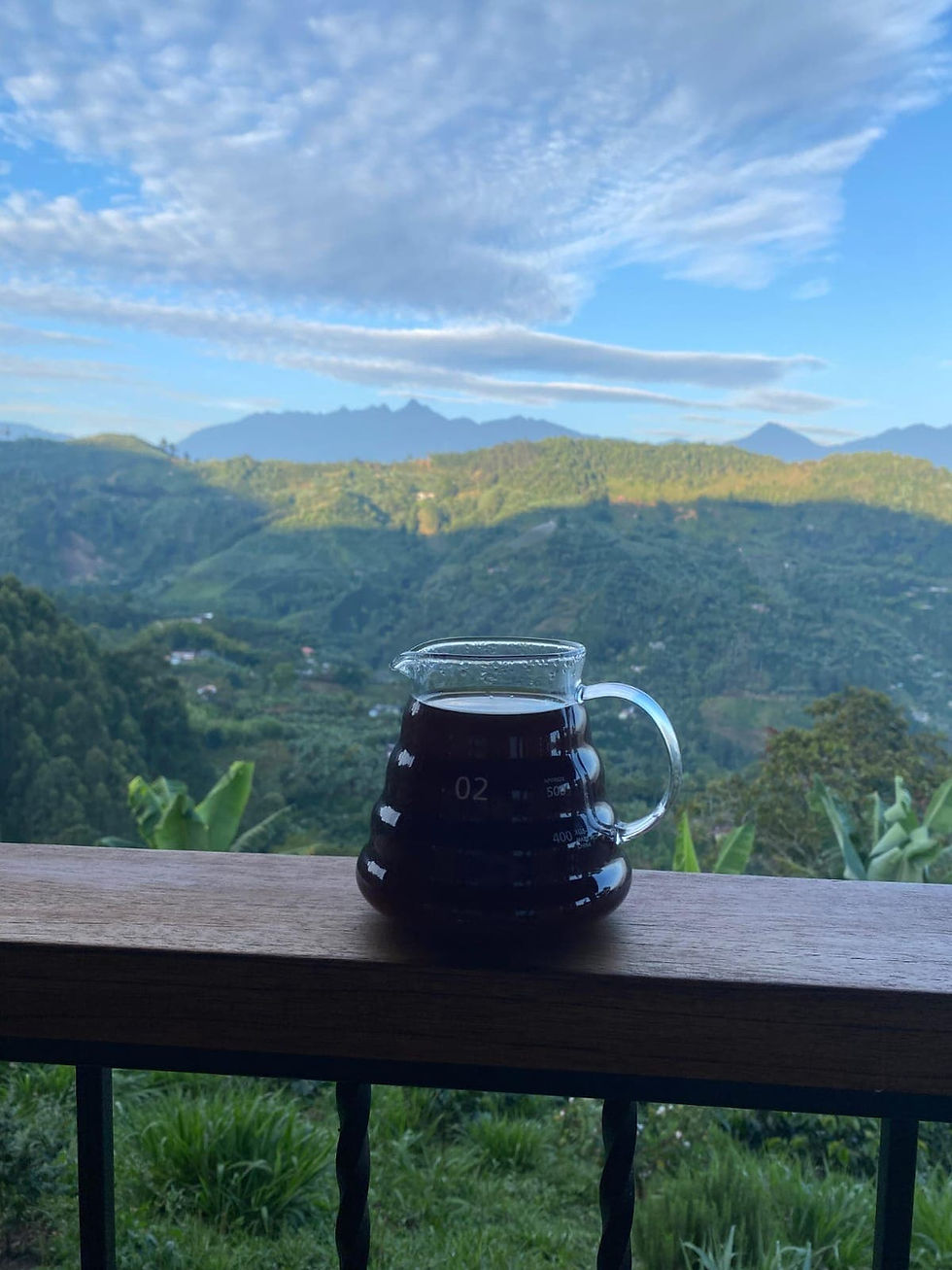
The allure of the Colombian landscape draws individuals from across the globe who choose to put down roots or diversify their wealth by securing a slice of this beautiful country. From the rolling green mountains of Antioquia to the vibrant colonial streets of historic towns, purchasing real estate here is an exciting venture. Many buyers look into options like FarmsForSaleInColombia or browse historic estates with dreams of entering a booming market. But what happens after the closing paperwork is signed, the keys are handed over, and you board a flight back to your home country?
Leaving a property unattended in a foreign nation introduces a distinct set of responsibilities, legal obligations, and management challenges. For those who choose to InvestInColombia, understanding the operational and regulatory reality of being an absent owner is the difference between a seamless, profitable venture and a stressful logistical headache. When you navigate this process with new perspectives, expert skills, and specialized teams, you position yourself to protect your wealth and maximize your peace of mind. What Happens When You Buy Property in Colombia and Leave?
The Immediate Legal and Tax Reality for Absentee Owners
The moment you finalize BuyingPropertyInColombia and leave the country, your legal relationship with the nation shifts from that of a visitor or temporary resident to that of an international property owner. The Colombian government treats foreign property owners with high regard, offering identical property rights to citizens. However, distance does not absolve you from local obligations.
Understanding Tax Residency and the Rolling Window
One of the most critical concepts for any international buyer is the distinction between a tax resident and a non-resident. In Colombia, this status is determined by physical presence rather than the type of visa you hold. If you spend more than 183 days in the country within any rolling 365 day window, you automatically become a Colombian tax resident.
When you leave the country and remain abroad for the majority of the year, you are classified as a non-resident for fiscal purposes. This classification is highly beneficial because non-residents are only liable for taxes in Colombia on income derived directly from Colombian sources, such as rental income from your property. You will not have to declare your global income or assets to the local tax authority, the Dirección de Impuestos y Aduanas Nacionales.
Local Property Taxes and Annual Obligations
Even if you are thousands of miles away, your real estate remains subject to annual local taxation. The primary tax is the Impuesto Predial Unified Property Tax, which is assessed annually by the local municipality.
The rate varies depending on the location, size, and classification of the land, generally ranging between 0.4 percent and 1.2 percent of the municipal assessment value. Municipalities usually issue these tax bills early in the calendar year, offering significant discounts if paid in full during the first few months. As an absentee owner, you must establish a system to receive these statements digitally and pay them through local online banking networks to avoid steep penalties and interest charges.
Managing the Physical Structure and Land from Afar
Real estate is a physical asset that requires active oversight. In a tropical and varied climate like that of the Antioquia region, leaving a home or a piece of land completely unattended for months at a time can lead to rapid deterioration.
The Impact of Climate and Environment
Whether you have purchased a modern apartment or looked into a FincaForSaleInColombia, the local environment will interact with your property constantly. In high altitude, lush areas like the coffee axis or the mountains surrounding Medellin, moisture and humidity are persistent factors.
Without proper ventilation, closed homes can develop issues with mold, dampness, and localized water damage from unexpected tropical downpours. Leaving the property without someone to inspect the roof, clear gutters, and air out the interior spaces can turn minor maintenance issues into costly structural repairs by the time you return.
Agricultural Oversight for Cultivated Land
For investors who purchase specialized rural properties, such as those searching for a CoffeeFarmForSaleInColombia or looking into general ColombianLandForSale, the management needs increase substantially. Cultivated land cannot simply be left to sit. Coffee crops require precise fertilization schedules, pest management, harvesting timelines, and constant weeding.
If you purchase CoffeeFarmsForSaleInColombia or a similar estate and leave the country without an active management structure, the land will quickly revert to wild brush, ruining the productivity of the crops and significantly lowering the value of your asset. Managing these properties requires a dedicated, trustworthy local administration team that understands the specific agricultural nuances of the region.
Structuring Remote Property Administration
To successfully own real estate in Colombia while living abroad, building a reliable local operational structure is non-negotiable. Attempting to handle individual issues from another time zone through messaging apps will eventually lead to frustration.
The Role of Professional Property Management
For urban condos or homes located within managed communities, hiring a professional property management company is the most efficient choice. These companies act as your local proxy, handling everything from paying monthly administration fees and utility bills to coordinating routine maintenance and cleaning.
If your goal is to generate rental income while you are away, these firms manage the entire guest lifecycle, including marketing, check-ins, security deposits, and emergency repairs. Utilizing specialized teams ensures that your property remains pristine and compliant with local residential complex regulations.
The Mayordomo System for Rural Estates
If your investment involves a rural estate or an expansive piece of land, the standard management model changes. In Colombia, rural properties are traditionally overseen by a live-in caretaker known as a mayordomo.
The mayordomo resides in a separate smaller dwelling on the property and is responsible for daily security, landscaping, livestock care, and basic maintenance. While this system is highly effective and essential for keeping rural properties secure and operational, it introduces local labor law obligations. As the owner, you become a formal employer in Colombia, meaning you must ensure your caretaker receives legal wages, social security contributions, healthcare benefits, and severance allocations according to Colombian law. Working with experienced administrative professionals helps ensure this relationship is structured correctly, avoiding future labor disputes.
Financial and Exchange Control Compliance
Colombia maintains a regulated financial system with strict oversight on foreign currency exchange. Managing the financial side of your property from abroad requires adherence to specific protocols established by the central bank, the Banco de la República.
Maintaining Your Foreign Investment Registration
When you initially bring capital into the country to purchase real estate, the transaction must be properly registered as Foreign Direct Investment using specific exchange forms. This step is foundational.
If you leave the country and eventually decide to liquidate your asset, having a clean, continuous record of registered foreign investment is what allows you to legally repatriate your capital back to your home country. Furthermore, if you ever intend to use your property purchase to qualify for a Colombian Investor Visa, maintaining this registration is a strict legal prerequisite.
Handling Ongoing Expenses and Inbound Revenues
Paying for utilities, property taxes, insurance, and local staff requires a reliable financial pipeline. Most international owners maintain a local Colombian bank account for this purpose.
When you send funds from abroad to cover property expenses, those funds must be processed through the official exchange market. Similarly, if your property generates income, those revenues must be reported properly on an annual tax return for non-residents. Working with skilled bilingual accountants ensures that your financial footprints remain fully compliant with both exchange regulations and national tax laws.
Security, Community Integration, and Peace of Mind
A common concern for individuals who invest in international real estate is the security of their asset when they are not physically present. Ensuring your property remains safe and respected within the local community involves both physical technology and social integration.
Modern Physical Security Infrastructure
For properties left vacant for extended periods, investing in modern security infrastructure provides immense peace of mind. Implementing smart home technology, including high-definition security cameras with cloud storage, remote-controlled alarm systems, and smart locks, allows you to monitor your property in real time from any smartphone globally. Reliable high-speed fiber internet is increasingly available across towns in Antioquia, making remote monitoring straightforward and highly effective.
The Value of Local Community Relations
Beyond technology, the greatest security asset you can have is a positive relationship with your neighbors and the local community. In Colombian culture, community ties are incredibly strong.
Ensuring that your property management team or caretakers interact respectfully with local residents, participate in neighborhood associations, and support local businesses builds a network of goodwill.
When your neighbors know who you are and respect your presence in the region, they become natural guardians of your property, keeping an eye out for unusual activity and keeping your team informed of any regional matters that might affect your estate.
Unlocking Regional Potential with the Right Partner
The process of purchasing property and managing it from afar becomes exponentially smoother when you focus on regions that combine robust local infrastructure, high lifestyle appeal, and a welcoming community framework. The southwest region of Antioquia has emerged as a premier destination for discerning buyers looking for authentic charm paired with strong long-term fundamentals.
The Unique Appeal of the Southwest
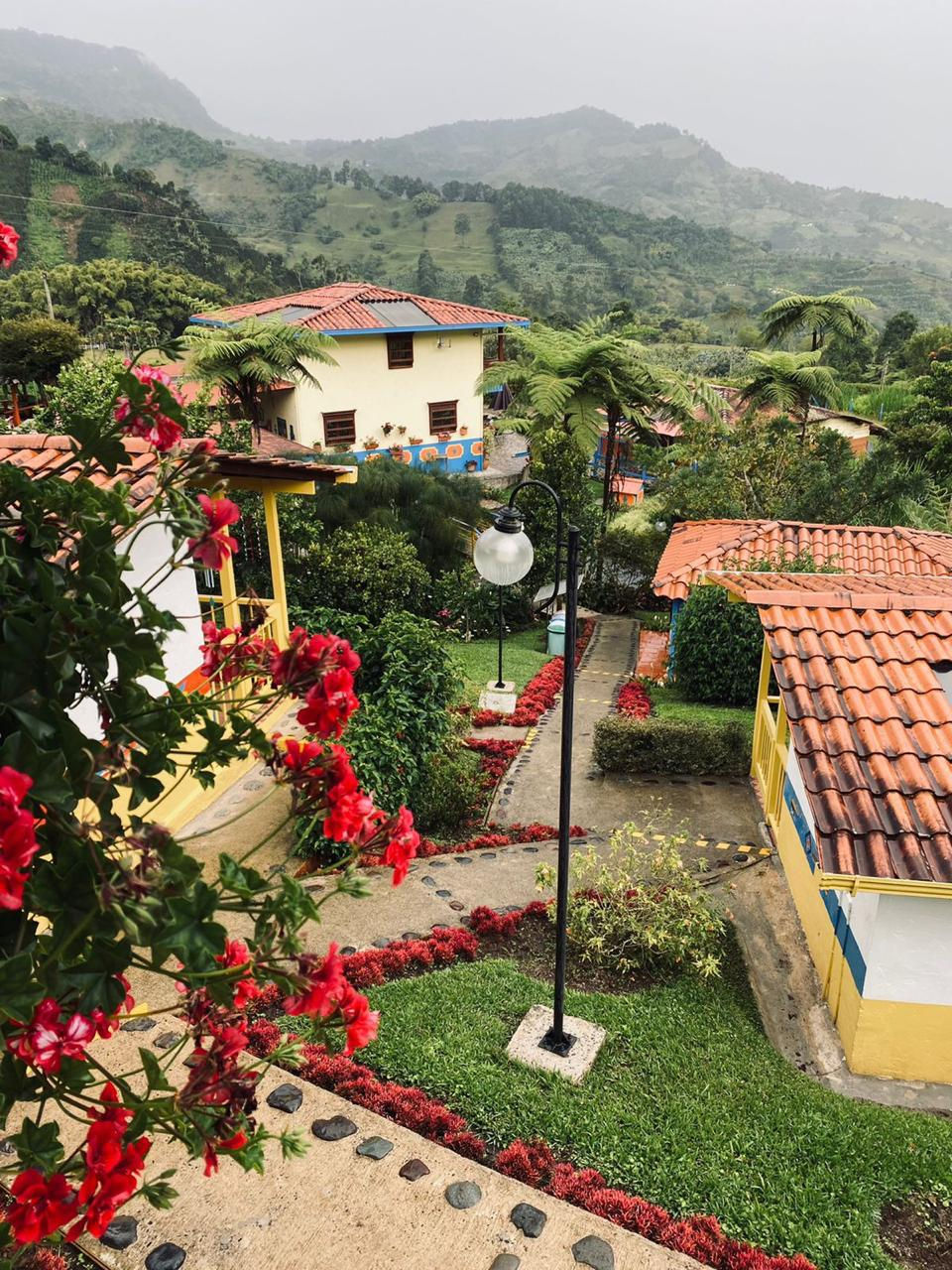
Towns nestled in the green valleys of Southwest Antioquia offer an ideal setting for international property ownership. The perfect balance of altitude provides a pleasant climate that naturally reduces the heavy wear and tear associated with harsher tropical environments.
The region boasts a rich agricultural heritage, making it a prime location for those seeking a CoffeeFarmsInColombiaForSale or an expansive country retreat. The steady influx of cultural tourism and eco-conscious travelers ensures that properties configured for short-term accommodation enjoy steady demand, allowing owners to keep their assets productive throughout the year.
Leveraging Specialized Marketing and Management
Successfully navigating the market requires more than just finding a beautiful piece of land; it requires an ongoing partnership with experts who understand how to present, protect, and optimize that asset. For individuals looking to maximize their reach or businesses searching for outsourced marketing services to elevate their real estate ventures, having access to advanced skills makes all the difference.
At our platform, we help businesses achieve greater returns by utilizing dedicated professionals who understand digital positioning, localized property management, and investor relations. Whether your interest lies in the colonial charm of town centers or the expansive vistas of rural mountains, having an established team on the ground ensures your property is actively cared for, legally protected, and financially optimized while you are away.
Conclusion
Purchasing real estate in Colombia and returning to your home country is a highly viable and potentially rewarding strategy, provided you approach the operational reality with clarity and structure. By understanding your tax status as a non-resident, implementing a robust property management or caretaking system, and maintaining strict compliance with foreign exchange regulations, you can ensure your asset remains secure and appreciates over time.
The key to long-term success as an absentee owner lies in removing guesswork from the equation. Entrusting the daily oversight, legal compliance, and strategic positioning of your asset to an expert team allows you to enjoy the benefits of international property ownership without the stress of managing the distance alone. If you are ready to explore the market or need dedicated assistance to oversee your investments, visit our platform at https://www.jardincolombiarealestate.com to discover how our specialized teams can support your journey.
Frequently Asked Questions
Can I legally rent out my Colombian property while I am living abroad?
Yes. You can legally rent out your property to generate income while you are away. However, you must ensure that your property complies with local zoning laws and building regulations, particularly regarding short-term rentals, which often require registration with the National Tourism Registry. You will also need to file an annual tax return in Colombia to report this income as a non-resident.
What happens if a utility bill is missed while I am away?
Missing utility payments in Colombia can lead to a relatively rapid suspension of services, often after just two consecutive missed billing cycles. Reconnection can take several days and requires the payment of penalties. To prevent this, most absentee owners arrange automatic payments through a local bank account or delegate utility management to a professional property manager.
Do I need a specific visa to buy property and leave it unattended?
No. You do not need a residential or long-term visa to buy real estate in Colombia. You can purchase property using a standard tourist entry permit. Owning property does not require you to remain in the country, and you are free to leave the asset unattended or managed by a third party for as long as you wish.
How are capital gains handled if I sell the property later as a non-resident?
If you hold the property for more than two years, the profit from the sale is classified as a ganancia ocasional occasional gain, which is subject to a flat 15 percent tax rate. If the property is sold less than two years after purchase, the profit is taxed as ordinary income. Ensuring your initial investment was properly registered with the central bank is critical for smooth repatriation of these funds.
Can a local property manager legally sign documents on my behalf?
A property manager can handle day-to-day administrative tasks, but they cannot legally sign deeds, sell the property, or enter into long-term lease agreements on your behalf unless you grant them a formal power of attorney. This legal document, known as a poder, must be drafted correctly, notarized, and apostilled if signed outside of Colombia, specifying the exact powers you wish to delegate.
What is the wealth tax threshold for non-resident property owners?
Colombia levies an equity or wealth tax on individuals whose net wealth within the country exceeds a specific threshold defined in Tax Value Units. For non-residents, this tax applies only to the net value of their Colombian assets minus any local liabilities. If your property value sits comfortably below the established threshold, which generally equates to significant values nearing one million US dollars depending on annual adjustments, you are entirely exempt from this obligation.
FarmsForSaleInColombia #Colombia #JardinColombia #InvestInColombia #ColombianCoffeeFarmsForSale #ColombianLandForSale #ColombianCoffeeFarmsForSale #CoffeeFarmsForSaleColombia #CoffeeFarmForSaleColombia #CoffeeFarmsInColombiaForSale #FincaForSaleColombia #InvestInColombiaRealEstate #BuyingPropertyInColombia #Colombia


Comments