The 2026 Guide to the Colombian Digital Nomad Visa and Property Ownership
The 2026 Guide to the Colombian Digital Nomad Visa and Property Ownership
The concept traditional of a workspace has completely dissolved over the last few years. Around the globe, high-earning professionals, creative innovators, and tech pioneers have broken free from physical corporate offices, seeking instead destinations that offer profound quality of life, cultural richness, and robust economic opportunity. Colombia has emerged as an undisputed leader in this global shift. Through strategic legislative updates and deliberate infrastructure development, the country has positioned itself as the premier hub for remote workers in Latin America.
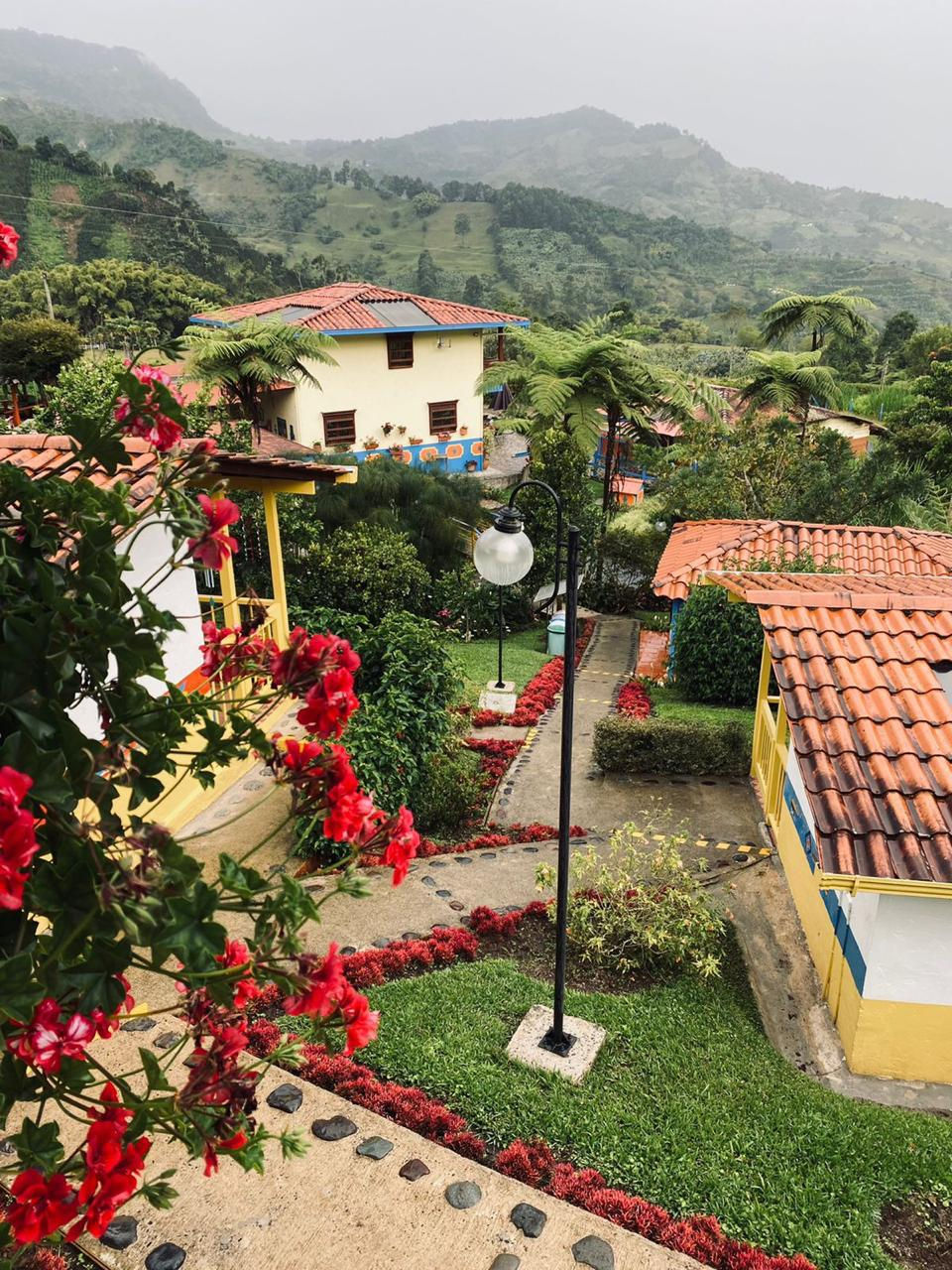
For many international remote professionals, the journey begins with the simple desire for geographical independence. Yet, as they experience the dramatic green peaks of the Andes, the warmth of the local communities, and the remarkably low cost of a premium lifestyle, a common evolution occurs. The temporary visitor transforms into a long-term investor. The question shifts from how to extend a tourist stay to how to plant permanent roots, secure long-term legal residency, and acquire a piece of this breathtaking topography.
This comprehensive guide breaks down the strategic intersection between the digital nomad framework and real estate acquisition. By understanding how to navigate both the legal pathways of residency and the property markets simultaneously, remote professionals can unlock an unparalleled lifestyle while securing a tangible, highly stable asset in one of the most dynamic property environments in the world. The 2026 Guide to the Colombian Digital Nomad Visa and Property Ownership
The Regulatory Landscape of the Digital Nomad Visa
Colombia introduced its specialized visa framework for remote work to attract global talent, and the system has undergone significant refinement to ensure maximum processing efficiency and clarity. Formally known as the V Digital Nomad Visa, this regulatory pathway is tailor-made for individuals who render services remotely to corporations located outside of Colombian national territory, or for entrepreneurs launching digital startups whose primary market exists abroad.
Eligibility and Financial Parameters
The core philosophy of this visa is straightforward: the government welcomes your presence and local economic consumption, provided your income originates entirely from foreign sources. To qualify, an applicant must demonstrate a stable, independent financial stream. The minimum financial threshold is tied directly to the national minimum wage, which is adjusted annually by the government.
Applicants must prove a steady monthly income over the preceding three months equivalent to at least three times the current legal monthly minimum wage. This requirement ensures that incoming remote workers possess substantial purchasing power within the local economy. The documentation process requires clean, unaltered bank statements, a formal letter from the foreign employer verifying remote operational status, or corporate registration documents if the applicant operates their own independent digital enterprise.
Duration, Scope, and Intent
The visa is typically granted for a duration of up to two years. It provides the holder with a national foreigner identification card, known as a cédula de extranjería, which unlocks the ability to open local bank accounts, sign long-term lease agreements, secure high-speed internet contracts, and move seamlessly through the country.
One critical nuance of this specific visa framework is its strict prohibition on local employment. Holders are expressly forbidden from rendering professional services to, or receiving a salary from, entities registered within Colombia. The framework is designed strictly for consumption and investment within the country, funded by foreign-earned capital. For professionals who fall in love with the region and wish to transition into local business operations, alternative visa categories, such as the business or investor migrant pathways, must be pursued.
Transitioning from Nomad to Property Investor
While the remote work framework offers an exceptional gateway to experience the country, it operates on a temporary timeline. For remote professionals who recognize the immense growth potential of the region, transitioning from a temporary resident to a property owner is the logical next step. Acquiring real estate is not merely a lifestyle upgrade; it is a highly recognized mechanism under national law for securing multi-year legal residency status.
The Investor Visa Pathway
Colombia actively encourages foreign direct investment through a structured path that turns property purchases into permanent legal status. If a foreign national purchases real estate with a value that meets specific macroeconomic benchmarks, they become eligible to apply for a Real Estate Investor Migrant (M) Visa.
+-------------------------------------------------------------------+
|               THE DUAL PATH OF RESIDENCY AND OWNERSHIP            |
|                                                                   |
|   PHASE 1: THE ENTRY              PHASE 2: SECURING THE ASSET     |
|   - V Digital Nomad Visa          - Property Selection            |
|   - Up to 2-Year Duration         - Inbound Capital Registration  |
|   - Foreign Sourced Income Only   - Legal Title Search            |
|                                                                   |
|   PHASE 3: LONG-TERM RESIDENCY                                    |
|   - Migrant (M) Investor Visa                                     |
|   - Value tied to Minimum Wage (350x multiplier)                  |
|   - Pathway to Permanent Resident (R) Status                      |
+-------------------------------------------------------------------+
The minimum investment threshold for the Investor Migrant Visa is explicitly set at three hundred and fifty times the official monthly minimum wage. Because this figure scales automatically alongside national wage adjustments, the exact capital requirement in foreign currency fluctuates based on exchange rates, making it highly advantageous for individuals holding strong international currencies.
When a property purchase clears this established threshold, the investor can pivot out of the temporary restrictions of the nomad framework. The M Investor Visa is typically granted for three years and can be renewed indefinitely, provided the investment asset is maintained. Furthermore, after holding Migrant status continuously for five years, the investor becomes eligible to apply for the Resident (R) Visa, which provides unconditional permanent residency and a direct path toward naturalized citizenship.
Strategic Asset Allocation and Diversification
For an international remote professional, allocating capital into tangible land provides an excellent hedge against global financial volatility. The real estate market presents a unique dual opportunity: capital appreciation driven by infrastructure expansion and tourism growth, combined with the personal utility of a magnificent lifestyle estate or production farm.
By diversifying a portfolio out of purely digital assets or traditional stock markets and moving it into physical territory, investors secure a fundamental footing in a rapidly developing economy. The Antioquia region, with its dramatic mountain topographies and stable climate, has become a prime target for sophisticated buyers looking to maximize the tangible impact of their international capital.
Demystifying the Property Acquisition Process
Purchasing property in a foreign nation can feel complex, but the legal framework governing real estate transactions is highly structured, transparent, and protective of foreign buyers. Foreign nationals enjoy the exact same constitutional property rights as native citizens; there are no restrictions on owning land near borders, coastlines, or within rural agricultural zones. However, executing a flawless transaction requires strict adherence to a specific sequence of legal and financial steps.
The Critical Nature of the Title Search
The absolute foundation of any secure real estate transaction is the formal title search, known locally as the estudio de títulos. Every single registered parcel of land in the country possesses a unique identification document called a Certificado de Libertad y Tradición. This document acts as a complete, chronological biography of the property.
A specialized legal team must obtain a fresh copy of this certificate, which must be less than thirty days old, to meticulously analyze the historical chain of ownership for the preceding twenty years. The title search verifies several critical parameters:
Ownership Verification: It confirms that the individual selling the property is the sole, absolute legal owner and possesses the unrestricted right to transfer the title.
Lien Check: It ensures the land is entirely free from mortgages, tax liens, judicial lawsuits, or family patrimony encumbrances that could freeze the transfer.
Civil and Fiscal Compliance: It verifies that all municipal property taxes, known as the impuesto predial, have been paid in full up to the exact date of the transaction closing.
Navigating the Promise to Purchase Contract
Once the title search confirms the property is legally clean, the parties proceed to execute the Promesa de Compraventa. This is a binding legal contract that outlines every single condition, timeline, payment structure, and penalty associated with the transaction.
The document specifies the exact purchase price, the breakdown of the down payment, the dates for subsequent capital transfers, and the precise day the physical possession of the property will be handed over. It also includes standard penalty clauses, typically set at ten or twenty percent of the total transaction value, which apply if either the buyer or seller defaults on their obligations. This contract is signed by both parties and formally recognized at a local public notary, creating a firm legal framework that protects the incoming buyer's capital.
Mastering Inbound Capital Flows and Compliance
One of the most critical steps where independent international buyers face friction is the physical movement of capital into the country. The central bank, known as the Banco de la República, maintains rigorous foreign exchange controls designed to monitor macro capital inflows and prevent illicit financial activities. Full compliance with these exchange regulations is entirely non-negotiable, especially if the buyer intends to use the property purchase to qualify for an investment visa later on.
+---------------------------------------------------------------------+
|                  THE MONETARY REGISTRATION PIPELINE                 |
|                                                                     |
|  [Foreign Bank Account]   -> International Wire Transfer            |
|  [Local Brokerage/Bank]   -> Mandatory Monetization Process         |
|  [Exchange Declaration]   -> Direct Foreign Investment Registration |
|  [Banco de la República]  -> Formal Central Bank Certification      |
+---------------------------------------------------------------------+
The Monetization Process and Mandatory Forms
Every single dollar, euro, or international currency unit used to purchase real estate must enter the country through a designated exchange market intermediary, which is typically a major national commercial bank. Capital cannot simply be deposited into a standard account; it must undergo a formal process called monetization.
During monetization, the foreign currency is converted into the local currency at the official market exchange rate of that specific day. Simultaneously, the buyer must file a specific exchange declaration form, historically referred to as Form Number Four. This document explicitly registers the incoming capital as Foreign Direct Investment destined for real estate. Failing to file this form correctly means the central bank views the transfer as a standard, generic remittance. Without the correct registration, the Ministry of Foreign Affairs will summarily reject any future investor visa applications, rendering the capital useless for residency purposes.
Managing Deed Expenses and Closing Costs
Purchasing real estate involves a clear set of notary fees and closing expenses that are traditionally split between the buyer and the seller according to established local customs. Understanding these friction costs allows investors to budget with absolute precision.
Total closing costs generally equate to approximately four to five percent of the formal deed value of the property. Notary fees, which cover the physical drafting and validation of the public deed, are split equally, fifty-fifty, between the buyer and the seller. The state registration taxes, known as the Impuesto de Registro, along with the formal fees required to update the public instruments registry office, are traditionally the sole responsibility of the buyer. Conversely, the withholding tax resulting from the sale is paid exclusively by the seller. Working with an experienced team ensures these costs are calculated down to the penny, preventing last-minute financial disputes at the notary table.
Infrastructure, Connectivity, and the Remote Work Reality
The viability of executing a long-term investment strategy while maintaining a global digital career relies entirely on practical infrastructure. A breathtaking mountain view quickly loses its appeal if a professional cannot connect to a critical corporate video call or manage a server deployment in real time. Fortunately, regional infrastructure has undergone a massive modernization campaign.
The High-Speed Connectivity Transformation
The arrival of advanced satellite internet networks has completely rewritten the rules of rural property ownership. Historically, remote workers were tightly restricted to major urban centers to guarantee stable connectivity. Today, the most remote mountain ridges and agricultural valleys enjoy uninterrupted, low-latency access to the global digital network.
With download speeds consistently clearing substantial thresholds, remote professionals can effortlessly manage massive data transfers, stream high-definition content, and participate in complex collaborative environments right from the corridor of a traditional country home. This technological liberation has sparked a significant migration of capital out of congested urban high-rises and directly into prime rural acreage.
Proximity, Logistics, and Accessibility
Another major factor driving investment within the department of Antioquia is its exceptional geographical positioning and transportation logistics. The region is anchored by the José María Córdova International Airport, which serves as a major continental travel hub.
+--------------------------------------------------------------------+
|                    REGIONAL ACCESSIBILITY TIMELINE                 |
|                                                                    |
|  - North American Hubs     -> 3 to 5 Hour Direct Flight            |
|  - Rionegro Int. Airport   -> Direct Continental Connection Hub    |
|  - Modern Highway Networks -> Seamless Transit to Rural Enclaves   |
+--------------------------------------------------------------------+
With direct, non-stop flights connecting to major international transit points such as Miami, Fort Lauderdale, New York, Panama City, and Lima, a remote professional can easily travel from their mountain estate to a corporate headquarters in North America within a single day. Furthermore, the massive investment in national highway systems, including extensive tunnel networks through the Andes, has drastically reduced driving times between the peaceful rural enclaves and the urban amenities of the capital city.
Agriculture as an Active Asset: The Appeal of Managed Land
As buyers explore the countryside, they quickly discover that the most exceptional properties are often active agricultural estates rather than simple residential lots. Owning property that actively produces coffee, citrus fruits, or cacao introduces a highly rewarding layer of investment that blends lifestyle with traditional commerce.
Navigating Microclimate Advantages
The mountain landscapes surrounding historic towns sit within a highly coveted geographical sweet spot. At elevations ranging between fourteen hundred and two thousand meters, these lands experience a permanent temperate climate, completely eliminating the need for artificial heating or air conditioning systems.
This exact altitudinal band creates the highly specific microclimates required to cultivate premium specialty coffee. The warm equatorial sun combined with cool mountain nights slows down the development of the coffee cherry, allowing complex sugars to concentrate within the seed. For an investor, acquiring land within this specific agricultural belt means purchasing an asset that possesses inherent, globally recognized production value.
The Rise of Managed Agriculture
The primary hesitation for many digital nomads considering an agricultural purchase is the obvious realization that they are professional designers, developers, or corporate executives, not full-time farmers. Running an active coffee cultivation requires sophisticated agronomic knowledge, constant soil analysis, seasonal labor coordination, and complex processing logistics.
This operational reality has catalyzed the growth of managed agriculture and professional property administration. Smart international buyers no longer attempt to run these intricate systems on their own. Instead, they partner with established local management organizations that oversee the daily agricultural operations. These specialized teams handle everything from soil fertilization schedules and pest control to hiring seasonal pickers and processing the final harvest at the wet mill. This allows the remote professional to enjoy the prestige and beauty of owning a productive farm without the operational logistics stress.
Cultural and Community Integration
Securing a legal visa and completing a property transaction are essential mechanics, but the true success of any relocation or long-term investment strategy is determined by the depth of integration into the local community. The social fabric of rural Colombia is deeply rooted in mutual respect, historical pride, and a legendary tradition of hospitality.
The Social Fabric of the Pueblo Patrimonio
Enclaves designated as heritage towns are not merely tourist destinations; they are living cultural treasures. By being part of the nation's official network of heritage towns, the municipalities have preserved their architectural identity, traditional artisanal crafts, and deep community bonds.
+-----------------------------------------------------------------+
|                  COMMUNITY INTEGRATION PRINCIPLES               |
|                                                                 |
|  - Active Spanish Language Acquisition                          |
|  - Economic Support of Local Artisans and Small Businesses      |
|  - Strict Adherence to Legal Employment for Property Staff       |
|  - Collaborative Civic Participation in Municipal Projects      |
+-----------------------------------------------------------------+
For an international investor, entering this environment requires a mindset of humility and collaboration. Integration is significantly enhanced by making a dedicated effort to learn and communicate in Spanish, actively supporting local independent businesses, and participating in town traditions. Unlike the isolation often experienced in massive global metropolises, living in a heritage town offers a unique chance to become part of a supportive, interconnected society where neighbors genuinely know and look out for one another.
Establishing Just Labor Practices
As a property owner, your most direct connection to the local community will be through the individuals who help maintain your estate. The most critical role is that of the resident caretaker, known locally as the mayordomo. This individual or family resides on the property, managing daily security, facilities maintenance, and agricultural tasks.
Operating with absolute integrity within the local labor framework is paramount. It is vital to ensure that your property management strategies include paying fair wages that meet or exceed national legal standards, full enrollment in the social security system, and providing clean, dignified housing. Treating your local team with the highest degree of respect not only guarantees the security and pristine upkeep of your asset while you travel, but it also solidifies your position as a welcome, valued member of the regional community.
Conclusion
The convergence of remote work flexibility and structured foreign investment frameworks has opened a historic window of opportunity for global professionals. The digital nomad visa serves as an exceptional, low-friction entry point to experience the incredible lifestyle, culture, and natural beauty of the country. However, the true magic occurs when a remote professional takes the deliberate step to transition from a temporary visitor to a permanent property owner.
Investing in real estate across the spectacular landscapes of Antioquia provides far more than a physical residence. It establishes a clear, legally recognized pathway to long-term residency, offers a powerful diversification strategy into tangible assets, and connects the investor to an active, enriching lifestyle that balances cutting-edge digital careers with timeless agricultural traditions.
Achieving this transition seamlessly requires moving away from isolated, unassisted efforts and aligning instead with professional networks that bring specialized skills, fresh perspectives, and dedicated expertise. By leveraging the insights of established local professionals, investors can confidently navigate exchange market compliance, execute flawless title searches, and implement efficient hands-off management strategies for their farms.
FAQs
Can I legally buy property while holding a standard digital nomad visa?
Yes, holding a digital nomad visa does not restrict your property ownership rights. Any foreign national can legally purchase real estate within the national territory regardless of their current visa status, as foreign citizens share the exact same constitutional property rights as native citizens. The purchase process remains identical, requiring a thorough title search, an authenticated promise to purchase contract, and the formal registration of the public deed.
How does purchasing a property help me transition to a long-term residency visa?
If your property acquisition meets or clears the financial threshold of three hundred and fifty times the official monthly minimum wage, you become eligible to apply for the Real Estate Investor Migrant Visa. This specific pathway provides a multi-year residency status that can be renewed indefinitely, completely independent of any remote employment contracts, and opens a structured path toward permanent residency after five continuous years.
What is the monetization process, and why is it so critical for foreign buyers?
Monetization is the formal process of transferring international currency into the national banking system through an authorized intermediary, where it is converted into local pesos. During this transfer, the buyer must file an explicit exchange declaration to register the funds as a Direct Foreign Investment. This step is absolutely mandatory; if the capital is not registered correctly with the central bank, it cannot be used to support a future investor visa application.
What are the typical annual holding costs for a rural property or farm?
Ongoing holding costs are remarkably low compared to international standards. The primary fixed expenses include the annual unified property tax, which is based on an official government appraisal that is usually well below commercial market value, along with monthly rural utility fees for water associations and electricity. If you choose to connect high-speed satellite networks, that introduces a flat, predictable monthly operating fee.
Do I need to live in Colombia full-time to maintain my real estate investor visa?
The Investor Migrant Visa offers immense flexibility, as it does not require continuous, uninterrupted physical presence within the country to remain valid. However, to keep the visa active, you must not remain entirely outside the national territory for more than six consecutive months within a single visa cycle. This framework makes it an ideal structure for digital nomads and global professionals who travel frequently throughout the year.
How can I effectively manage an active coffee farm if I travel internationally?
The modern property market relies heavily on professional property management and managed agriculture services. International owners routinely utilize specialized local management teams to handle the daily operations of their estates. These professional organizations oversee the resident caretakers, manage agronomic schedules, coordinate harvest labor, and process crops, ensuring your asset is run efficiently while you work remotely or travel.
Are there specific restrictions on using credit cards or foreign accounts for property closings?
You cannot transfer funds directly from a foreign credit card or a standard offshore bank account to a property seller to finalise a real estate transaction. Every single peso used for a property closing must flow through a formal inbound bank account via the registered monetization process to comply with strict central bank exchange regulations. All final closing payments are typically executed using certified local bank checks or official domestic wire transfers.
Your Strategic Partner for Exceptional Properties in Jardín
If you are ready to transform a remote lifestyle into a secure, high-yielding real estate asset, our platform stands as your premier destination to find FarmsForSaleInColombia. We specialize in curating the most exclusive estates across the region, offering a portfolio that spans magnificent heritage townhomes, high-altitude production farms, and pristine rural land perfectly suited for sustainable architectural development.
We are deeply passionate about showcasing the unique allure of #Colombia, focusing our efforts on the historic, mountain-framed landscapes of #JardinColombia. For visionary buyers looking to #InvestInColombia, our specialized teams introduce entirely new perspectives that redefine the traditional real estate experience. We possess the expert skills required to guide you seamlessly through title searches, exchange compliance, and legal registrations, ensuring your capital is protected at every single turn.
Our commitment to your success extends far beyond the initial transaction. We recognize that modern investors require comprehensive, turnkey solutions, which is why we provide advanced outsourced marketing services and professional property management frameworks to help businesses achieve greater returns while maintaining an effortless ownership experience.
Discover the most captivating options for your next investment, including premium choices for those seeking a ColombianCoffeeFarmsForSale, an expansive ColombianLandForSale, or a select CoffeeFarmsForSaleColombia. Whether you are evaluating a specialized CoffeeFarmForSaleColombia, exploring diverse CoffeeFarmsInColombiaForSale opportunities, or searching for the ultimate FincaForSaleColombia, our team is ready to deliver unparalleled excellence.
Partner with the regional experts to maximize your footprint in InvestInColombiaRealEstate and guarantee a flawless execution when BuyingPropertyInColombia. Explore our finest listings today by visiting our official digital gateway at https://www.jardincolombiarealestate.com and take the step toward a future of security, prosperity, and natural luxury in the heart of the Andes.
For a visual overview of what it takes to transition to this beautiful region, you can watch this Colombia Digital Nomad Visa Guide which breaks down the foundational paperwork, income calculations, and practical timelines required to secure your legal status before making a permanent property investment.


