
Navigating Colombian Land Taxes, Fees, and Closing Costs Without Surprises
- Juan Valdez
- Jun 15
- 14 min read

Navigating Colombian Land Taxes, Fees, and Closing Costs Without Surprises
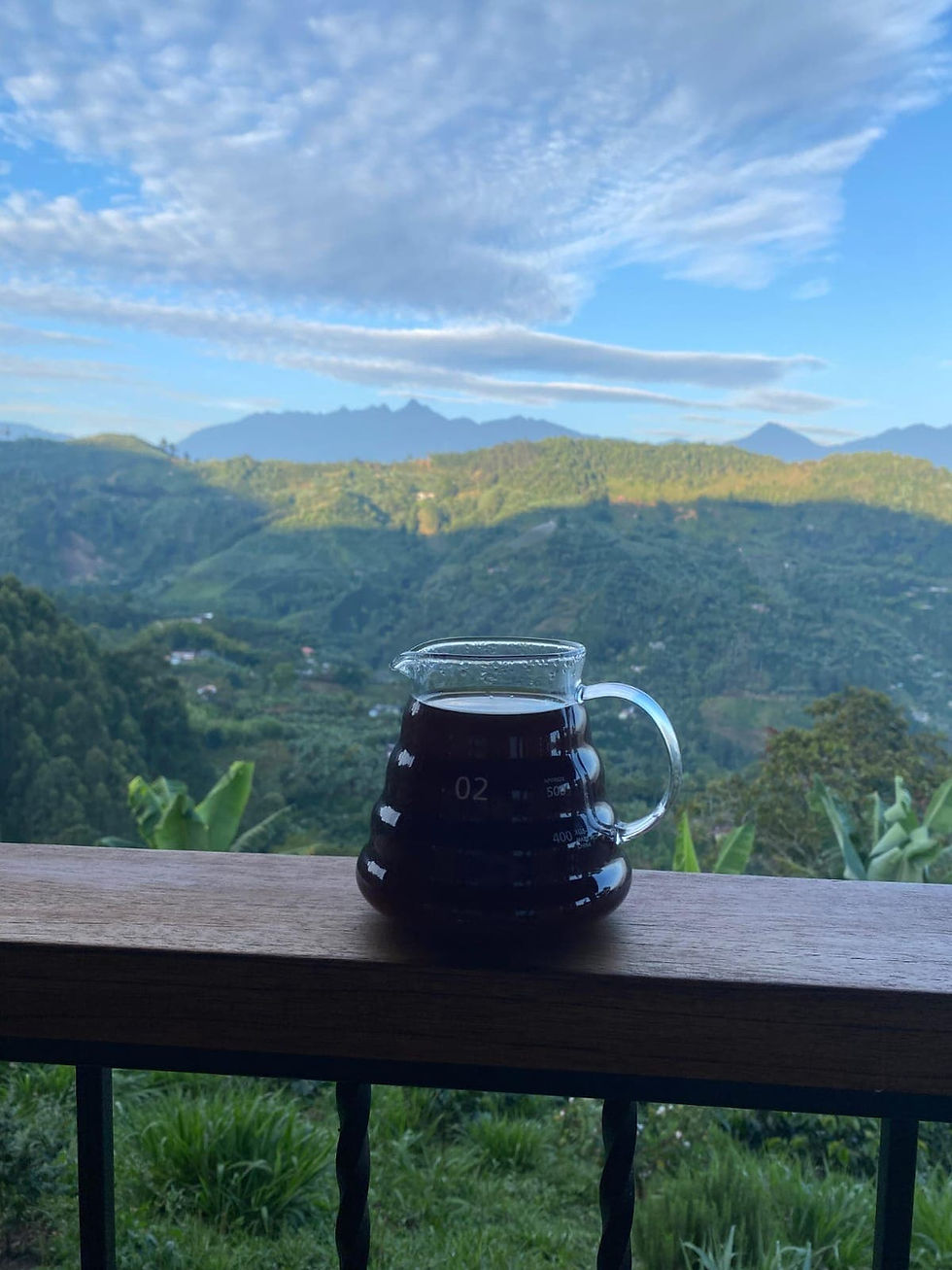
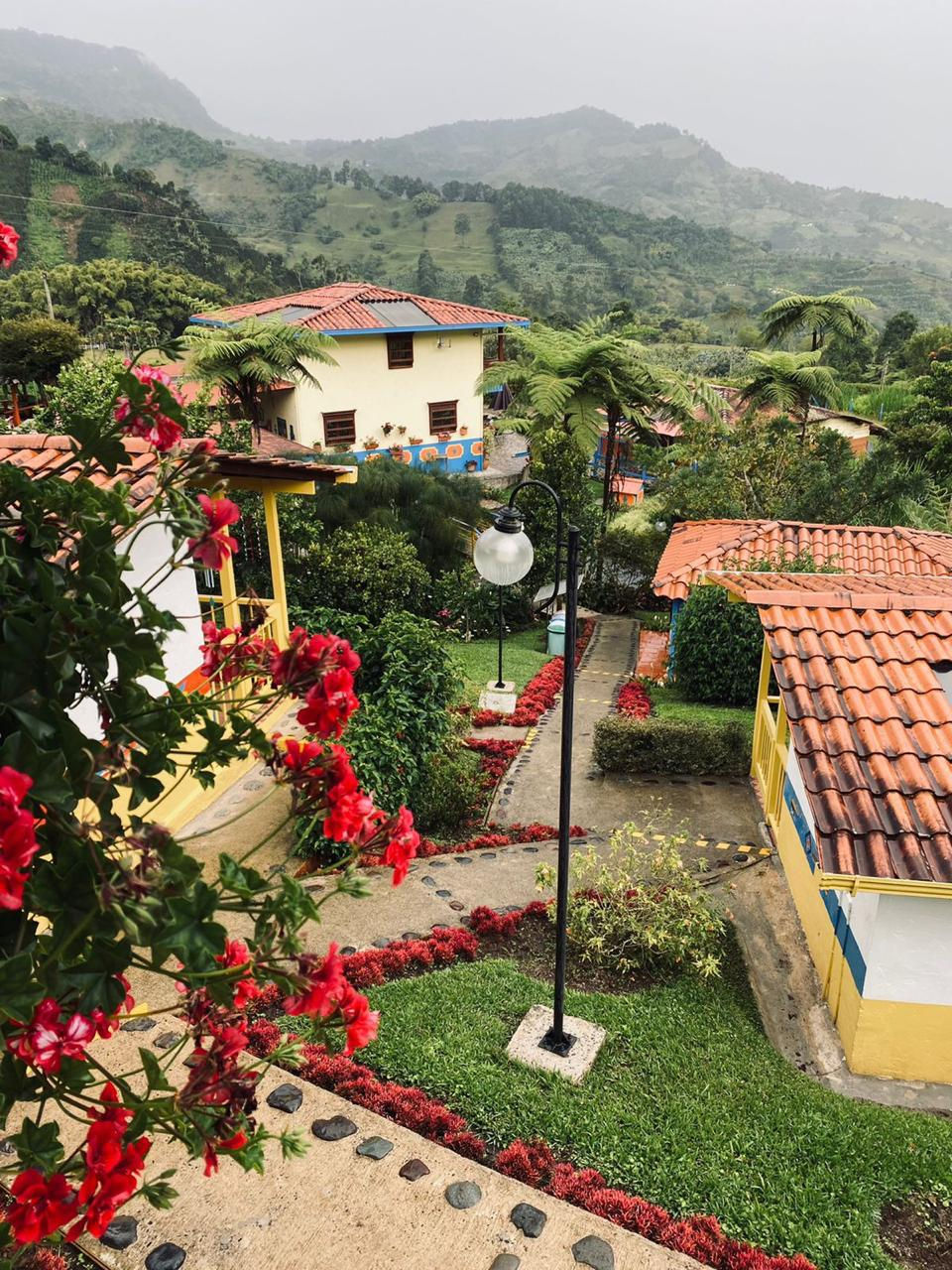
The allure of the Colombian countryside is undeniable. For many international investors, entrepreneurs, and remote professionals, the dream of owning a piece of the Andean landscape becomes a primary objective after experiencing the warmth, culture, and natural beauty of the region. From the rolling hills covered in vibrant green coffee bushes to the historic charm of heritage towns, the physical landscape offers a lifestyle change that is difficult to match anywhere else in the world.
However, making a successful move into international property ownership requires moving past the initial aesthetic appreciation and diving into the hard numbers that govern transactions. A successful purchase is built entirely on transactional clarity. Navigating a foreign legal and fiscal system can seem daunting, but when approached with structured knowledge and professional guidance, the path is entirely transparent. Understanding the breakdown of property taxes, notary fees, registration expenses, and long-term holding liabilities is the ultimate way to ensure your capital is protected and your acquisition proceeds without unexpected friction.
This comprehensive guide is designed to remove the ambiguity from the purchasing pipeline. By understanding the exact financial landscape of real estate transactions, sophisticated buyers can confidently approach the market, protect their assets, and unlock the massive potential of agricultural and residential land. Navigating Colombian Land Taxes, Fees, and Closing Costs Without Surprises
The Core Philosophy of Transactional Transparency
Every sovereign nation maintains its own unique legal traditions regarding real estate. In Colombia, the system is deeply rooted in civil law, which provides exceptionally strong protections for property owners, both native and foreign. Foreign buyers enjoy the exact same constitutional rights as citizens, meaning your ownership is absolute, protected, and fully recognized by the state.
Despite these strong protections, independent buyers often encounter surprises because they attempt to apply the transactional customs of their home countries to the local market. For instance, the concepts of title insurance, escrow accounts, and closing agents operate under completely different mechanisms here. To build a secure investment structure, buyers must understand the exact roles of the public notary, the registration offices, and the municipal tax authorities.
Achieving a seamless closing is entirely a matter of preparation. When you map out every single fee, tax, and administrative cost before signing a binding contract, you eliminate the emotional stress that frequently compromises international transactions. This systematic financial clarity transforms a complex legal process into a predictable, successful business execution.
Pre-Closing Financial Obligations and Legal Due Diligence
The financial journey of purchasing property begins long before the parties gather at the notary table to sign the final deed. The pre-closing phase involves essential legal checkpoints that require a minor but critical allocation of capital to verify the absolute health of the asset you are acquiring.
The Capital Cost of the Title Search
Before any funds are transferred to a seller, a comprehensive title search, known locally as the estudio de titulos, must be performed by a specialized legal team. This process is the single most important protective measure a buyer can take. The title search relies on the Certificado de Libertad y Tradicion, a public document issued by the Office of Public Instruments Registry that acts as the official history of the land.
The legal team will extract a fresh certificate, which must be less than thirty days old, and systematically audit every single transaction, lien, mortgage, and ownership transfer recorded over the preceding twenty years. The cost for the physical certificate itself is minimal, but the professional fees for a qualified real estate attorney to conduct the full title analysis generally range between one million and three million Colombian pesos, depending on the complexity of the property history.
Skipping this step to save a minor administrative cost is a catastrophic mistake, as the title search is what guarantees the land is entirely free from hidden judicial lawsuits, family inheritance disputes, or historic bank mortgages.
The Promesa de Compraventa and Notarization Fees
Once the title search confirms the property is legally clean, the buyer and seller execute the Promesa de Compraventa, or the Promise of Sale. This contract is the operational blueprint for the entire transaction, detailing the exact purchase price, the installment payment schedule, the specific closing date, and the penalties for default.
While the drafting of this contract is typically covered under your attorney's general fee, the physical document must be formally signed and recognized at a public notary office to establish clear legal intent. The fee for notarizing signatures and validating the identity of the parties through biometric systems is nominal, usually costing less than one hundred thousand Colombian pesos per party. This minor step officially seals the agreement, binding both sides to the terms and setting the stage for the formal movement of capital.
Splitting the Closing Costs at the Notary Table
The moment of closing occurs when the public deed, known as the Escritura Publica, is reviewed, signed by both parties, and formalized by the public notary. This checkpoint is where the primary transactional fees are calculated and paid. Local custom dictates a very specific, traditional split for these closing costs between the buyer and the seller.
+-------------------------------------------------------------------+
|                  THE TRADITIONAL CLOSING COST SPLIT               |
|                                                                   |
|   PAID EQUALLY (50/50 SPLIT)       PAID EXCLUSIVELY BY BUYER      |
|   - Notary Fees (Gastos Notariales) - Registration Tax (Registro) |
|   - Basic Deed Drafting Expenses   - Registry Office Update Fees  |
|                                    - Digital Certificate Issuance |
|                                                                   |
|   PAID EXCLUSIVELY BY SELLER                                      |
|   - Withholding Tax (Retencion en la Fuente)                      |
|   - Historic Property Tax Clearance                               |
+-------------------------------------------------------------------+
Notary Fees: Gastos Notariales
The notary office charges a regulated fee for the physical creation, review, and formalization of the public deed. This fee is calculated using a sliding scale established by the national government, based directly on the formal transaction value declared within the deed.
As a general rule, the basic notary fees equate to approximately 0.3 percent of the purchase price.
According to long-standing Colombian real estate custom, these Gastos Notariales are split exactly fifty-fifty between the buyer and the seller. For a property valued at five hundred million Colombian pesos, the total notary fee would sit around 1.5 million pesos, meaning the buyer's half of the obligation would be approximately seven hundred and fifty thousand pesos. Additional minor charges for extra pages, digital copies, and state stamps may be added, but they rarely impact the overall budget significantly.
The Seller's Direct Liability: Retencion en la Fuente
During the signing of the deed, the notary acts as a tax collection agent for the national government. The seller is subject to a mandatory withholding tax known as the Retencion en la Fuente, which acts as an advance payment on any capital gains realized from the sale of the real estate.
This tax is calculated as exactly one percent of the declared purchase price within the deed. It is a non-negotiable legal requirement that this fee be paid directly to the notary before the deed can be signed and processed. It is critical for international buyers to know that this one percent tax is the sole, exclusive financial responsibility of the seller. An experienced real estate team will ensure that the closing statement clearly assigns this liability to the selling party, preventing any last-minute attempts to shift the burden onto the incoming buyer.
The Post-Closing Hurdle: Registration and Tax Offices
Many independent international buyers mistakenly assume that the transaction is complete the moment the public deed is signed and the keys are delivered. In reality, signing the deed at the notary only represents the formalization of the contract; it does not transfer the absolute legal title of the land. To finalize ownership, the deed must cross the post-closing registration hurdle.
The State Registration Tax: Impuesto de Registro
The single largest transactional expense in a Colombian real estate purchase is the state registration tax, commonly referred to as the Impuesto de Registro or Beneficencia. This tax is levied by the departmental government where the property is located and is required to process the transfer of real estate within the public database.
For properties located within the department of Antioquia, this tax is strictly calculated as one percent of the declared deed value. Unlike the notary fees, local real estate custom dictates that the state registration tax is paid exclusively by the buyer. Therefore, when mapping out a acquisition budget, the buyer must automatically set aside a full one percent of the purchase price specifically for this departmental tax obligation.
The Final Registry Update: Registro de Instrumentos Publicos
Once the state registration tax is paid, the public deed, along with the tax payment receipts, must be physically or digitally submitted to the formal Oficina de Registro de Instrumentos Publicos (the Office of Public Instruments Registry). This is the state entity that updates the Certificado de Libertad y Tradicion, officially replacing the seller's name with the buyer's name as the absolute legal owner of
the land.
The registry office charges a separate administrative fee to perform this system update, which equates to approximately 0.5 percent of the deed value. Like the registration tax, this fee is the sole financial responsibility of the buyer.
+---------------------------------------------------------------------+
|                     THE POST-CLOSING PIPELINE                       |
|                                                                     |
|  [Notary Office] ---------> Signed Public Deed (Escritura)          |
|  [Departmental Tax Office] -> Payment of 1% Impuesto de Registro    |
|  [Registry Office] -------> Payment of 0.5% System Update Fee       |
|  [New Title Issued] ------> Fresh Certificado de Libertad y Tradicion|
+---------------------------------------------------------------------+
When you combine the state registration tax and the registry office update fee, the buyer's post-closing transactional liabilities total exactly 1.5 percent of the purchase price. Securing the updated registration certificate is the final, definitive proof of ownership, marking the successful completion of the legal acquisition process.
Navigating Foreign Exchange Compliance and Bank Monetization
For international investors bringing capital into Colombia, the physical mechanism of moving currency across borders is tightly bound to national tax and compliance laws. The central bank, known as the Banco de la Republica, enforces rigorous foreign exchange controls to monitor macro-capital flows. Total transparency and precision during this stage are completely non-negotiable.
The Monetization Protocol
International wire transfers cannot simply land in a standard local bank account and be withdrawn immediately. Incoming foreign currency must undergo a formal process called monetization through an authorized exchange market intermediary, which is typically a major national commercial bank.
During this process, the bank converts your foreign currency into Colombian pesos at the prevailing market exchange rate. Simultaneously, the buyer must file a specific foreign exchange declaration form, historically referred to as Formulario Numero Cuatro. This document officially registers the inbound capital as Foreign Direct Investment destined explicitly for real estate acquisition.
Filing this form accurately is critical for two reasons. First, it ensures full compliance with anti-money laundering regulations, preventing the government from freezing your funds. Second, it creates the official paper trail required if you ever decide to apply for a multi-year investment residency visa or if you eventually sell the property and wish to legally repatriate your capital back to your home country.
Account Commissions and GMF Liabilities
The monetization process introduces minor financial friction in the form of bank commissions and national financial transaction taxes. Commercial banks generally charge a flat wire transfer fee or a minor percentage commission, typically ranging from twenty to fifty dollars per transaction, to process international capital inflows.
Additionally, buyers must factor in the national financial transaction tax known as the GMF, or the Cuatro por Mil (Four per Thousand). This tax takes exactly 0.4 percent of any capital moving out of a local bank account. While some bank structures allow for exemptions on specific accounts used for property purchases, buyers should budget for this potential 0.4 percent frictional cost when planning the exact timing of their final wire transfers to the seller or notary office.
Long-Term Property Ownership: Ongoing Holding Taxes
Once the transaction is finalized and the property is legally yours, the focus shifts from closing costs to ongoing holding liabilities. One of the most attractive aspects of owning land in Colombia is that the long-term carrying costs are remarkably low compared to North American or European standards, allowing investors to maintain large estates with minimal overhead.
The Municipal Property Tax: Impuesto Predial
The primary recurring tax obligation for any land owner is the Impuesto Predial, which is a municipal property tax levied annually by the local alcadia (mayor's office). This tax is calculated using the avaluo catastral, which is the official government valuation of the land and buildings.
It is vital for international buyers to understand that the avaluo catastral is completely separate from the commercial market value of the property. The government valuation is traditionally much lower than the actual price paid in the open market, often sitting at forty to sixty percent of the commercial value. The municipal tax rate applied to this valuation typically ranges from 0.4 percent to 1.2 percent, depending on whether the land is classified as rural agricultural, suburban residential, or commercial.
Furthermore, almost every municipality offers a substantial early-bird discount of ten to fifteen percent if the entire annual property tax is liquidated in a single payment during the first quarter of the calendar year. This straightforward incentive allows property owners to optimize their annual holding budgets effortlessly.
Valuation Valleys: Impuesto de Valorizacion
In specific regions undergoing rapid infrastructure modernization, municipal governments may occasionally implement a localized tax known as the Impuesto de Valorizacion. This is not a permanent recurring tax, but rather a targeted investment contribution levied on property owners who benefit directly from major public works projects, such as the paving of new highway networks, the construction of mega-tunnels, or the expansion of regional bridges.
The valorizacion fee is determined by calculating the projected increase in your property's value resulting from the new infrastructure. The municipality typically allows property owners to distribute this payment over several years or settle the entire balance upfront with a discount. While this tax represents an additional near-term expense, sophisticated investors welcome it, as the physical infrastructure it funds drives substantial long-term capital appreciation for the entire geographic corridor.
Implementing Professional Management and Modern Perspectives
Executing a flawless real estate transaction and managing long-term tax liabilities through international borders can become an overwhelming task for independent buyers. Coordinating with lawyers, tracking changing municipal tax schedules, navigating bank monetization protocols, and ensuring compliance with local employment laws for farm caretakers requires consistent local presence and specialized administrative skills.
This operational reality is the exact reason why modern international investors are moving away from the traditional, stress-filled model of self-management. Instead, sophisticated buyers are choosing to partner with professional management teams and localized real estate organizations to delegate the entire administrative and operational burden of their property assets.
By aligning with an expert team, you introduce fresh, modern perspectives directly into the administration of your land. Professional managers execute systematic title searches, handle the precise calculations of notary splits, ensure central bank exchange compliance, and seamlessly manage annual municipal tax liquidations. This structured approach completely removes the operational friction for the property owner, ensuring that your asset complies perfectly with local fiscal laws while operating with maximum efficiency and tight cost control.
Conclusion
Navigating the landscape of Colombian property taxes, notary fees, and closing costs does not have to include unexpected surprises. The legal and financial systems governing real estate are highly structured, clear, and designed to provide absolute security to investors who respect the established protocols.
By recognizing that closing costs generally add approximately four to five percent to the purchase price, and by proactively mapping out the split of notary fees, the buyer's registration obligations, and the monetization compliance rules, you ensure a completely smooth transaction. When you pair this financial clarity with the low ongoing carrying costs of the municipal property tax, the region reveals itself as an exceptionally stable and rewarding environment for capital preservation and lifestyle investment.
The key to a completely friction-free acquisition lies in moving away from isolated, unassisted efforts. Aligning your investment strategy with dedicated local professionals who possess specialized skills, expert teams, and deep regional knowledge allows you to protect your wealth while focusing entirely on the unmatched experience of owning land in one of the world's most magnificent mountain topographies.
Frequently Asked Questions
What is the total percentage I should budget for closing costs as a buyer?
As a general rule, a buyer should budget between 2.5 percent and 3 percent of the declared deed value to comfortably cover all direct closing obligations. This percentage includes your fifty-percent share of the notary fees, the one percent state registration tax, the 0.5 percent registry office system update fee, and minor administrative costs for certificates and stamps. The seller's obligations, such as the one percent withholding tax, are calculated separately and should not impact your budget.
Is the purchase price declared on the public deed always identical to the commercial price paid?
Historically, properties were often declared at their lower government catastral value within the public deed to minimize transaction taxes. However, national tax laws have become strictly modern, requiring that the deed reflect the actual, true commercial price negotiated between the parties. Declaring an artificially low price is illegal, exposes both parties to severe audits, and creates a massive capital gains tax liability for the buyer when they eventually decide to sell the property in the future.
How do I pay the municipal property tax if I am outside of Colombia?
Most progressive municipal alcadias provide secure online portals where property owners can download their annual liquidations and execute payments digitally using local electronic payment networks like PSE. If you do not maintain a local bank account, the most efficient approach is to delegate this task to a professional property management service or a trusted local representative who can process the payment on your behalf, ensuring you capture the early-bird discounts.
What happens if a property has an outstanding tax lien at the moment of closing?
Under national law, a public notary is strictly prohibited from signing and formalizing a real estate deed unless the property is accompanied by an official Paz y Salvo certificate. This document is an uninhibited clearance issued by the municipal tax office confirming that all property taxes have been paid in full up to the exact date of the transaction. This legal safeguard ensures that it is physically impossible for a buyer to accidentally inherit a historic property tax debt from a previous owner.
Are rural agricultural lands taxed differently than urban residential properties?
Yes, municipal tax rates are highly customized based on the zoning and use of the land. Rural agricultural properties traditionally enjoy significantly lower tax rates compared to urban residential or commercial assets. This lower tax structure is designed by the state to support the agricultural economy and incentivize rural development, making the long-term holding costs for productive farms remarkably inexpensive for international investors.
Can I monetize my investment capital through a personal international digital platform or app?
No, direct real estate investment capital cannot be channeled through standard personal remittance apps or generic online peer-to-peer platforms if you intend to use the purchase to qualify for an investor visa. The funds must flow strictly through an authorized institutional exchange market intermediary, such as a licensed commercial bank or a registered brokerage firm, to guarantee that the mandatory central bank foreign exchange forms are generated and certified correctly.
What is the Impuesto de Valorizacion, and does every property have to pay it?
The Impuesto de Valorizacion is a temporary, non-recurring tax levied only when a municipality executes a major public infrastructure project that directly benefits your specific geographic zone. It does not apply to every property and is only enacted when visible infrastructure upgrades, like highway expansions, occur nearby. Because these public works projects drive immediate capital appreciation, the tax is viewed by sophisticated investors as a direct reinvestment into the value of their land.
Your Dedicated Premier Gateway to Real Estate Excellence in Jardín
If you are ready to navigate the real estate market with absolute precision, financial clarity, and professional support, our platform stands as your premier partner for finding FarmsForSaleInColombia. We excel at identifying the most exceptional rural and architectural assets across the region, offering an elite portfolio of traditional heritage homes, magnificent mountain estates, and prime agricultural land.
We are deeply proud to showcase the timeless charm of #Colombia, focusing our specialized services on the spectacular, coffee-rich landscapes of #JardinColombia. For global professionals and visionary buyers looking to safely #InvestInColombia, our organization introduces completely new perspectives that remove the complexity from international property acquisition. We bring advanced expert skills and specialized teams directly to your transaction, managing title searches, notary splits, and foreign exchange bank monetization protocols with absolute transparency.
Our commitment to your investment continues long after the public deed is registered. We recognize that sophisticated buyers require seamless operational systems, which is why we offer comprehensive outsourced marketing services and turn-key property administration to help businesses achieve greater returns while protecting the integrity of their land.
Explore our curated selection of high-value properties today, including unmatched opportunities for those seeking a ColombianCoffeeFarmsForSale, premium acreage via ColombianLandForSale, or an elite investment in CoffeeFarmsForSaleColombia. Whether your focus is a productive CoffeeFarmForSaleColombia, a diverse exploration of CoffeeFarmsInColombiaForSale, or securing a magnificent FincaForSaleColombia, our team is engineered to deliver flawless results.
Align with the recognized regional experts to secure your foothold in InvestInColombiaRealEstate and experience total peace of mind when BuyingPropertyInColombia. Visit our digital headquarters today at https://www.jardincolombiarealestate.com and step into a world of security, natural luxury, and exceptional prosperity in the Colombian Andes.
FarmsForSaleInColombia Colombia JardinColombia InvestInColombia ColombianCoffeeFarmsForSale ColombianLandForSale ColombianCoffeeFarmsForSale CoffeeFarmsForSaleColombia CoffeeFarmForSaleColombia CoffeeFarmsInColombiaForSale FincaForSaleColombia InvestInColombiaRealEstate BuyingPropertyInColombia #Colombia


Comments