
How to Safely Buy Real Estate in Colombia: A Step-by-Step Legal Guide for Expats
- Juan Valdez
- May 30
- 9 min read

How to Safely Buy Real Estate in Colombia: A Step-by-Step Legal Guide for Expats
Navigating an international real estate market requires more than just finding a beautiful piece of land. It requires a deep understanding of local laws, financial structures, and bureaucratic systems. Colombia has established itself as one of the most open and secure Latin American destinations for international property buyers. The national constitution explicitly guarantees foreign nationals the exact same property ownership rights as Colombian citizens. There are no discriminatory ownership caps or mandatory local partner structures. You can own real estate entirely in your own name.
However, the legal architecture governing real estate transactions in Colombia is highly precise. Missteps in currency registration, contract phrasing, or structural title reviews can lead to severe financial delays or title entanglements. To safeguard your capital and ensure a smooth transaction, you must understand the exact chronological framework required to execute a secure purchase. How to Safely Buy Real Estate in Colombia: A Step-by-Step Legal Guide for Expats
Step 1: Legal Due Diligence and the Critical Documentation
True investment security begins long before any money changes hands. In Colombia, every piece of real estate possesses a unique legal identity card known as the Certificado de Tradición y Libertad. This document is issued by the Superintendencia de Notariado y Registro and serves as the definitive public record of the property.
+-------------------------------------------------------------+
|              CERTIFICADO DE TRADICIÓN Y LIBERTAD             |
|  - Full Chronological Ownership History                     |
|  - Active Mortgages, Liens, or Bank Encumbrances            |
|  - Judicial Embargoes or Pending Lawsuits                   |
|  - Structural Family Patrimony Protections                  |
+-------------------------------------------------------------+
A comprehensive review requires pulling a fresh certificate that is less than thirty days old. Your legal representation must audit this document to trace the property history back at least twenty years. This extensive lookback ensures that no historical family disputes, estate issues, or illegal transfers can compromise your current ownership.
Beyond the chain of title, your legal team must cross-examine municipal zoning records. This is vital when analyzing rural acreage or specialized land parcels. You must verify that the property complies with local environmental regulations and boundary definitions, ensuring the land is free from municipal enforcement actions or hidden easements.
Step 2: Securing Your Colombian Tax Identity
To participate in the national financial and legal framework, a foreign buyer must obtain an official tax profile. The national tax authority, known as DIAN (Dirección de Impuestos y Aduanas Nacionales), requires all property owners to possess a Registro Único Tributario (RUT), which generates your individual Número de Identificación Tributaria (NIT).
This tax identification is not merely a formality for future tax returns. It is a strict legal requirement needed to execute the final deed before a notary and to ensure your name is properly recorded in the public registry. Securing your RUT involves a formal application process that documents your foreign identity and establishes your legal tax presence within the country.
Step 3: Structuring and Negotiating the Promesa de Compraventa
Once the physical assets and legal titles pass initial inspection, the transaction moves to the creation of the preliminary sales agreement, known as the Promesa de Compraventa. This contract is the legal backbone of your acquisition. It binds both parties to the transaction and explicitly dictates every variable of the exchange.
A robust agreement must contain:
The exact financial figures and a clear, sequential payment schedule.
The unique identification numbers and official boundaries of the property.
Specific, legally enforceable penalties for breach of contract, typically set between ten percent and twenty percent of the total purchase price.
Clear assignments of closing costs, notary fees, and local registration taxes.
Explicit conditions that must be satisfied before moving to the final deed signing, such as clearing existing mortgages or utility debts.
This document must be signed and formally authenticated before a Colombian Notary Public. At this juncture, the buyer typically provides a good-faith deposit, which is held according to the specific terms established in the contract.
Step 4: Strict Compliance with Foreign Exchange and Central Bank Regulations
Monetary compliance is the stage where unguided foreign buyers encounter the most severe complications. Colombia maintains strict currency controls monitored directly by the central bank, Banco de la República. You cannot simply wire money from a foreign bank account directly to a seller’s personal account without formal intervention.
[Foreign Bank Account] ---> [Authorized Colombian Brokerage/Bank]
                                       |
                                       v
                        [Form 4 / Form 5 Monetization]
                                       |
                                       v
               [Registered Capital Asset via Banco de la República]
                                       |
                                       v
                           [Seller's Local Account]
Every dollar brought into the country for real estate must pass through an authorized financial intermediary, such as a major national commercial bank or a registered brokerage firm. The funds must be monetized and formally registered using specific exchange declarations, primarily Form 4 or Form 5, designating the capital as Foreign Direct Investment (FDI).
Proper registration serves two critical functions:
Legal Asset Defense: It proves the legitimate, transparent origin of your capital, ensuring full compliance with national anti-money laundering laws.
Capital Repatriation Rights: It guarantees your legal right to convert your funds back into foreign currency and transfer them out of Colombia when you eventually sell the property or realize capital gains.
Step 5: Executing the Public Deed (Escritura Pública)
The official transfer of real estate culminates at the notary office through the creation and execution of the Escritura Pública (Public Deed). The notary plays a crucial role in the Colombian legal system, serving as an impartial official who certifies that all legal prerequisites have been fully satisfied.
During the closing appointment, both the buyer and seller, or their legally designated powers of attorney, must be physically present. The notary verifies identities, confirms that all local property taxes (Impuesto Predial) are paid up to date, and ensures that Valorización levies (infrastructure improvement taxes) are fully settled.
If you are not fully fluent in Spanish, Colombian law mandates the presence of a certified, official translator to review the entire public deed line by line before signature. Once signed, the remaining financial balance is transferred to the seller according to the pre-established payment structures.
Step 6: Final Registration with the Public Instruments Registry
A common and dangerous misconception among foreign buyers is that signing the public deed marks the official acquisition of the property. In Colombia, ownership does not legally transfer until the deed is formally registered with the Oficina de Registro de Instrumentos Públicos.
Following the notary closing, the physical deed must be taken to the registry office in the specific
jurisdiction of the property. The registry staff will run a final check, collect the required registration taxes, and officially update the permanent public record. Once completed, a new Certificado de Tradición y Libertad is generated, displaying your name as the fee-simple owner of the real estate. Only when this document is printed is the transaction legally complete.
The Landscape of Choice: Emerging Regions and Opportunities
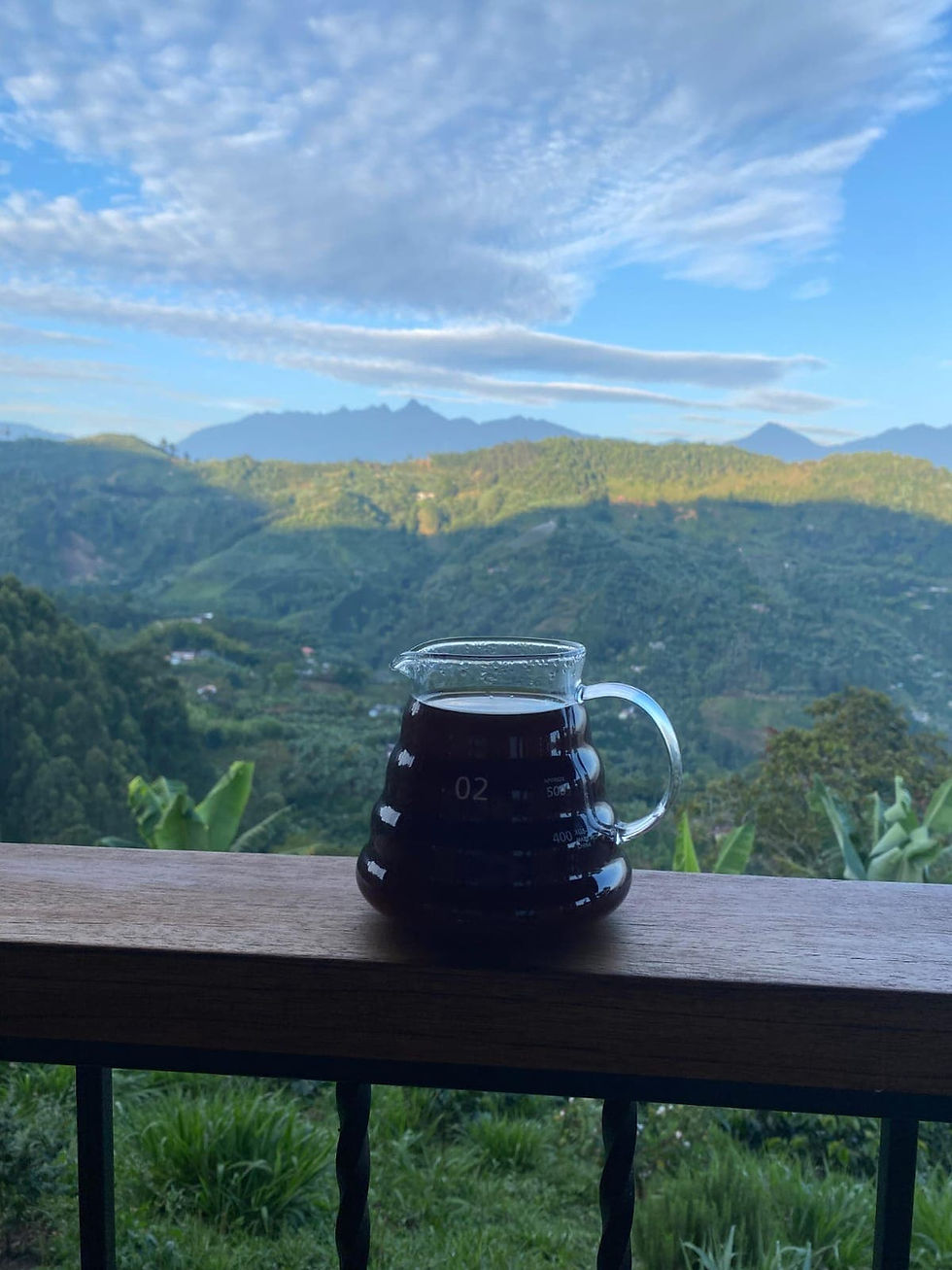
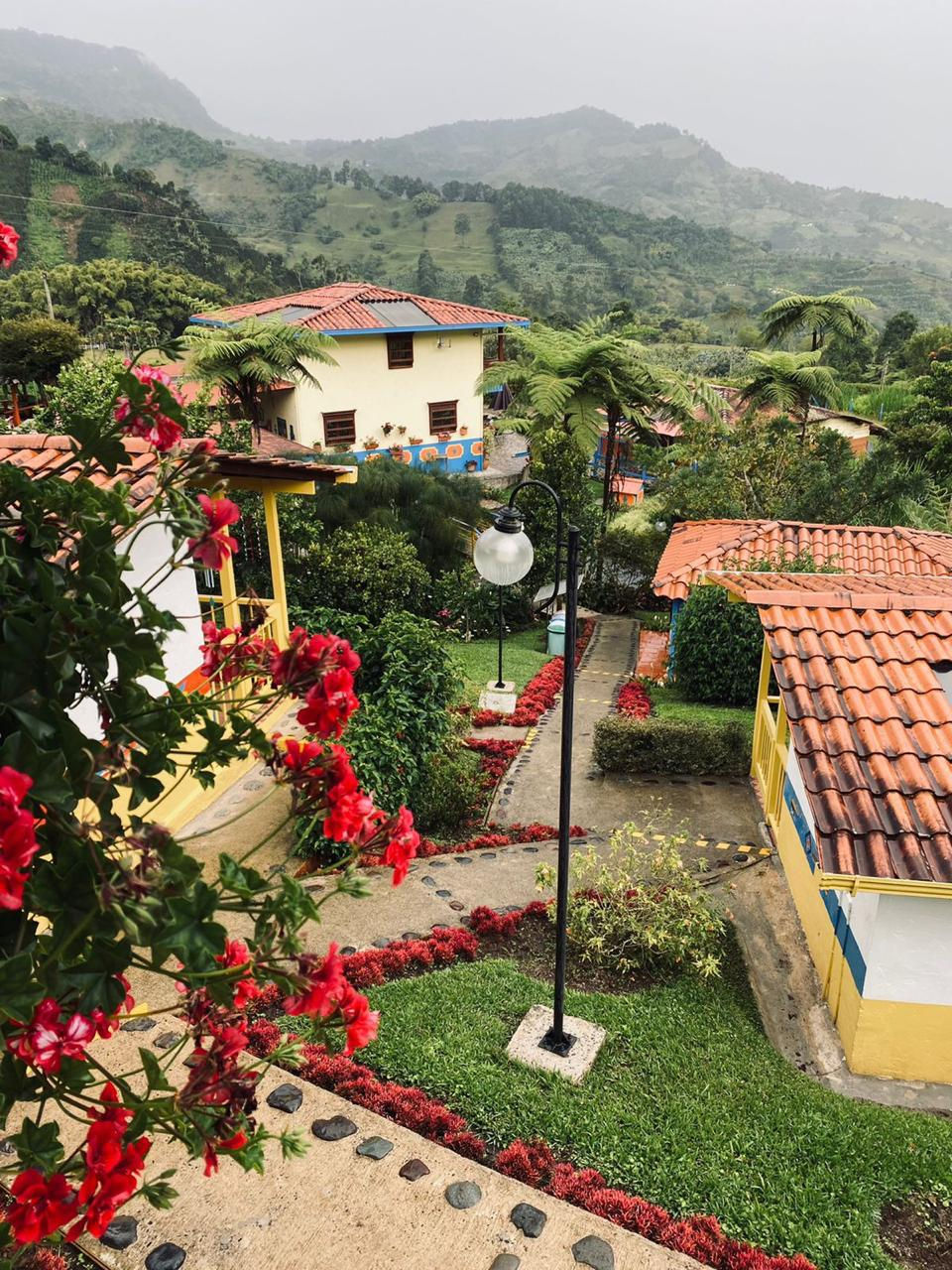
When exploring options across Colombia, understanding regional diversity is key to making an informed investment. Many foreign buyers focus on urban centers, but the true growth sectors are found in the mountain landscapes and agricultural valleys of Antioquia. The coffee axes of southwest Antioquia present an exceptional balance of cultural preservation, infrastructure development, and premium land availability.
+------------------------------------------------------------------------+
|                      ANTIOQUIA REGIONAL BREAKDOWN                      |
|                                                                        |
|  JARDÍN:                                                               |
|  - High-altitude premium agricultural valleys                          |
|  - Exceptional eco-tourism draw and historic preservation              |
|  - Elite focus for boutique hospitality and sustainable haciendas      |
|                                                                        |
|  SABANETA / ENVIGADO:                                                  |
|  - Saturated high-density urban residential markets                    |
|  - Traditional apartment living with established infrastructure        |
|                                                                        |
|  RIONEGRO / LLANOGRANDE:                                               |
|  - Rapid suburban expansion near international transit                 |
|  - Large-scale gated communities and commercial developments           |
+------------------------------------------------------------------------+
For investors seeking unique environmental value, looking into FarmsForSaleInColombia reveals distinct microclimates that are ideal for high-value agricultural production and eco-tourism. Navigating these regional opportunities requires local insights and specialized skills to identify properties with clear titles and strong structural potential.
Focusing your property search in areas like Southwest Antioquia allows you to tap into rich cultural heritage and highly fertile land. Those searching for ColombianCoffeeFarmsForSale or exploring broader options like ColombianLandForSale will find that this region offers an ideal climate and pristine natural environments. The demand for CoffeeFarmsForSaleInColombia and specialized CoffeeFarmsForSaleColombia options continues to grow as international buyers seek out authentic rural estates.
Whether you are evaluating a specific CoffeeFarmForSaleColombia or searching through diverse options for CoffeeFarmsInColombiaForSale, verifying access to clean water, electricity, and proper road infrastructure is essential. Working with an agency that specializes in these regions ensures you find a premium FincaForSaleColombia that aligns with your specific financial goals and lifestyle aspirations.
Understanding Closing Costs and Tax Obligations
A safe purchase requires complete financial transparency regarding transaction costs. Buyers must budget for these expenses above the agreed purchase price to avoid unexpected funding gaps at closing.
Fee Category | Approximate Percentage | Responsible Party |
Notary Fees | 0.3% to 0.5% of property value | Split equally (50/50) |
Registration Tax (Beneficencia) | 1.0% to 1.5% of property value | Typically paid by the Buyer |
Registry Fee | 0.5% to 0.7% of property value | Typically paid by the Buyer |
Legal Diligence & Title Study | 1.0% to 2.0% of property value | Paid by the Buyer |
Real Estate Commission | 3.0% to 5.0% of property value | Paid entirely by the Seller |
Once ownership is established, your ongoing tax obligations include the annual municipal property tax (Impuesto Predial). For rural land or agricultural estates, this tax is generally low compared to North American or European standards, making long-term asset retention highly manageable.
Strategic Long-Term Benefits: Residency and Visas
Purchasing real estate also serves as a direct, legally protected pathway to securing formal residency in Colombia. The Ministry of Foreign Affairs offers specific visa categories designed to incentivize foreign direct investment.
By executing a valid purchase that meets the official financial thresholds, you can qualify for a Migrant Investor Visa (Visa M). This visa is typically granted for a multi-year term, allowing you to live, travel, and operate seamlessly within the country.
To maintain compliance, the property value must remain above the legal minimum requirement, and your foreign capital must be properly registered with the central bank. After holding this investor status continuously for five years, you become eligible to apply for permanent Resident status (Visa R), providing long-term stability and deep integration into the community.
Conclusion
Securing real estate in Colombia is a highly predictable and legally sound endeavor when executed with methodical precision. By following the proper legal steps—from deep title verification to meticulous foreign exchange registration—you can confidently acquire a premium asset in one of South America's most dynamic markets.
Antioquia offers diverse opportunities, from high-yield agricultural land to boutique eco-resorts. Succeeding in this market requires a clear understanding of the local landscape and professional legal guidance. Embracing new perspectives and leveraging local expertise allows you to navigate the transaction safely, transforming your real estate goals into a secure, long-term success.
FAQs
Can a foreign national legally hold title to land in Colombia?
Yes, foreign nationals enjoy full constitutional rights to acquire, own, and transfer real estate in Colombia. The legal framework treats foreign buyers exactly the same as domestic citizens, allowing you to hold fee-simple titles in your own name without requiring corporate workarounds or local partners.
What is a Certificado de Tradición y Libertad, and why is it essential?
This document is the official, real-time abstract of title issued by the national registry office. It details the complete historical ownership chain of the property and explicitly lists any active mortgages, liens, tax debts, boundary disputes, or judicial embargoes. Reviewing a fresh certificate is the single most important step in legal due diligence.
Why must I register my investment funds with the central bank?
Colombia requires all inbound foreign capital intended for real estate to be formally registered with the Banco de la República as Foreign Direct Investment. This mandatory step prevents issues with anti-money laundering regulations and legally guarantees your right to repatriate your capital and future profits when you sell the property.
How long does the entire real estate purchase process typically take?
A standard property transaction in Colombia moves from the initial offer to final registration in approximately thirty to sixty days. This timeline depends on the complexity of the title history, the speed of local financial institutions in processing international fund transfers, and the schedule of the local notary public.
What happens if either party defaults on the Promesa de Compraventa?
The Promesa de Compraventa contains an explicit penalty clause (Cláusula Penal) designed to deter defaults. If either party backs out or fails to meet the specified conditions without a legally valid excuse, they are required to pay the agreed penalty amount—typically ten to twenty percent of the sale price—to the injured party.
Are there restrictions on short-term rentals or Airbnb structures?
Short-term tourist rentals are completely legal but regulated under national tourism frameworks. To operate a property as a short-term rental, it must be registered with the National Tourism Registry (RNT). Additionally, if the property is located within a horizontal property regime (like a condo building or gated community), the co-ownership bylaws must explicitly permit short-term rental activities.
Your Next Steps in Colombian Real Estate
If you are ready to explore your options and InvestInColombia, our platform provides direct access to some of the finest properties in the region. We showcase prime agricultural estates, traditional fincas, and development land designed to help businesses achieve greater returns.
Visit our primary portal at https://www.jardincolombiarealestate.com to connect with our specialized teams. We look forward to applying our expert skills to help you safely and confidently navigate your journey to buy property in Colombia.


Comments