
Fincas, Colonial Homes, and Plots of Land: What Can You Buy in Jardin?
- Juan Valdez
- Jun 23
- 11 min read

Fincas, Colonial Homes, and Plots of Land: What Can You Buy in Jardin?
The global shift toward tangible, lifestyle-driven real estate assets has brought unprecedented international attention to the southwestern subregion of Antioquia, Colombia. For generations, this emerald-green mountainous corridor was celebrated primarily for producing some of the finest mild arabica coffee on earth. Today, it stands as one of the most compelling investment frontiers in South America. Among the tight-knit network of mountain towns that dot this landscape, the municipality of Jardin emerges as the absolute crown jewel.
Characterized by towering Andean peaks, pristine cloud forests, and a deeply entrenched cultural identity, Jardin has transcended its status as a picturesque weekend getaway. It is now a highly sophisticated market for international property procurement. Sophisticated buyers from North America, Europe, and major Colombian urban centers are moving substantial capital into this valley. They recognize that the convergence of newly completed national infrastructure projects, a booming ecotourism economy, and an unmatched quality of life has created an ideal environment for asset acquisition.
As premier real estate strategists with specialized teams operating throughout Antioquia, we analyze this market through a lens of deep regional expertise and advanced consumer insights. The local property landscape is structurally diverse, yet highly supply-constrained, creating an environment where informed decision-making yields substantial long-term benefits. Whether your financial objective is to manage a high-yield agricultural enterprise, breathe new life into a historic urban estate, or develop an eco-conscious residential sanctuary from the ground up, understanding the architectural classifications, zoning realities, and transaction mechanisms of Jardin is essential. Fincas, Colonial Homes, and Plots of Land: What Can You Buy in Jardin?
Understanding the Landscape: The Three Pillars of Jardin Property
The real estate inventory in Jardin is broadly divided into three distinct sectors: operational rural farms, historic urban residences, and undeveloped land parcels. Each category satisfies a completely different investment thesis, demands a distinct approach to legal verification, and carries its own operational requirements.
Our specialized teams work across these divisions daily, utilizing expert skills to match foreign and domestic capital with secure, high-performing assets. To successfully navigate this marketplace, buyers must look beyond the immediate visual appeal of the region and dissect the structural, environmental, and regulatory frameworks that govern each property type.
The Agricultural Sector: High-Yield Coffee and Avocado Farms
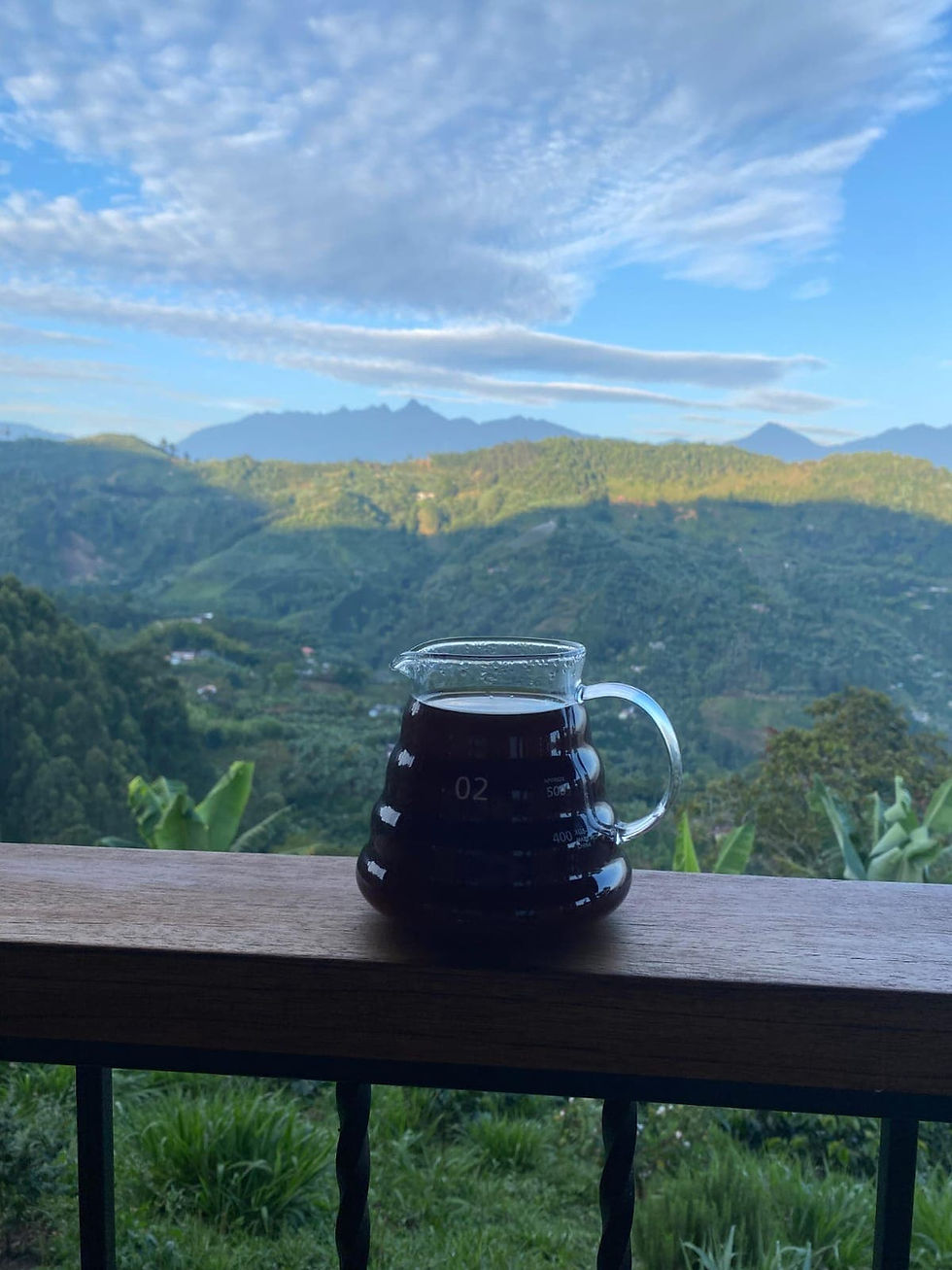
The fertile mountain slopes branching out from Jardin’s urban core represent the agricultural heartbeat of the region. Rich in volcanic nutrients, blessed with abundant natural freshwater springs, and characterized by unique mountain microclimates, these lands are engineered by nature for premium crop production. In this sector, a rural property is not merely a country retreat; it is a functioning commercial enterprise that requires sound operational management and an understanding of regional supply chains.
       [ Andean Elevation Strata in Jardin ]
+-----------------------------------------------------+
| 1,800m - 2,200m+ : Hass Avocado Zone                |
|                    Export-grade, high global demand |
+-----------------------------------------------------+
| 1,400m - 1,800m  : Specialty Arabica Coffee Belt    |
|                    Micro-lot processing infrastructure|
+-----------------------------------------------------+
When evaluating specialized operations, investors frequently target the premium coffee belt. Exploring options for FarmsForSaleInColombia reveals that the most valuable agricultural assets are positioned at precise elevations between 1,400 and 1,800 meters above sea level. This specific elevation range provides the necessary thermal variance and predictable rainfall patterns required to cultivate specialty arabica beans that command premium prices on the international market.
A standard acquisition within this niche typically features mature, disease-resistant tree varieties such as Castillo or Colombia, alongside specialized micro-lot processing setups. When analyzing Colombian Coffee Farms For Sale, discerning buyers look closely at the presence of processing infrastructure, including automated depulpers, fermentation tanks, washing channels, and covered drying terraces known locally as marquesinas.
               [ Coffee Processing Flow ]
[Harvest] -> [Depulping Machine] -> [Fermentation Tanks]
                                             |
[Covered Drying Terraces (Marquesinas)] <- [Washing Channels]
In recent years, the regional agricultural matrix has diversified significantly beyond coffee. The higher elevation bands of Jardin, stretching from 1,800 to over 2,200 meters, have become premier territory for export-grade Hass avocado cultivation. Investigating options for Coffee Farms For Sale Colombia or looking for a diversified Finca For Sale Colombia often leads investors to properties that successfully intercrop coffee with avocados, citrus fruits, or plantains, providing multiple independent streams of agricultural revenue throughout the year.
Acquiring a functioning rural estate requires rigorous operational due diligence that goes far beyond traditional title verification:
Water Allocation Rights: Every commercial agricultural operation must possess a valid, formally registered water concession issued by Corantioquia, the regional environmental regulatory authority. This concession defines the legal volume of water the property is permitted to extract from local streams or natural springs for crop irrigation and processing.
Logistical Accessibility: The steep terrain of Southwest Antioquia means that physical accessibility dictates operational costs. Buyers must assess the condition of local unpaved access roads (vías veredales), paying close attention to bridge weight capacities, drainage systems, and the seasonal reliability of the route during peak rainy seasons.
Labor Infrastructure: High-yielding agricultural properties depend on skilled local labor. The inclusion of high-quality, structurally sound housing for permanent farm managers (mayordomos) and adequate seasonal accommodations for harvest workers is a critical factor that directly influences the operational efficiency of the farm.
Architectural Preservation: Historic Colonial Homes in the Urban Core
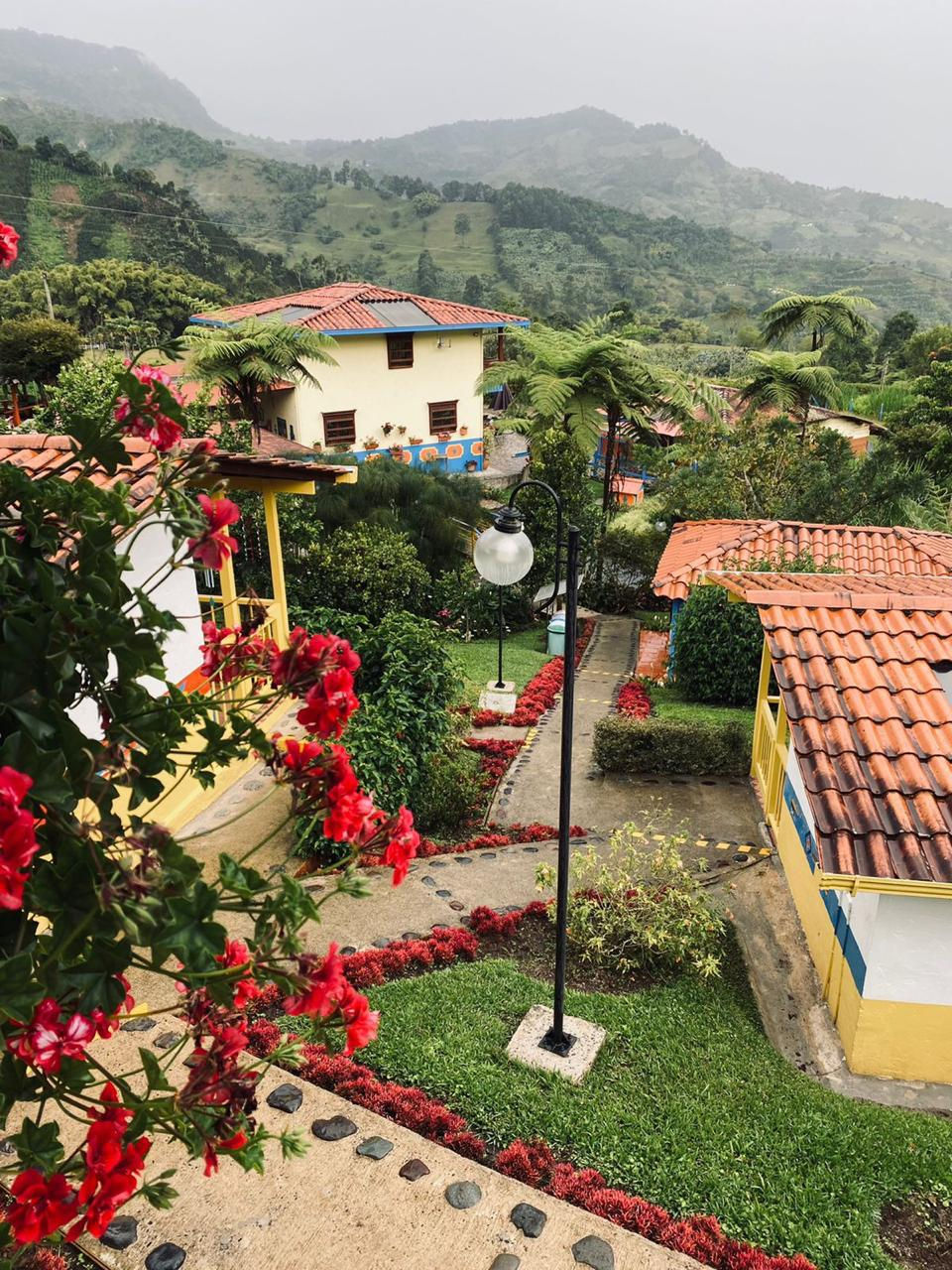
For investors who prefer urban culture and architectural history over agricultural operations, the historic center of Jardin provides an entirely different asset class: the traditional colonial home. Formally recognized as part of Colombia's prestigious Heritage Town Network (Red de Pueblos Patrimonio), the urban core of Jardin is a living museum of late nineteenth-century Antioquian architecture.
These grand properties are famous for their meticulously preserved whitewashed tapia pisada (rammed earth) or bahareque (wattle and daub) walls, soaring ceilings supported by native hardwood beams, clay-tiled roofs, and highly ornate, hand-painted wooden doors and balconies that face the cobblestone streets.
+-------------------------------------------------------+
|            TRADITIONAL URBAN HOME LAYOUT              |
|                                                       |
|   +------------------[ Street ]-------------------+   |
|   |  [Zaguán Entrance]              [Front Room]  |   |
|   |         |                            |        |   |
|   |         v                            v        |   |
|   |  +----------------------------------------+   |   |
|   |  |                                        |   |   |
|   |  |       Open-Air Central Courtyard       |   |   |
|   |  |            (Patio Central)             |   |   |
|   |  |                                        |   |   |
|   |  +----------------------------------------+   |   |
|   |         ^                            ^        |   |
|   |         |                            |        |   |
|   |  [Surrounding Bedrooms]     [Rear Service Area]|   |
|   +-----------------------------------------------+   |
+-------------------------------------------------------+
Choosing to InvestInColombiaRealEstate by acquiring an urban patrimonial property offers unique advantages. The local government enforces strict historic preservation codes, ensuring that the visual character, color palettes, and architectural integrity of the town center remain unchanged. This protective regulatory shield insulates your property from erratic neighboring developments and preserves the historic charm that draws travelers from across the globe.
Internally, however, these expansive layouts offer incredible architectural versatility. Savvy international investors regularly purchase these structures to execute complete interior restorations, transforming traditional multi-room layouts into high-end boutique hotels, specialty coffee bars, upscale restaurants, or private luxury townhomes that seamlessly integrate historic aesthetics with modern internal layouts.
Critical Historic Preservation Rule: In the urban core of Jardin, the exterior facade, rooflines, and main structural walls are legally protected. Any internal modification, plumbing overhaul, or structural reinforcement requires formal architectural plans to be submitted and approved by the municipal planning office (Oficina de Planeación) to guarantee full compliance with national heritage preservation acts.
Sourcing these prime urban assets requires deep local roots and a nuanced understanding of family ownership histories. Many of these prominent corner properties have been passed down through generations without formal estate divisions, making the legal title study a vital step. Our specialized legal and marketing teams bring new perspectives to this process, untangling complex historical ownership chains and ensuring that buyers secure clean, unencumbered titles within walking distance of Jardin's iconic, rose-laden central plaza.
Building from Scratch: Plots of Land and Build-Ready Lots
For buyers who wish to create a bespoke residential or commercial footprint, the market for undeveloped plots of land and master-planned lots provides a clear path forward. The countryside surrounding Jardin offers a diverse selection of land options, ranging from compact, low-maintenance parcels inside secure residential subdivisions to massive tracts of pristine mountain terrain ideal for eco-resort development or private conservation projects.
This segment is highly sought after by global buyers utilizing the Colombian LandForSale framework to design personalized architectural projects.
When navigating the land market, buyers must choose between two primary development models, each with its own infrastructural realities:
Land Category | Infrastructure Profile | Permitting and Governance | Ideal Use Case |
Gated Parcelations (Lotes en Parcelación) | Pre-installed utility hookups, paved internal roads, gated security, shared common areas. | Governed by strict HOA regulations, pre-approved building footprints, streamlined municipal permitting. | Luxury vacation villas, low-stress residential builds, lock-and-leave retirement homes. |
Independent Rural Tracts (Lotes Independientes) | Requires independent installation of water, electricity, and waste systems; variable road access. | Governed solely by the municipal Plan de Ordenamiento Territorial (POT); requires independent environmental permits. | Large-scale eco-lodges, agricultural estates, off-grid sustainable retreats, private nature reserves. |
Investing in independent rural land allows for maximum creative freedom, but it demands an advanced level of technical due diligence. Prior to finalizing a land transaction, buyers must conduct thorough soil stability tests to confirm the safety of building on mountain slopes, verify the exact property boundaries through certified topographic surveys, and review local zoning maps.
The municipal land-use plan (POT) dictates exactly what can be built, where it can be built, and the maximum allowable density per hectare. Understanding these environmental protections and land classifications is essential to avoiding buying land that is legally restricted from future construction.
Market Dynamics and Regional Growth Drivers in Antioquia
The structural strength of the property market in Southwest Antioquia is deeply connected to a massive shift in Colombia's national transport infrastructure. For decades, the journey from the departmental capital of Medellin to Jardin was a long trek over winding, single-lane mountain passes.
The successful completion of the multi-billion-dollar Pacifico 1 and Pacifico 2 Fourth-Generation (4G) highway networks has fundamentally redrawn the economic map of the region. This expansive system of modern tunnels, monumental viaducts, and multi-lane highways has dramatically reduced travel times, connecting the quiet mountains of Jardin directly to Medellin's urban center and the international airport.
       [ Regional Connectivity Transformation ]
+-----------------------------------------------------+
| Historical Route: Winding, single-lane mountain roads|
| Travel Time: ~4.5 - 5 Hours (High vehicle wear)     |
+-----------------------------------------------------+
                          ||
                          || 4G Highway Infrastructure
                          v
+-----------------------------------------------------+
| Modern Corridor: Pacifico 1 & 2 / Advanced Tunnels  |
| Travel Time: ~2.5 - 3 Hours (Smooth, direct access) |
+-----------------------------------------------------+
This newfound accessibility has turned Jardin into a primary destination for lifestyle migration, high-net-worth remote professionals, and international ecotourists seeking immersion in nature without sacrificing connectivity. Consequently, the demand for specialized, high-tier real estate placement has risen dramatically.
Our digital platform showcases the finest available properties in Jardin, providing international buyers with exclusive access to verified, institutional-grade opportunities. By deploying expert skills, specialized cross-border teams, and advanced outsourced marketing services, we bridge the gap between traditional local property owners and international capital, helping clients secure exceptional real estate assets that are primed for long-term capital appreciation.
Furthermore, the foundational legal framework of Colombia provides exceptional security for international buyers. Foreign investors enjoy the exact same constitutional property rights as native Colombian citizens, with no restrictions on holding freehold titles to land or urban real estate.
The market has demonstrated consistent, resilient growth, with property values in premium secondary markets advancing steadily year after year. This stable legal environment, combined with the structural infrastructure boom, makes the acquisition of real estate in Jardin a secure vehicle for capital preservation and growth.
Step-by-Step Purchase Framework for Buying Property in Jardin
To ensure absolute legal safety and transactional transparency when purchasing real estate in Colombia, international buyers should follow this rigorous, sequential operational framework:
1.Retain Specialized Local Legal Counsel:Day 1.
Engage an independent real estate attorney who is fully bilingual and specializes exclusively in Colombian property law to represent your interests throughout the entire transaction.
2.Execute a Comprehensive Title Study:Days 2 - 10.
Have your attorney pull a fresh Certificado de Tradición y Libertad (dated within 30 days) and perform a minimum 20-year chain-of-title review to uncover any hidden liens, active mortgages, family inheritance disputes, or environmental restrictions.
3.Establish a Compliant Inflow Channel:Days 11 - 20.
Open a designated brokerage or international investment account with an authorized Colombian financial institution (such as Bancolombia) to facilitate the legal wire transfer and monetization of foreign currency.
4.Formally Register Foreign Investment:Concurrent with Transfer.
Ensure that every dollar wired into the country is formally registered with the central bank (Banco de la República) by filing the mandatory Formulario F4, which protects your right to legally repatriate capital and future gains.
5.Draft and Execute the Promesa de Compraventa:Days 21 - 25.
Sign a legally binding Purchase Promise Agreement before a public notary. This document solidifies the final price, specifies the payment milestones, establishes clear contingencies, and includes a reciprocal non-compliance penalty (typically 10% to 20%).
6.Execute the Escritura Pública at the Notary:Closing Day.
Both parties appear at the designated notary office to sign the final Public Deed (Escritura Pública) once the seller presents updated tax clearance certificates (paz y salvo) and the final funds are cleared.
7.Register the Deed with the National Registry:Post-Closing.
Submit the notarized Escritura Pública to the Oficina de Registro de Instrumentos Públicos. Ownership is not legally transferred until the deed is officially recorded and a new annotation is generated on the title certificate.
Conclusion
Whether you are captivated by the agricultural output of specialty Coffee Farms For Sale Colombia, the historic preservation value of an urban colonial estate, or the endless creative possibilities presented by premium Colombian LandForSale, the municipality of Jardin stands out as an unmatched real estate destination in South America. The local market accommodates a diverse array of investment strategies, successfully balancing turnkey residential developments within secure gated parcelations against large-scale, income-generating coffee and avocado enterprises.
While the nuances of local property regulations, water rights, and central bank compliance require careful, professional navigation, partnering with seasoned regional experts turns the purchase process into a clear and secure transition. By combining a meticulous title study with structured foreign investment registration, international buyers can confidently build a secure real estate footprint in one of the most culturally vibrant and geographically blessed regions of the world. To explore the most exclusive, verified property listings currently available across this rapidly ascending market, explore our premier digital portfolio at https://www.jardincolombiarealestate.com.
FAQs
What exactly defines a finca in the context of the Jardin real estate market?
In Jardin and the broader Antioquia region, a finca is a broad term used for any residential or commercial property located in a rural zone. Depending on its design, size, and elevation, a finca can range from a modest weekend vacation home surrounded by gardens (Finca de Recreo) to an expansive, technologically advanced agricultural estate producing export-grade coffee or fruit (Finca de Producción).
Are there any legal restrictions preventing foreigners from owning rural land or coffee farms in Colombia?
No, Colombia maintains a completely open and welcoming legal framework for international property buyers. Foreigners possess the exact same legal rights as Colombian citizens when acquiring real estate. You can legally purchase, hold title to, and pass down freehold rural farms, urban homes, or undeveloped plots of land using only a valid international passport.
How are land sizes typically calculated and discussed in rural Antioquia?
While all official government documentation, public deeds, and registry certificates express land sizes using the metric system (square meters and hectares), local property owners and agricultural workers almost universally use a traditional unit known as the cuadra. One cuadra is equal to exactly 6,400 square meters, which translates to approximately 1.58 acres.
What are the main rules regarding the remodeling of historic homes in Jardin's center?
Because the urban core of Jardin is a designated National Heritage Zone, all properties within this boundary fall under strict architectural preservation codes. Investors are completely free to modernize the interior spaces, update electrical systems, and install luxury plumbing features, but the original exterior facade, street-facing window designs, rooflines, and historical color schemes must be preserved exactly as originally built.
How do buyers typically secure utility connections for independent rural land parcels?
When purchasing a lot inside an organized parcelación, connections to electricity, local water networks, and fiber-optic internet lines are usually pre-installed at the boundary of the lot. For independent rural plots, buyers work with local providers like EPM for electrical grid connection, secure fresh water via verified local water associations (acueductos veredales), and install self-contained, eco-friendly septic systems to manage waste efficiently.
Can purchasing real estate in Jardin assist me in obtaining a Colombian residency visa?
Yes, investing in Colombian real estate is a recognized path toward obtaining legal residency. Purchasing a property with a recorded deed value that exceeds the equivalent of 350 monthly minimum wages allows an international buyer to apply for a multi-year Type M Investment Visa. Larger property investments that exceed 650 monthly minimum wages provide a direct path to a premium Type R Resident Visa, granting long-term stability in the country.
FarmsForSaleInColombia #Colombia #JardinColombia #InvestInColombia #ColombianCoffeeFarmsForSale #ColombianLandForSale #ColombianCoffeeFarmsForSale #CoffeeFarmsForSaleColombia #CoffeeFarmForSaleColombia #CoffeeFarmsInColombiaForSale #FincaForSaleColombia #InvestInColombiaRealEstate #BuyingPropertyInColombia #Colombia


Comments