Expat communities in Colombian real estate hotspots

Expat communities in Colombian real estate hotspots
Colombia has emerged as one of the premier destinations in Latin America for international buyers, remote professionals, retirees, and lifestyle investors seeking exceptional quality of life, favorable climate diversity, and robust long-term value. Beyond the vibrant economic centers of Bogotá and Medellín, a distinct migration trend has taken hold across the majestic Andean topography. Foreign buyers are looking beyond conventional urban corridors toward heritage towns, eco-friendly rural retreats, and high-yielding agricultural hubs.
At the center of this movement are well-established, welcoming foreign communities that blend seamlessly into local culture. These international networks offer invaluable peer-to-peer insights, social infrastructure, and collaborative support for new arrivals. Understanding where these communities thrive, how they interact with local populations, and how they approach property ownership is essential for anyone considering an acquisition in Colombia. Expat communities in Colombian real estate hotspots
The Evolution of International Living in Colombia
Over the past two decades, the narrative surrounding real estate acquisition in South America has shifted dramatically. Foreign buyers no longer view international property ownership merely as a secondary vacation option. Instead, it represents a strategic diversification of lifestyle, capital, and personal freedom.
THE SHIFT IN EXPAT PROPERTY MOTIVATION

TRADITIONAL MODEL
Urban Condominium  -->  Short Seasonal Visits  -->  Passive Rental Holding

MODERN COLOMBIAN MODEL
Heritage Town / Rural Estate  -->  Active Integration & Agricultural Production  -->  Lifestyle & Capital Preservation
Several key drivers have catalyzed this evolution across Colombia's premier real estate hotspots:
Remote Work Flexibility: The rise of global digital connectivity allows professionals to manage international enterprises while enjoying high quality living standards in temperate mountain settings.
Agricultural Interest: Buyers increasingly seek tangible assets, such as working coffee farms, avocado plantations, or organic homesteads, combining passive income potential with country living.
Cultural & Climate Appeal: Colombia's microclimates offer year-round springlike temperatures, removing the need for seasonal heating or heavy cooling, while its historic towns showcase protected colonial architecture.
Value Proposition: Foreign currencies maintain strong purchasing power across Colombian real estate markets, enabling buyers to secure expansive land holdings and custom architectural estates at accessible price points.
Key Real Estate Hotspots and Foreign Community Dynamics
International buyers in Colombia naturally gravitate toward regions that offer a blend of natural beauty, safety, developed infrastructure, and authentic local character. While each destination attracts a slightly different profile of resident, all share a strong sense of community and proven real estate appreciation.
REGIONAL PROFILE OF COLOMBIAN REAL ESTATE HOTSPOTS

+--------------------+-----------------------+---------------------------------------+
| REGION / TOWN      | PRIMARY BUYER PROFILE | KEY PROPERTY TYPES                    |
+--------------------+-----------------------+---------------------------------------+
| Jardín, Antioquia  | Lifestyle Seekers,    | Heritage Townhouses, Coffee Fincas,   |
|                    | Agri-Investors,       | Eco-Lodge Retreats                    |
|                    | Long-term Retirees    |                                       |
+--------------------+-----------------------+---------------------------------------+
| Medellín & Aburrá  | Digital Entrepreneurs,| High-Rise Luxury Apartments,          |
| Valley             | Urban Investors       | Modern Penthouses                     |
+--------------------+-----------------------+---------------------------------------+
| Eastern Antioquia  | Families, Suburban    | Gated Country Estates (Parcelaciones),|
| (Rionegro/Llano)   | Professionals         | Modern Villas                         |
+--------------------+-----------------------+---------------------------------------+
| Coffee Triangle    | Eco-Tourism Operators,| Traditional Hacienda Estates,         |
| (Quindío/Risaralda)| Agricultural Investors| Active Plantation Holdings            |
+--------------------+-----------------------+---------------------------------------+
Jardín, Antioquia: The Jewel of Heritage Living
Nestled in the lush Southwest region of Antioquia, Jardín represents the gold standard for heritage real estate and rural living in Colombia. Framed by dramatic mountain ridges, cascading waterfalls, and meticulously preserved colonial architecture, Jardín has drawn an intentional, sophisticated international community.
Unlike transient tourist hubs, the foreign community in Jardín consists largely of long-term property owners, agricultural entrepreneurs, eco-tourism pioneers, and retirees seeking tranquility. International residents in Jardín value integration over isolation. You will frequently find foreign owners conversing with local coffee growers in Parque Principal, supporting municipal environmental projects, or collaborating with regional artisans.
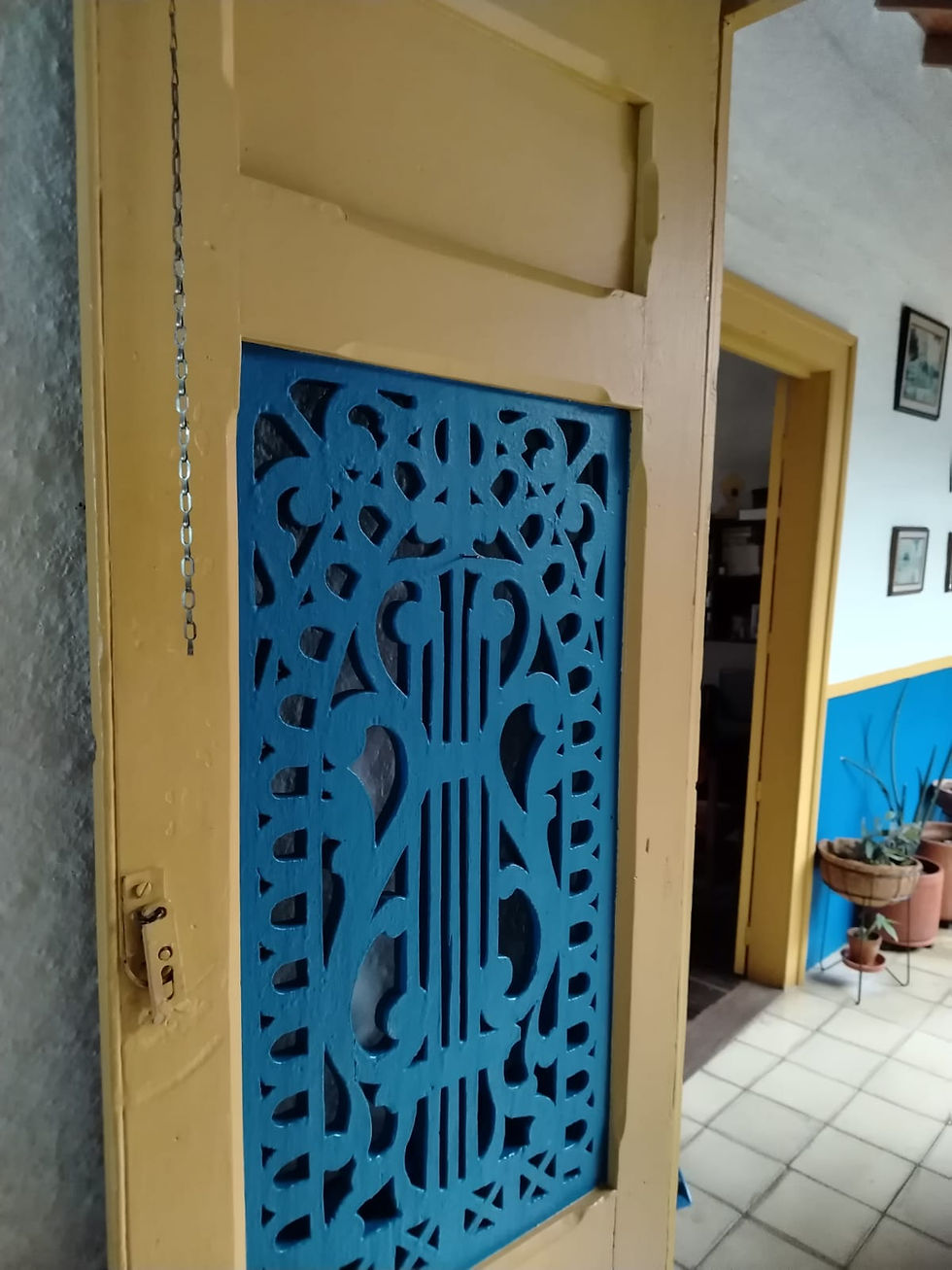
Properties in and around Jardín range from historic townhouses featuring hand-carved woodwork and interior courtyards to expansive coffee estates perched above the cloud forest. The presence of a supportive, civic-minded foreign community ensures that new property owners receive reliable guidance on everything from estate management to municipal permitting.
The Aburrá Valley: Medellín's Cosmopolitan Hub
As the capital of Antioquia, Medellín remains the primary urban entry point for international investors. Districts like El Poblado, Laureles, and Envigado host high concentrations of foreign professionals, tech founders, and digital nomads.
The community in Medellín is fast-paced, highly networked, and digitally focused. Weekly masterminds, real estate networking events, and industry meetups provide continuous opportunities to connect with fellow investors. However, as urban density increases, many established foreign residents in Medellín eventually transition their primary capital into peaceful rural surroundings in Antioquia, maintaining city apartments solely for corporate or leisure use.
Eastern Antioquia: Rionegro and the San Nicolás Valley
Located just twenty minutes from José María Córdova International Airport, the San Nicolás Valley—encompassing Rionegro, Llanogrande, El Retiro, and La Ceja—has become a preferred destination for foreign families and suburban professionals.
This region features luxury gated communities (parcelaciones) that offer modern infrastructure, international schools, high-end commercial centers, and world-class medical facilities. The foreign community here is family-oriented and corporate, prioritizing proximity to international transit and modern amenities while enjoying temperate mountain air.
The Coffee Triangle: Quindío, Risaralda, and Caldas
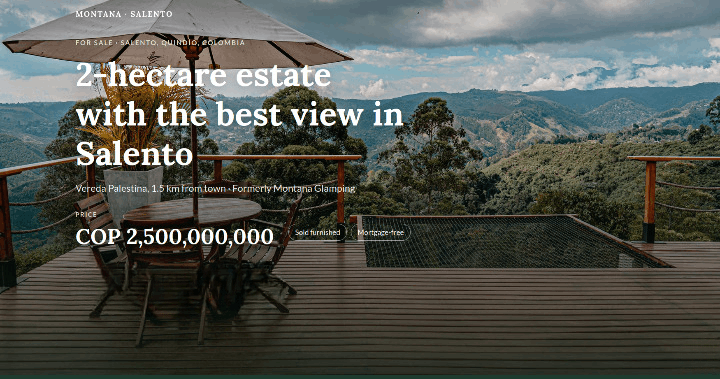
Further south, the UNESCO World Heritage Coffee Cultural Landscape attracts buyers focused on large-scale agricultural operations, eco-lodges, and wellness retreats. Towns like Salento, Filandia, and Santa Rosa de Cabal host diverse foreign groups dedicated to sustainable farming, eco-hospitality, and conservation.
Community Integration: Moving Beyond the Expat Bubble
One of the most defining characteristics of successful foreign property owners in Colombia is their commitment to local community integration. While enclave communities exist in some global destinations, the cultural geography of Colombia encourages active participation in civic life.
THE INTEGRATION SPECTRUM FOR FOREIGN OWNERS

ISOLATED MODEL (Avoid)
Enclave Living  -->  Zero Language Effort  -->  Parallel Social Life  -->  Operational Friction

INTEGRATED MODEL (Recommended)
Active Local Rapport  -->  Conversational Spanish  -->  Civic Participation  -->  Seamless Estate Operations
Navigating Social Networks
In Colombian culture, social life and professional life are deeply interconnected. Foreign property owners who build genuine relationships with their neighbors, local merchants, and municipal leaders enjoy smoother operational experiences with their estates.
Shared Civic Pride: Colombians take immense pride in their towns and agricultural heritage. Participating in local festival celebrations, supporting community clean-up initiatives, and patronizing local businesses builds immediate goodwill.
Mutual Support Networks: In rural settings, neighboring property owners assist one another with road maintenance, water spring management, and security oversight. Being an active, generous neighbor ensures your property is cared for even when you are traveling abroad.
Language and Daily Engagement
While many professionals in major hubs speak English, living and managing property in rural hotspots requires functional conversational Spanish. Engaging with your estate manager (mayordomo), local contractors, and town officials in Spanish demonstrates respect and eliminates operational misunderstandings.
Strategic Real Estate Opportunities in Antioquia
Navigating property acquisition in Colombia requires a clear understanding of regional market dynamics, asset classes, and strategic positioning. Whether searching for a primary residence, a boutique hospitality venue, or a productive agricultural asset, selecting the right market is paramount.
For investors exploring agricultural holdings and country estates, search terms such as #FarmsForSaleInColombia, #ColombianCoffeeFarmsForSale, #CoffeeFarmsForSaleColombia, or #CoffeeFarmForSaleColombia reflect a growing global appetite for productive rural assets. Managing a working coffee finca allows owners to participate in Colombia's world-renowned agricultural export market while enjoying a serene lifestyle.
Similarly, acquisitions framed around #ColombianLandForSale, #CoffeeFarmsInColombiaForSale, and #FincaForSaleColombia offer unparalleled creative flexibility. Buyers can design custom eco-villas, establish regenerative agriculture projects, or develop boutique bed-and-breakfast destinations that cater to high-end eco-tourists.
For broader capital deployment, options highlighted under #InvestInColombia, #Colombia, #JardinColombia, #InvestInColombiaRealEstate, and #BuyingPropertyInColombia present an extraordinary alignment of economic stability, natural beauty, and strong capital appreciation.
Executing a successful acquisition or commercial roll-out requires seasoned local guidance and market intelligence. In the Antioquia market, we feature the hottest properties in Jardín alongside comprehensive outsourced marketing services designed to elevate real estate projects and commercial ventures. With new perspectives, specialized teams, and expert skills, we help businesses refine their commercial presence and achieve greater returns on their capital investments.
To explore premier holdings and receive expert guidance on regional acquisitions, visit our primary portal at Jardín Colombia Real Estate to view a curated selection of properties in Antioquia.
Operational Roadmap for New Foreign Buyers
FOREIGN PROPERTY ACQUISITION & INTEGRATION STEPS

[ ] Identify Target Region: Align climate preferences, lifestyle goals, and investment vision.
[ ] Retain Local Legal Counsel: Conduct comprehensive title searches (Certificado de Tradición y Libertad).
[ ] Establish Banking & Foreign Investment Registration: Formally register capital inflows via Banco de la República.
[ ] Engage Local Real Estate Experts: Partner with specialized regional agencies for vetted listings.
[ ] Connect with Foreign & Local Networks: Build relationships with existing owners and town leaders.
[ ] Execute Formal Closing: Sign public deeds (Escritura Pública) at the designated notary office.
Conclusion
The growth of foreign communities across Colombia's real estate hotspots reflects the country's enduring appeal, economic resilience, and extraordinary natural beauty. From the bustling urban corridors of Medellín to the tranquil, green mountain valleys of Jardín, international buyers are finding far more than high-value property—they are finding welcoming communities, productive land, and a rewarding lifestyle. By approaching property acquisition with cultural respect, local legal guidance, and strategic market insight, foreign investors can establish secure, flourishing real estate holdings that deliver long-term value for generations to come.
Frequently Asked Questions (FAQs)
Are foreign buyers legally permitted to purchase rural land and coffee farms in Colombia?
Yes. Foreign individuals and entities enjoy the exact same constitutional property rights as Colombian citizens. There are no restrictions on foreign ownership of rural land, coffee farms, or residential properties. Transactions are formally recorded through public deeds and registered with the national land registry.
How do international owners handle estate management when living abroad?
Most foreign property owners hire a trusted local administrator, known as a mayordomo, to handle daily maintenance, agricultural oversight, and security. Additionally, partnering with a professional regional property management firm ensures that financial accounting, tax filings, and seasonal maintenance are executed seamlessly in your absence.
Is it easy to connect with other foreign property owners in rural towns like Jardín?
Yes. Rural hotspots with strong international interest feature warm, approachable foreign communities. Social gatherings often happen naturally at local coffee shops, central plazas, and community events. Furthermore, local real estate specialists and civic groups frequently introduce new arrivals to established residents to facilitate a smooth transition.
What healthcare options are available to foreign property owners living in rural hotspots?
Colombia's healthcare system is ranked among the best in Latin America. While rural towns feature municipal clinics and emergency care facilities, high-complexity medical centers, specialized hospitals, and private clinics are located nearby in major regional centers like Medellín, Envigado, and Rionegro. Foreign residents can access private health insurance (Prepagada) at competitive rates.
What are the main tax responsibilities for foreign property owners in Colombia?
Property owners are responsible for paying the annual local property tax (Impuesto Predial Unificado), which is calculated based on the cadastral valuation of the property. If the property generates rental or agricultural income within Colombia, owners must file an annual Colombian income tax return. Working with a qualified local accountant ensures full compliance with national tax regulations.