
Coffee Farm For Sale in Colombia
- Juan Valdez
- Jun 26
- 9 min read

Coffee Farm For Sale in Colombia
The global coffee ecosystem is undergoing a profound structural evolution. For decades, international land acquisitions concentrated on volume-driven commodity outputs. However, contemporary market dynamics show that sophisticated global capital is shifting rapidly toward origin-specific, high-altitude specialty plantations. For international buyers, private wealth funds, and agricultural operators examining options under the umbrella of FarmsForSaleInColombia, this transition transforms a traditional agrarian land purchase into a highly liquid, multi-layered real estate play.
Colombia has long held a dominant position as the premier international producer of washed Arabica beans.
Today, its specialized mountain microclimates are capturing the attention of investors who recognize that premium agricultural land serves as an exceptional tangible hedge against global currency volatility. When evaluating a FincaForSaleColombia, discerning buyers find that these properties offer a rare convergence of traditional commodity yields, emerging eco-tourism infrastructure, and long-term asset appreciation. Coffee Farm For Sale in Colombia
The Macroeconomic Context of Colombian Land Acquisitions
Investing in rural property across borders requires an advanced understanding of regional economics and legal protections. When executing an InvestInColombia strategy, foreign buyers enter a jurisdiction that treats international capital with the highest degree of legal symmetry. The Colombian Constitution and civil codes grant foreign individuals and corporate entities identical real estate protections to those enjoyed by native citizens. Property is held under absolute fee-simple ownership, meaning there are no restrictive land-lease mandates, government co-ownership requirements, or border-zone exclusions for standard acquisitions.
+------------------------------------------------------------+
|             THE TRIAD OF REAL ESTATE VALUE                 |
+------------------------------------------------------------+
|  1. Tangible Asset Security (High-elevation arable land)    |
|  2. Global Commodity Yields (Export-grade Arabica beans)   |
|  3. Alternative Revenue Streams (Premium Eco-tourism)     |
+------------------------------------------------------------+
Furthermore, the currency environment provides a distinct advantage for investors deploying capital from stronger global currencies. The underlying value of the land is enhanced by its production of a dollar-denominated global commodity, while internal operational costs are managed in local currency. This dual-currency advantage stabilizes operational sheets and provides structural insulation against localized economic shifts.
Regional Analysis: The Prominence of Jardin, Antioquia
While historic coffee-producing departments like Quindio and Risaralda maintain steady market exposure, forward-looking investors are focusing heavily on Southwest Antioquia. Within the landscape of InvestInColombiaRealEstate, the town of Jardin stands out as a premier micro-market for high-yield specialty estates.
                       [ MEDELLÍN ]
                            |
                            | (Brand New 4G Highway Connection)
                            v
                 [ SOUTHWEST ANTIOQUIA ]
                            |
         +------------------+------------------+
         |                                     |
         v                                     v
   [ JARDÍN ]                             [ JERICÓ ]
   Elevations: 1,700m - 2,100m            Historic Cultural Enclaves
   Volcanic Soil & Natural Springs       Premium Micro-Lots & Eco-Tourism
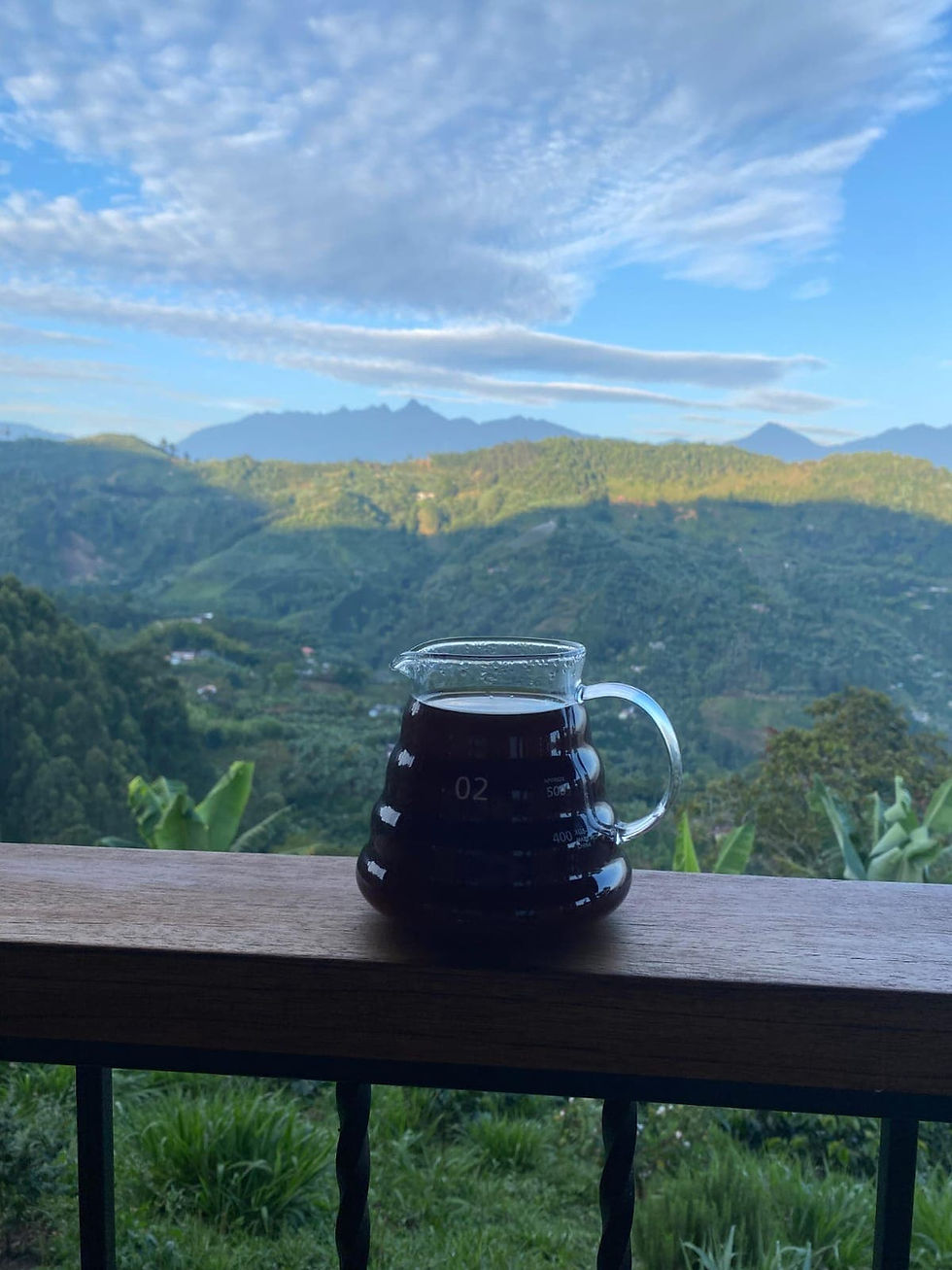
Jardin is characterized by geography uniquely suited for ultra-premium coffee cultivation. The municipal topography features sweeping valleys and steep mountain ridges rising between 1,700 and 2,100 meters above sea level. This extreme elevation creates a vital microclimatic effect: warm daytime sun coupled with cool nocturnal thermal currents dropping from the high Andean peaks. This temperature variance slows the development of the coffee cherry, enabling the plant to concentrate complex organic acids and sugars within the seed. The resulting harvest delivers the crisp acidity, heavy body, and distinctive fruit-and-chocolate notes that specialty roasters across North America, Europe, and Asia demand.
Additionally, the rich soil profile of Jardin, heavily enriched by historic volcanic ash deposits, provides optimal drainage and a high density of natural minerals. This reduces the dependency on artificial chemical fertilizers, aligning the land perfectly with global organic certification frameworks.
Crucially, the region's asset valuation is being accelerated by the completion of the national Fourth
Generation (4G) highway network. Projects such as Pacifico 1 and Pacifico 2 have completely remodeled the transport logistics of Southwest Antioquia. Massive tunnel systems and multi-lane viaducts have bypassed treacherous mountain passes, linking the peaceful valleys of Jardin directly to the industrial and logistical centers of Medellin and its international airport. This infrastructure breakthrough drastically cuts transport times for green coffee exports and simplifies access for affluent international travelers, driving up the commercial value of nearby ColombianLandForSale.
Detailed Framework for Buying Property in Colombia
Acquiring a specialized agricultural asset in an emerging market demands strict execution of legal and financial protocols. To ensure absolute title security and regulatory compliance, buyers must follow a methodical transaction path.
Executing the Title Review (Estudio de Titulos)
The primary step in any land transaction is a rigorous legal title review. This process involves extracting and auditing the Certificado de Tradicion y Libertad, the definitive ledger issued by the Office of Public Instruments. This document details every legal action, ownership transfer, mortgage, court order, or family inheritance claim tied to the parcel over a minimum history of thirty years. A specialized real estate attorney must cross-reference this history to verify that all previous transactions were executed cleanly and that the seller holds unencumbered title rights.
Boundary Verification and Topographical Auditing
In older rural deeds throughout Colombia, land dimensions were frequently registered using natural landmarks rather than precise modern coordinates. When purchasing a plantation, it is necessary to hire a certified topographer to map the terrain using GPS systems. This precise boundary data is then matched against the files of the Agustín Codazzi Geographical Institute (IGAC) to confirm the exact acreage and prevent boundary friction with neighboring estates.
Managing Environmental Regulations and Water Rights
A high-capacity wet-processing facility requires substantial, consistent water volumes. Buyers must verify that the property holds active, legally binding water concessions (concesiones de agua) approved by regional environmental regulators like Corantioquia. Furthermore, the property must be checked against local land-use blueprints (Plan de Ordenamiento Territorial) to ensure that agricultural infrastructure does not overlap with protected cloud forests or watershed conservation zones.
Currency Monetization and Central Bank Compliance
Colombia maintains clear, strict foreign exchange controls designed to prevent illicit capital flows. Every dollar or euro brought into the country to fund a land purchase must pass through an authorized financial institution acting as a Market Intermediary. During the currency conversion process, the buyer must file a formal declaration of foreign investment, utilizing Form Number 4.
This filing officially registers your capital inflow with the Central Bank (Banco de la Republica), tying the funds directly to your identity and the property's specific registration number. Completing this step protects your future financial rights, granting an unconditioned legal path to repatriate your capital and all eventual profits back into global hard currencies.
Structural Anatomy of a Specialty Coffee Farm
A high-performance estate is an intricate industrial operation that requires a harmonious balance of natural elements and processing technology. When looking through premium listings for CoffeeFarmsInColombiaForSale, buyers should assess several key infrastructure components.
Cultivated Varietals and Crop Diversity
The long-term resilience of a farm depends on its plant genetics. Leading estates maintain a calculated selection of high-yielding, rust-resistant cultivars developed by the National Coffee Research Center (Cenicafé), such as Castillo, Cenicafé 1, and Tabi. To maximize revenue density, forward-thinking operators interplant these sturdy varieties with high-value exotic micro-lots, including Geisha, Pink Bourbon, and Chiroso—a unique varietal that thrives exceptionally well in the cold mountain climate of Antioquia, commanding extraordinary premiums at international coffee auctions.
Processing Infrastructure (El Beneficiadero)
The post-harvest processing phase is where the final quality profile of the coffee is determined. Premium farms feature advanced wet mills (beneficiaderos) equipped with eco-depulpers that remove the outer skin using minimal water. The facility should include stainless steel fermentation tanks and specialized water channeling systems to manage wastewater safely, maintaining the estate’s environmental health.
[ HARVEST ] ---> [ ECO-DEPULPING ] ---> [ ECO-FERMENTATION ] ---> [ SOLAR DRYING ] ---> [ EXPORT PREP ]
  Hand-Picked      Minimal Water           Stainless Steel          Parabolic Domes         Moisture-Stabilized
  Ripe Only        Skin Removal            Controlled Tanks         Moisture to 11%         Boutique Sacks
Drying Frameworks
Moisture management is key to preventing crop spoilage. Farms must be equipped with modern drying setups, such as parabolic solar drying domes or mechanical drying silos (guardiolas) for periods of persistent rain. These systems allow operators to slowly reduce bean moisture to the optimal export window of 10% to 12%, preserving the delicate flavor compounds during storage.
Alternative Income Streams and Land Optimization
The financial strength of a modern coffee estate rests on its ability to generate multiple, non-correlated revenue streams from the same geographic footprint.
Direct-Trade Architecture
By building direct relationships with boutique specialty roasters globally, estate owners completely bypass internal supply chains and regional brokers. This direct-trade approach allows the farm to secure fixed pricing structures based on quality scores rather than being tied to volatile international commodity exchanges.
Agritourism and High-End Eco-Hospitality
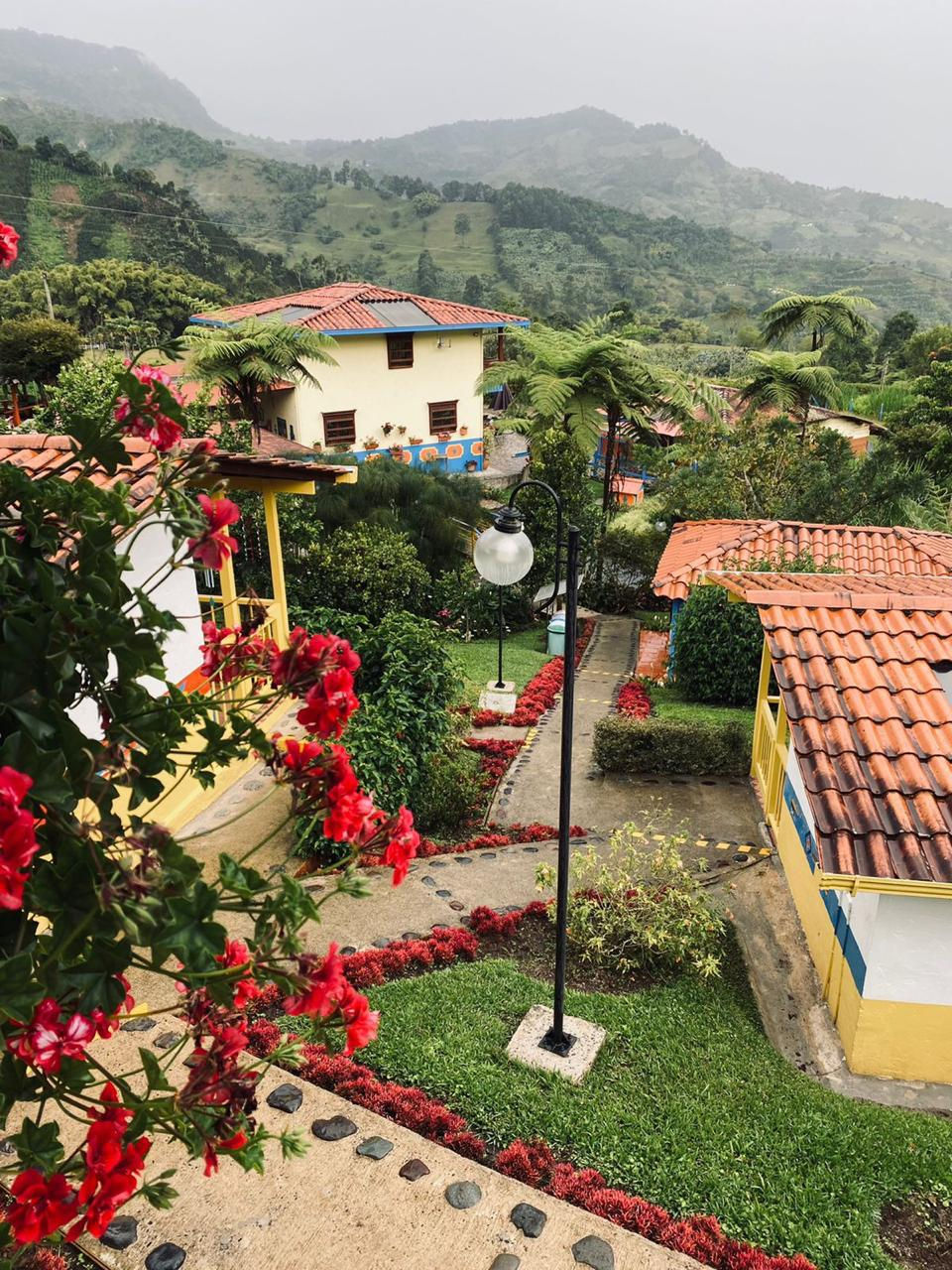
Jardin's beautifully preserved architectural heritage and dramatic landscapes draw premium global travelers. By converting historic, wide-veranda haciendas into luxury eco-resorts, owners can establish a highly profitable hospitality division. Guests pay a premium for immersive, educational bean-to-cup experiences, private cupping sessions, and bird-watching excursions within the farm’s private forest reserves.
Shade Cultivation and Carbon Compensation
Growing coffee under a canopy of native hardwood trees and banana plants protects the crop from intense sun and preserves soil biology. This agroforestry model also allows estates to enter international carbon credit programs, transforming environmental conservation into an independent, steady source of institutional income.
The Value of Institutional Expertise in Southwest Antioquia
Successfully navigating the rural property market in Colombia requires moving past traditional real estate brokerages and passive online portals. The most valuable, generationally held coffee estates in Jardin are rarely listed on public forums; they are traded through deep regional connections, reputation, and technical trust.
Our organization stands as the premier institutional partner for high-level property transactions in the region. We reject high-volume, generic sales models. Instead, we bring analytical precision, expert skills, and deep localized insights to the market. Supported by specialized teams in real estate law, agricultural engineering, and international logistics, we help businesses achieve greater returns by transforming traditional farms into sophisticated commercial entities.
We maintain a curated, exclusive portfolio of premium agricultural land, production-ready coffee estates, and historic colonial structures across Antioquia. Through our dedicated regional platform at jardincolombiarealestate.com, we provide international buyers with a secure, transparent pathway to acquire off-market assets. Our comprehensive outsourced marketing services allow new owners to establish global brand recognition for their coffee or luxury hospitality operations immediately after closing. By providing clear, new perspectives and elite technical execution, we ensure that your capital deployment in Colombia is secure, compliant, and structurally positioned for long-term growth.
Conclusion
Acquiring a premier asset in the category of CoffeeFarmsForSaleColombia represents a sophisticated blend of legacy wealth preservation, commercial utility, and strategic portfolio diversification. As the international demand for elite specialty origins outpaces traditional production limits, high-altitude mountain land in well-connected enclaves like Jardin, Antioquia, offers a truly unique real estate opportunity. By executing thorough legal due diligence, investing in processing technology, and partnering with specialized local experts, international buyers can confidently step into a rewarding role within Colombia’s historic agricultural lineage.
Frequently Asked Questions
Can a foreign citizen completely own agricultural land in Colombia under their own name?
Yes, foreign nationals have full constitutional rights to acquire, hold, and sell rural real estate in Colombia under fee-simple, absolute ownership. There is no requirement to establish local corporate fronts, use nominee owners, or form joint ventures with local partners. A valid international passport is the only documentation required to legally execute a property deed before a public notary.
What is the financial threshold required to obtain a Colombian residency visa through property ownership?
To qualify for a Colombian Investment Visa (Migrante status, Category M-10), the total purchase price officially recorded in the public deed must equal or exceed 350 times the national Minimum Monthly Legal Wage (SMMLV). For the current calendar cycle, the minimum wage is established at 1,750,905 Colombian Pesos. This places the exact minimum investment threshold for residency at 612,816,750 Pesos, which generally equates to approximately 155,000 to 165.000 USD depending on currency exchange variations.
How are day-to-day operations and labor managed on a coffee farm if the owner lives abroad?
Successful international owners utilize a structured local management system. This involves employing an experienced, trustworthy resident farm administrator (mayordomo) who oversees daily field operations and seasonal harvesting teams. Our specialized teams assist foreign owners by sourcing, vetting, and auditing professional agricultural management services, ensuring your investment operates smoothly to international standards regardless of your physical location.
What are the estimated transaction fees and recurring property taxes associated with rural land?
Total transaction fees at closing typically average between 3% and 4% of the sale value, an expense conventionally shared between buyer and seller. This covers notary fees, regional registration taxes, and state stamps. Ongoing annual property taxes (impuesto predial) are calculated on the municipal assessed value and are highly favorable for agricultural land, often coming in below 0.5% per year.
Why is altitude such an important factor when pricing a coffee farm for sale?
Altitude is the primary driver of coffee quality and farm profitability. Plantations situated above 1,700 meters experience cooler average temperatures, which extends the cherry ripening window. This prolonged development cycle infuses the bean with high concentrations of natural sugars and complex acids, allowing the final product to score above the critical 85-point specialty threshold. These high scores translate directly to premium prices in direct-trade global markets.
What safeguards exist to confirm that a rural property has clear water access rights?
Water usage is strictly governed by state environmental authorities. During the due diligence process, your legal team must obtain a formal certificate from the regional entity—such as Corantioquia—confirming that the farm holds active, legal water concessions for both domestic use and agricultural processing. This ensures your farm has a guaranteed, legally protected supply from local mountain springs and rivers.
FarmsForSaleInColombia
Colombia
JardinColombia
InvestInColombia
ColombianCoffeeFarmsForSale
ColombianLandForSale
CoffeeFarmsForSaleColombia
CoffeeFarmForSaleColombia
CoffeeFarmsInColombiaForSale
FincaForSaleColombia
InvestInColombiaRealEstate
BuyingPropertyInColombia


Comments