
Can You Renovate Property in Colombia as a Foreigner?
- Juan Valdez
- 18 hours ago
- 8 min read
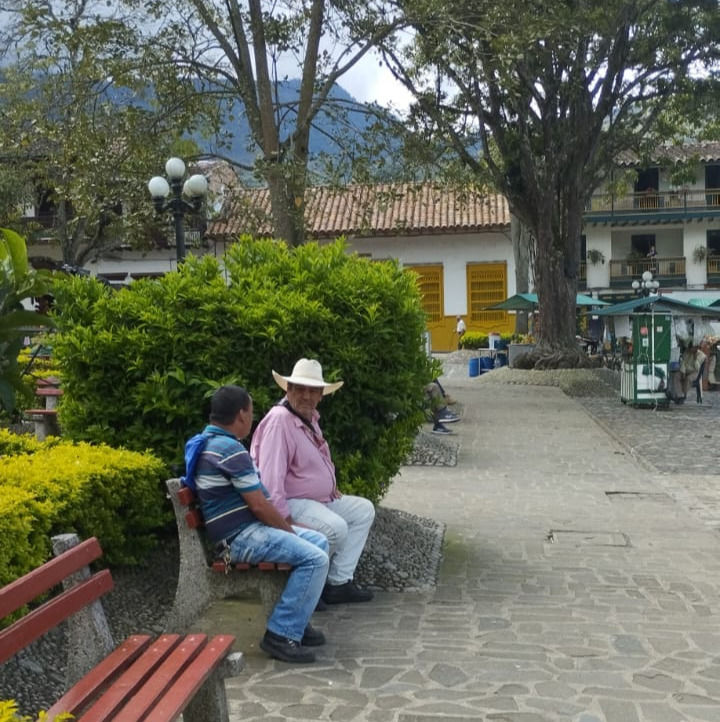
Can You Renovate Property in Colombia as a Foreigner?
Restoring a traditional architectural estate, modernizing an urban apartment, or converting a rural coffee property into an eco-hospitality resort is one of the most fulfilling capital projects an international investor can undertake in South America. The short answer is an unqualified yes: foreign nationals possess the exact same legal rights as Colombian citizens to buy, own, design, and renovate real estate across the country. Colombia’s constitution explicitly guarantees equal private property protections regardless of nationality.
However, translating a creative vision into structural reality in Antioquia requires a deep operational understanding of municipal zoning frameworks, historical preservation guidelines, labor compliance, and rural permitting. As marketing experts and strategic growth partners with specialized teams across the region, we help clients unlock extraordinary value while navigating structural and regulatory landscapes. Through our agency platforms and regional hub at https://www.jardincolombiarealestate.com/, we provide new perspectives, expert skills, and market positioning that empower property owners and commercial brands to achieve greater returns.
Below is a detailed guide on how to successfully plan, permit, manage, and execute a property renovation in Colombia as a foreign investor. Can You Renovate Property in Colombia as a Foreigner?
1. Navigating the Legal Framework: Equal Rights and Key Regulations
While foreign ownership rights are identical to local rights, the regulatory environment governing construction and physical modification is strict. Renovation projects in Colombia are primarily regulated by three legal pillars:
Law 388 of 1997: The national framework establishing land-use planning, municipal master plans, and development guidelines.
Decree 1077 of 2015: The single regulatory decree for the housing and urban sector, outlining construction license types, procedures, and enforcement.
NSR-10 (Norma Sismorresistente): Colombia’s rigorous structural engineering code governing seismic resistance, which applies to all major structural modifications, expansions, and load-bearing redesigns.
Understanding which licenses your specific renovation demands is the first step toward avoiding costly delays, fines, or administrative work-stoppage orders.
2. Deciphering Permits: When Do You Need a Licencia de Construcción?
A common pitfall for international investors is assuming that interior updates require full building permits or, conversely, that major structural overhauls can be done silently without municipal oversight. Colombian law draws a firm line between cosmetic repairs and structural modifications.
Minor Cosmetic Repairs (Reparaciones Locativas)
You do not need a formal construction license for basic cosmetic upgrades. These include:
Interior painting, cabinet replacement, and light fixture installations.
Replacing floor tiles, bathroom fixtures, and non-structural wall finishes.
Repairing existing internal plumbing, electrical, or gas lines without altering main supply connections.
Major Modifications Requiring a Licencia de Construcción
You must secure an official construction license issued either by a local Curaduría Urbana (urban curatorship) or the municipal Secretariat of Planning (Secretaría de Planeación) before executing:
Adecuación: Modifying a building to change its approved usage (for example, converting a private residential home into a boutique hotel or commercial coffee tasting room).
Modificación: Altering the internal architectural or structural layout, removing load-bearing walls, or adding interior mezzanine levels.
Ampliación: Increasing the total built square footage of the structure.
Restauración: Intervening in properties designated as cultural heritage assets.
Reforzamiento Estructural: Retrofitting older buildings to meet modern seismic resistance (NSR-10) standards.
Working on licensed scope without an approved permit can trigger substantial monetary fines and mandatory demolition orders issued by local police inspectors.
3. Heritage Protection and Historic Architecture Guidelines
Colombia takes immense pride in its architectural heritage. Municipalities featuring colonial, Republican, or traditional bahareque and timber architecture enforce strict design controls under their local land-use plans, known as the Plan de Ordenamiento Territorial (POT).
If your target property is classified as a Bien de Interés Cultural (BIC) or falls within a designated historic conservation zone, unique rules apply:
Facade Preservation: Exterior paint colors, window frame materials, clay roof tiles, and carved wooden balconies must conform to historical guidelines.
PEMP Compliance: Properties classified under a Special Management and Protection Plan (PEMP) require specialized restoration licenses approved by municipal cultural heritage committees or the national Ministry of Culture.
Material Integrity: Renovation work often requires traditional building techniques—such as tapia pisada (rammed earth) or bahareque—combined with hidden structural reinforcement using specialized timber or treated steel.
Navigating heritage approvals requires working alongside licensed Colombian architects who specialize in historic restoration and understand local heritage committee expectations.
4. Renovation Dynamics for Rural Estates and Coffee Holdings
Renovating agricultural properties—such as scenic acreage, working estates, or rural retreats—presents a different set of opportunities and regulatory steps than urban apartment remodeling.
When renovating a rural property, such as #FarmsForSaleInColombia, #ColombianCoffeeFarmsForSale, #ColombianLandForSale, #CoffeeFarmsForSaleColombia, #CoffeeFarmForSaleColombia, #CoffeeFarmsInColombiaForSale, or a rural #FincaForSaleColombia, pay close attention to:
Environmental Permits (Corantioquia): Any renovation or extension that affects natural water sources, requires new septic systems (pozos sépticos), or involves clearing native trees requires approval from the regional environmental authority.
Public Utility Connections: Verifying that existing electrical capacity and rural water aqueducts (acueductos veredales) can support your expanded residential or processing needs.
Topography and Geotechnical Surveys: Rural hillside construction requires professional soil testing (estudios de suelos) and retaining wall engineering to ensure long-term stability during heavy rain seasons.
Agricultural Processing Infrastructure: Modernizing wet mills (beneficiaderos), drying beds (elvas), or storage facilities requires balancing agricultural functionality with modern eco-tourism aesthetic standards.
5. Assembling Your On-Site Execution Team
The success of your renovation depends heavily on the quality, reliability, and legal standing of your local execution team. Managing a project remotely or without bilingual technical oversight is a frequent recipe for budget overruns.
Essential team roles include:
Licensed Architect/Engineer: Must hold an active professional license (Matrícula Profesional) in Colombia to sign and submit architectural plans to the Curaduría Urbana.
Project Manager (Director de Obra): An independent engineer or master builder who oversees daily site operations, material deliveries, quality control, and schedule adherence.
Contractor (Maestro de Obra): The lead builder managing tradespeople. Always hire based on verified local references, past project site visits, and clear written contracts.
6. Labor Laws, Social Security, and Worker Health Compliance
One of the greatest financial risks foreign property owners face in Colombia is non-compliance with local labor regulations. In Colombia, casual "under-the-table" daily cash payments to construction workers create massive legal liabilities.
Key labor compliance requirements include:
SG-SST (Sistema de Gestión de la Seguridad y Salud en el Trabajo): National workplace health and safety rules requiring proper protective equipment, fall arrest gear for roof work, and formal site risk assessments.
Social Security Enrollment: Every worker on your site—whether full-time, part-time, or specialized trade subcontractors—must be actively enrolled in health insurance (EPS), pension funds (AFP), and workplace risk insurance (ARL).
Workplace Risk Category (ARL Nivel 5): Construction activities fall under the highest risk category. If an unregistered worker is injured on your property, the property owner can be held directly liable for medical bills, disability payouts, and substantial labor ministry fines.
To mitigate this risk, execute a formal fixed-price or cost-plus contract with a registered construction firm that assumes full employer liability for all site personnel.
7. Budgeting, Procurement, and Financial Management
Material pricing and labor rates in Colombia are generally very attractive compared to European or North American standards, allowing foreign investors to achieve exceptional quality at reasonable price points. However, disciplined financial management remains essential.
Smart financial practices include:
Contingency Buffer: Always set aside a fifteen to twenty-five percent contingency budget, particularly when restoring older traditional structures where hidden structural damage, outdated wiring, or moisture issues may only appear after demolition begins.
Staged Milestone Payments: Never pay contractors 100 percent upfront. Structure payments into milestone installments tied to verifiable physical completion stages audited by your architect or project manager.
Official Invoicing (Factura Electrónica): Ensure all material purchases and professional fees are backed by official electronic invoices registered with DIAN (the national tax authority). This creates a clear legal paper trail that can be added to your property’s cost basis, reducing capital gains taxes when you eventually sell.
Central Bank Foreign Exchange Registration: Ensure all foreign capital imported to fund the acquisition and renovation is properly registered via Form 4 (Declaración de Cambio) with Banco de la República. This guarantees your legal right to repatriate profits or capital in the future.
Strategic Opportunities in Prime Regional Destinations
Antioquia’s southwestern corridor continues to capture international attention as a premier hub for investment, lifestyle relocations, and boutique agricultural tourism. Towns characterized by vibrant traditional architecture, pristine natural settings, and world-class coffee culture offer extraordinary value for buyers seeking unique transformation projects.
Key investment catalysts in the region include:
Growing demand for high-end boutique lodgings, wellness retreats, and eco-resorts.
Strong domestic and international tourism growth driving high occupancy rates for premium restored properties.
Outstanding agricultural microclimates ideal for specialty coffee production and sustainable land stewardship.
Continuous infrastructure improvements expanding accessibility from regional airport hubs.
Realizing Your Property Vision with Local Expertise
Navigating acquisitions, permitting, and market positioning requires a partner who understands both the local landscape and global investor expectations. Our agency platforms connect buyers with exceptional opportunities while supplying the specialized marketing, branding, and strategic positioning necessary to maximize asset performance.
To explore handpicked properties, traditional estates, and scenic acreage across southwestern Antioquia, discover our listings and specialized regional services at https://www.jardincolombiarealestate.com/.
Whether your goal is restoring a historic home, establishing a specialty coffee farm, or acquiring development acreage, our team provides the guidance needed to make confident decisions in top regional destinations:
Conclusion
Renovating property in Colombia as a foreigner is a fully legal, highly achievable, and financially rewarding endeavor when approached with the right strategy. By securing appropriate construction licenses, respecting local heritage guidelines, contracting qualified licensed professionals, enforcing strict labor and social security compliance, and keeping accurate financial records, you eliminate risk and protect your investment.
With sound planning and strong local partners, transforming a property in Colombia allows you to build lasting equity, create exceptional lifestyle assets, and participate directly in the dynamic growth of one of Latin America's most captivating real estate markets.
Frequently Asked Questions
Can a foreign citizen legally obtain a building permit in Colombia?
Yes. Foreign nationals holding valid ownership titles registered in the Office of Public Instruments have the exact same right as Colombian citizens to apply for and receive construction licenses (licencias de construcción) from local Curadurías Urbanas or municipal planning offices.
Do I need a permit to replace kitchens, bathrooms, or interior flooring?
No. Minor maintenance and aesthetic updates, known as reparaciones locativas, do not require a formal building license as long as you are not altering load-bearing walls, expanding total built area, or modifying the building's structural footprint.
How long does it take to get a construction license in Colombia?
Depending on the municipality, the complexity of the project, and whether the property is in a historical zone, the licensing review process typically takes between two and five months from the date of formal submission.
Can I manage a renovation project in Colombia on a tourist visa?
Yes. You can legally purchase real estate, hire architects, apply for permits, and oversee renovation projects while visiting Colombia on a standard tourist entry permit. However, executing physical labor yourself without a proper work visa is not permitted.
What are the consequences of renovating without a permit?
Executing major structural modifications, expansions, or usage changes without an approved license can result in administrative fines ranging from dozens to hundreds of monthly minimum wages, immediate police-ordered site shutdowns, and potential demolition orders for unauthorized structures.
How do I ensure my renovation costs reduce my future capital gains tax?
Keep all official electronic invoices (facturas electrónicas) issued under your name and tax ID (RUT) for professional fees, labor contracts, and building materials. These documented expenses can be legally added to your property’s tax basis upon resale, significantly lowering your taxable gain.


Comments